When the Taps Run Dry
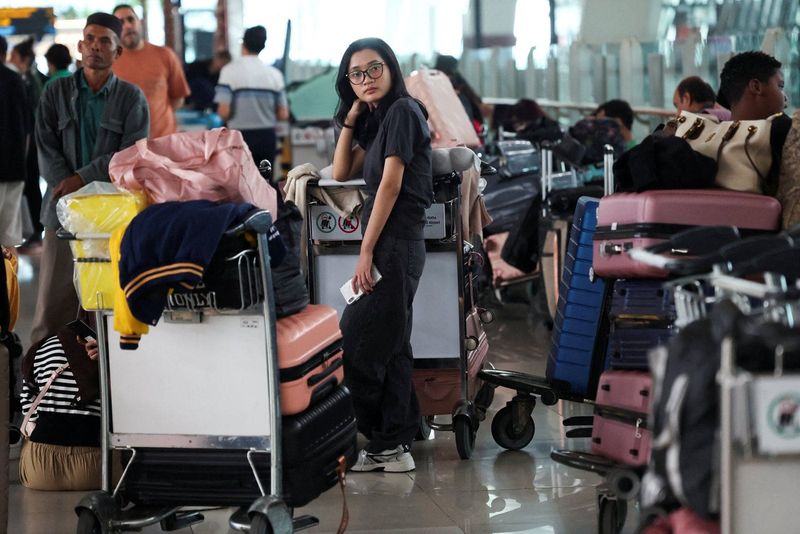
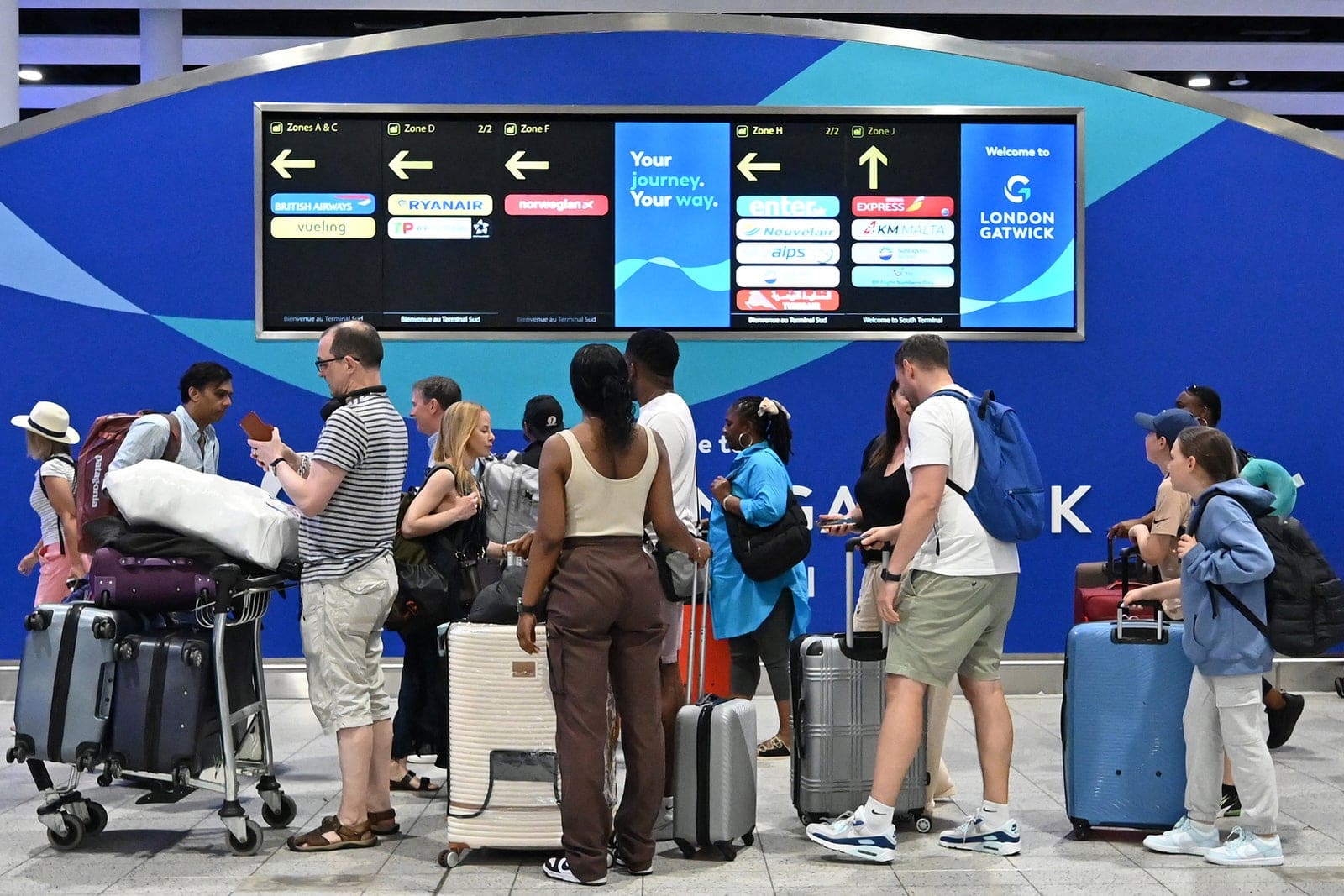
Passengers at Gatwick Airport found themselves navigating an unexpected challenge this week: an airport with no running water. The outage, caused by a problem at a regional water treatment facility, shut down toilets, hand-washing stations, and beverage services across both of the airport's terminals. While flights continued to operate, travelers faced hours without basic amenities, sitting on terminal floors when closed restaurants left them nowhere else to go.
The disruption began early in the morning when SES Water, the utility serving the airport and surrounding areas in Kent and Sussex, reported an issue at its Bough Beech Water Treatment Works. Customers in the region experienced either low pressure or complete loss of supply. At Gatwick, the effect was immediate and total.
Bottled Water and Closed Cafés
Airport management distributed bottled water to passengers and staff while working to address the situation. But the lack of running water meant more than just thirst. Coffee shops and restaurants couldn't operate. Water fountains stood useless. Toilets couldn't be flushed, and sinks offered no way to wash hands, a particularly uncomfortable situation in a space that sees tens of thousands of people pass through daily.
Travelers took to social media to document the chaos. One described the scene as families sitting on the floor because closed food outlets had locked away their seating. Another noted the absence of any public announcement from the airport, leaving many passengers confused about what was happening and how long it might last.
A Regional Problem With Airport-Sized Consequences
SES Water confirmed it was prioritizing delivery of bottled water to vulnerable customers on its Priority Services Register, those who depend on consistent supply for medical or mobility reasons. The company apologized for the disruption but offered no timeline for when normal service would resume.
For Gatwick, the timing was awkward. The airport handled over 40 million passengers in 2024, making it Europe's tenth-busiest hub by passenger traffic. It's a critical link for both leisure and business travelers, and any disruption, even one that doesn't ground flights, ripples outward. Passengers connecting through Gatwick faced hours in limbo, unable to grab a meal or even refill a reusable bottle.
What It Means for Airport Resilience
The incident raises questions about how dependent major travel hubs are on external infrastructure. Airports operate as self-contained cities, but they still rely on regional utilities for water, power, and waste management. When those systems fail, even for a few hours, the impact is immediate and visible.
Gatwick isn't alone in facing infrastructure vulnerabilities. Airports around the world have dealt with power outages, internet failures, and supply chain breakdowns that strand passengers or force cancellations. The difference here is that flights kept moving. The crisis was one of comfort and hygiene, not safety or schedule. But for travelers already navigating the stress of air travel, the inability to access a working restroom or a cup of coffee is more than a minor inconvenience.
What Passengers Can Expect
Gatwick assured travelers that contingency measures were in place to protect passenger welfare, though it didn't specify what those measures entailed beyond distributing bottled water. The airport apologized for the inconvenience but provided few details about how long the outage might last or what steps were being taken to prevent a similar situation in the future.
For anyone traveling through Gatwick in the coming days, the incident serves as a reminder to carry a refillable water bottle, pack snacks, and perhaps lower expectations for on-site services. Major airports are complex operations, but they're not immune to the same infrastructure failures that affect the rest of us. When the water stops flowing, even the busiest hub in the country can feel surprisingly fragile.