The Decision
Gatwick's expansion has overcome its last major legal obstacle. The Court of Appeal rejected a challenge from campaigner Peter Barclay and Communities Against Gatwick Noise Emissions (Cagne) on Tuesday, closing the door on their attempt to block the development on climate grounds.
Lord Justice Holgate and Lord Justice Dove concluded that each argument raised by the appellants was "unarguable," writing in their 29-page ruling that neither appeal had "a real prospect of success" nor presented "compelling reasons" to be heard. The judges also praised the earlier High Court ruling as "detailed and thorough."
The decision removes the final barrier to a project that will reshape operations at one of Europe's busiest single-runway airports.
What Changes
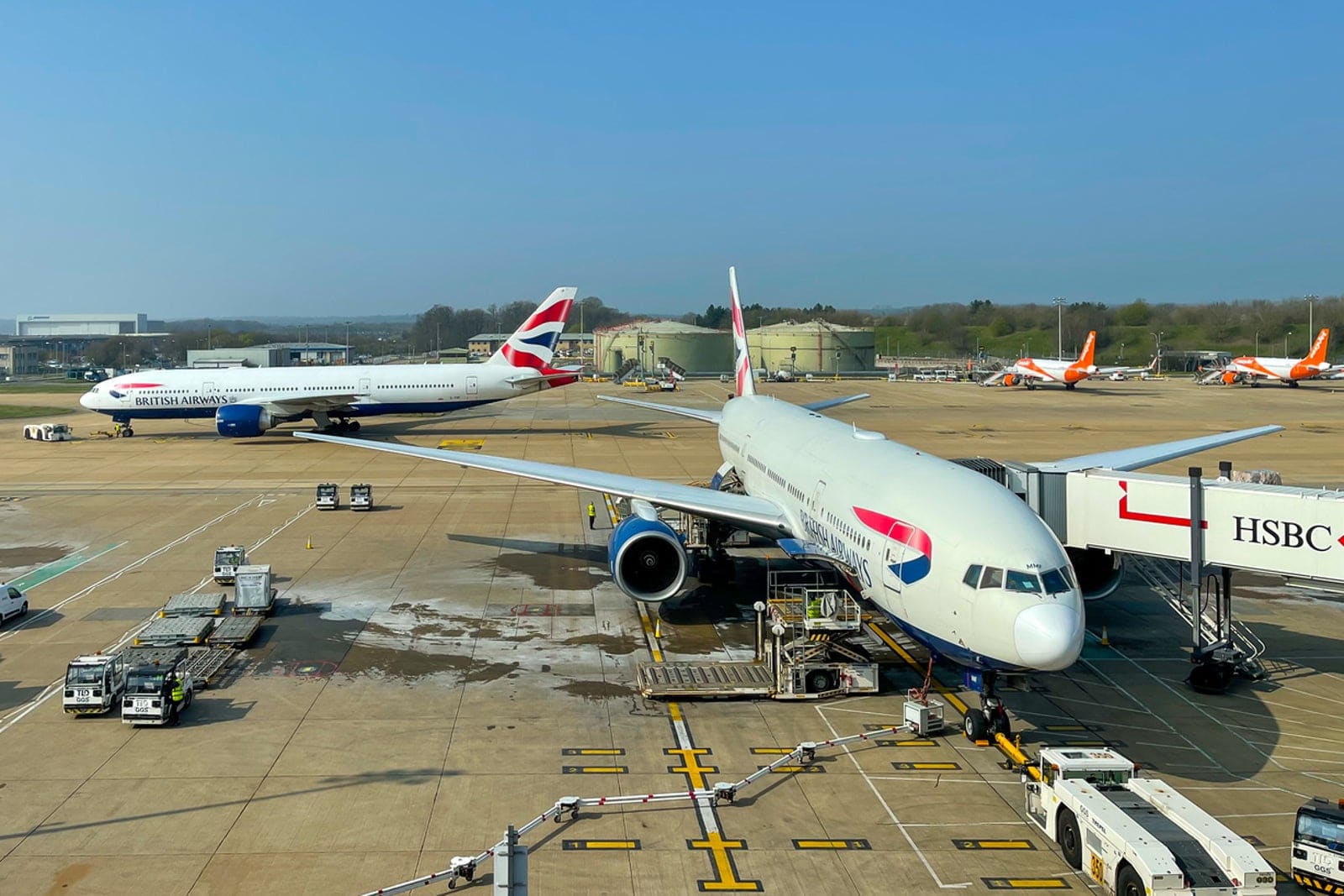
The £2.2 billion project, approved by Transport Secretary Heidi Alexander in September, centers on a seemingly modest physical change with outsized operational implications. Gatwick will shift its existing emergency runway 12 meters north, allowing it to function as a departure strip for narrow-body aircraft like the Airbus A320 and Boeing 737.
That reconfiguration will enable approximately 100,000 additional flights each year, with capacity expected to come online in 2030. The expansion will also accommodate roughly 13 million more passengers annually, significantly increasing the airport's throughput without the complexity of constructing an entirely new runway from scratch.
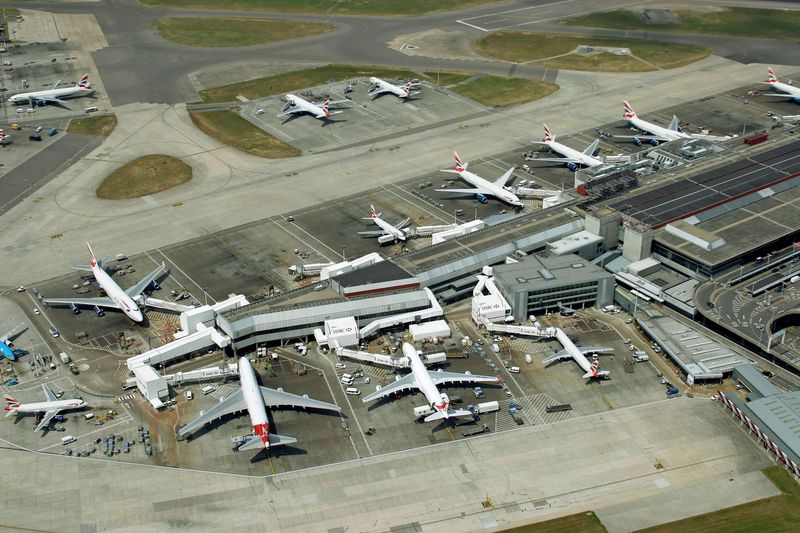
Gatwick currently ranks as the UK's second-busiest airport and operates one of the world's most intensively used single runways. The move to dual-runway operations represents a fundamental shift in how the facility manages air traffic.
The Climate Argument
Opponents centered their legal strategy on climate impact, arguing that the government failed to properly assess whether the expansion would undermine national carbon reduction targets. In June, Mr Justice Mould dismissed that argument at the High Court, ruling it was "neither illogical nor contradictory" for the Transport Secretary to approve the project despite its emissions footprint.
The judge also rejected claims that the expansion was unnecessary given Gatwick's proximity to Heathrow, a point campaigners hoped would strengthen their case by suggesting excess capacity already existed in the region.
The Court of Appeal's refusal to revisit those findings effectively validates the government's position that economic growth and aviation expansion can coexist with climate commitments, at least within current policy frameworks.
Economic Stakes
Transport Secretary Heidi Alexander called the ruling "a major milestone for Gatwick and for local communities," emphasizing job creation and investment. According to Alexander, the expansion will generate thousands of new jobs and strengthen the UK's global connectivity, making the country "one of the most attractive places in the world to invest."
The government has committed over £219 million toward sustainable aviation fuel production, framing the investment as a hedge against the emissions growth that will accompany increased flight activity. Whether that offset proves sufficient remains a point of debate, but it signals an attempt to reconcile expansion with decarbonization goals.
For airlines and passengers, the expansion promises greater schedule flexibility and potentially more competitive fares on short- and medium-haul routes, particularly to European and North African destinations that dominate Gatwick's traffic mix.
What Comes Next
With legal challenges exhausted, Gatwick can now proceed with detailed engineering and construction planning. The 2030 target for operational readiness gives the airport roughly four years to complete the runway shift, upgrade taxiway infrastructure, and secure regulatory approvals for dual-runway operations.
Local residents and environmental groups are unlikely to withdraw entirely from the debate. While the courts have closed the door on legal remedies, public pressure around noise, air quality, and emissions will likely persist as construction advances.
The outcome also sets a precedent for other UK airports weighing expansion. If Gatwick can navigate environmental scrutiny and deliver on its carbon commitments, it may embolden similar projects elsewhere. If emissions targets slip or community opposition intensifies, the political calculus could shift quickly.
For now, Gatwick has cleared the path to becoming a genuine two-runway airport, a milestone decades in the making and one that will reshape travel patterns across southern England.