Closures Follow Weekend Disaster
Grand Canyon National Park has shut down overnight guest lodging across its South Rim area for an indefinite period after flash floods killed two people and caused extensive damage to park infrastructure on 29 August. The closures, which took effect on 31 August, affect every major hotel and lodge operated by Xanterra and Delaware North, including El Tovar, Bright Angel Lodge, Maswik Lodge, Phantom Ranch, Yavapai Lodge, and Trailer Village.
The park remains open for day visits, but the loss of overnight capacity represents a significant disruption to one of America's most visited national parks, which typically hosts more than five million visitors annually.
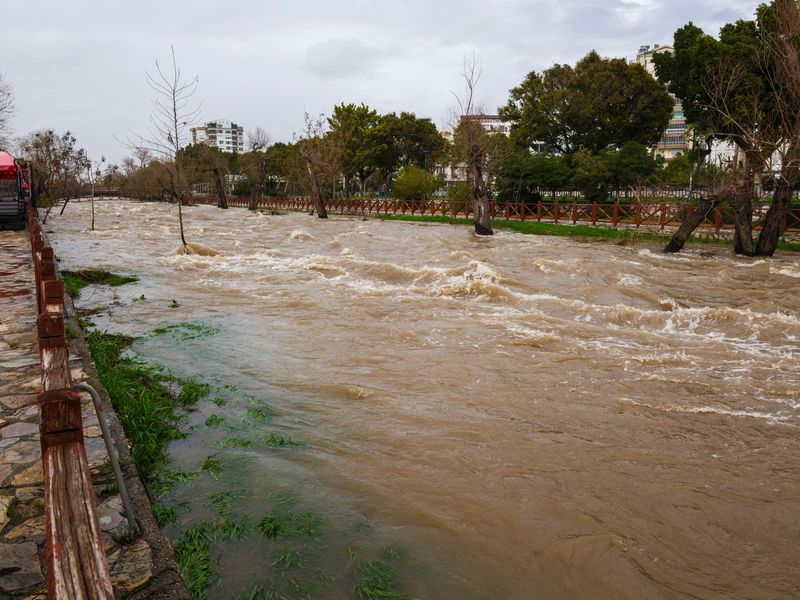
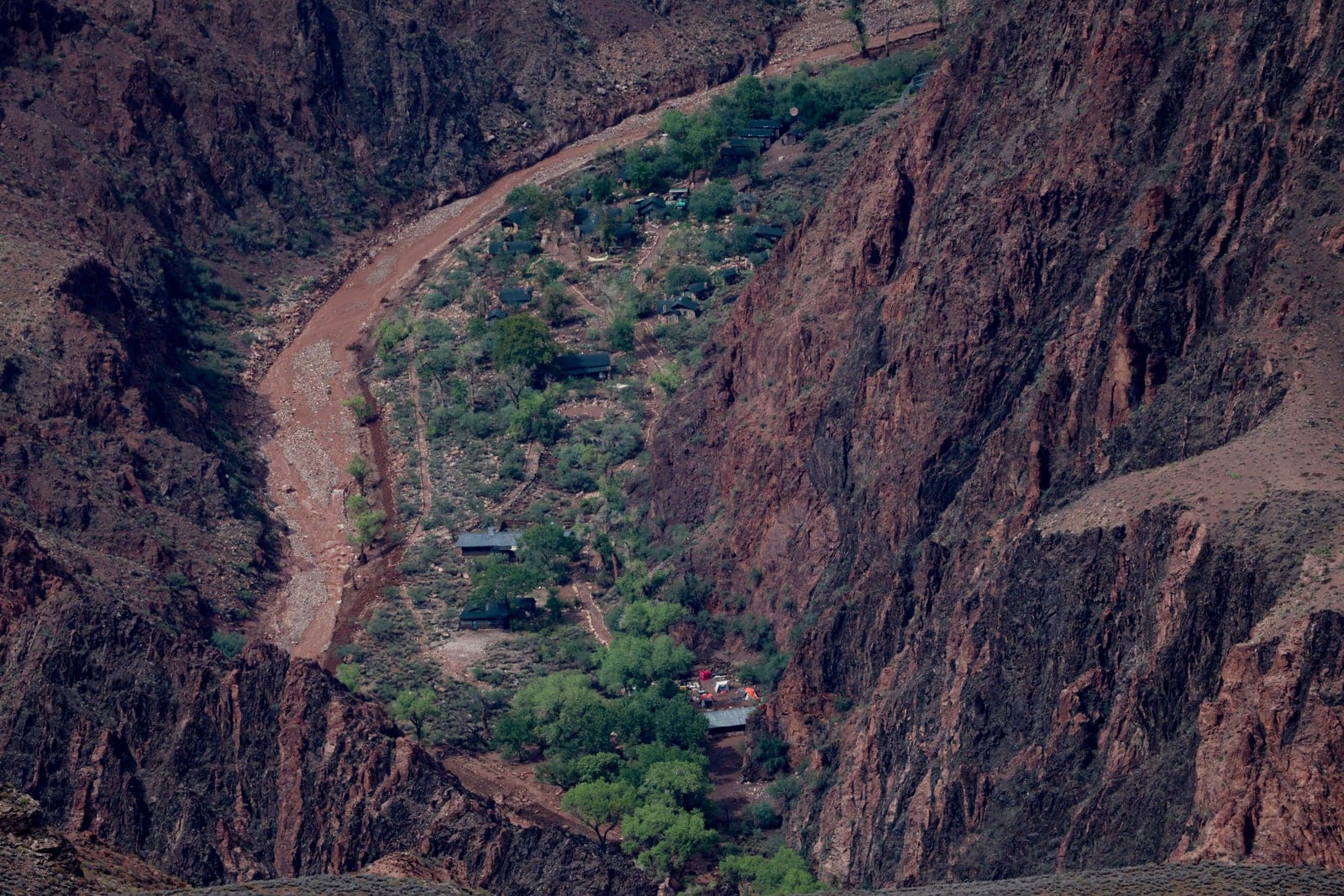
Flash flooding swept through Bright Angel Canyon and the Phantom Ranch area at around 2:30 PM on Saturday. More than 60 people were evacuated from Phantom Ranch and the lower North Kaibab Trail as water surged through the canyon. Bright Angel Canyon is home to one of the park's most popular hiking routes, descending nearly 5,000 feet from the South Rim to the Colorado River.
Water Crisis Compounds Closures
The flooding damaged the Transcanyon Waterline, a critical piece of infrastructure that supplies water across the park. The National Park Service has implemented stage four water restrictions, the most severe level, leaving the park operating on limited reserves.
Visitors and residents are being asked to limit showers to five minutes or less, turn off taps while brushing teeth or shaving, flush toilets selectively, and run washing machines only with full loads. Bathroom faucets remain operational at South Rim campgrounds, but all fires have been prohibited.
The park has authorized dry camping, a form of overnight stay without water or electrical hookups, to provide some accommodation options while infrastructure is repaired. The restrictions underscore how dependent the park's operations are on a single water pipeline traversing rugged terrain.
River Traffic Halted
The National Park Service has also closed the Colorado River to all traffic until further notice. Metal structures and debris entered the river during the flooding, creating hazards for rafters and commercial outfitters. Visitors with upcoming river trips have been directed to contact their commercial operators or the NPS River Permits office for trip-specific guidance.
River running through the Grand Canyon is a major draw, with thousands of people navigating the 277-mile stretch each year on multi-day expeditions. The closure affects both private permit holders and commercial rafting companies that operate under park concessions.
Ongoing Weather Threat
The park has warned that additional thunderstorms and heavy rainfall remain possible in the coming days, raising the risk of further flash flooding, debris flows, rockfall, and changing conditions on trails and the river. Monsoon season in northern Arizona typically runs from mid-June through September, bringing intense, localized storms that can turn dry washes into torrents within minutes.
Flash floods are a recurring hazard in the Grand Canyon, where steep terrain and impermeable rock layers funnel rainfall into narrow channels with little warning. The park's topography makes it particularly vulnerable; water that falls on the rim can reach the canyon floor in a matter of minutes during heavy storms.
What It Means for Visitors
Anyone with reservations at South Rim lodges should contact their booking provider directly. The park has not provided a timeline for when overnight accommodations might reopen, citing the need to assess damage and restore water capacity.
Day visitors can still enter the park, but should prepare for limited services and bring sufficient water. The closure of overnight lodging may push some visitors to seek accommodation in gateway towns such as Tusayan, Williams, or Flagstaff, though availability during peak season can be tight.
The incident highlights the fragility of infrastructure in remote, high-traffic national parks. Repairing the Transcanyon Waterline has historically been a complex and costly endeavor; the pipeline, which crosses the canyon multiple times, is more than 50 years old and has experienced repeated failures over the past decade.
For now, the Grand Canyon remains accessible for those willing to visit without staying overnight, but the closures serve as a reminder of how quickly natural forces can reshape access to even the most iconic destinations.