The End of an Era
A ferry that has become part of the fabric of island life in Britain's southwest will complete its final season this November. The Scillonian III has spent nearly five decades carrying passengers across the 28 miles separating Cornwall from the Isles of Scilly, a subtropical archipelago that feels more remote than its two-hour-45-minute journey might suggest.
The vessel has been a reliable, if sometimes uncomfortable, link to St Mary's, the largest island in the chain. For locals and visitors alike, the sight of the Scillonian arriving has long signaled connection to the mainland - supplies, family visits, the start or end of holidays. But age and changing expectations have caught up with the ship, and the Isles of Scilly Steamship Group is investing £40 million in a replacement.
What the New Ferry Brings
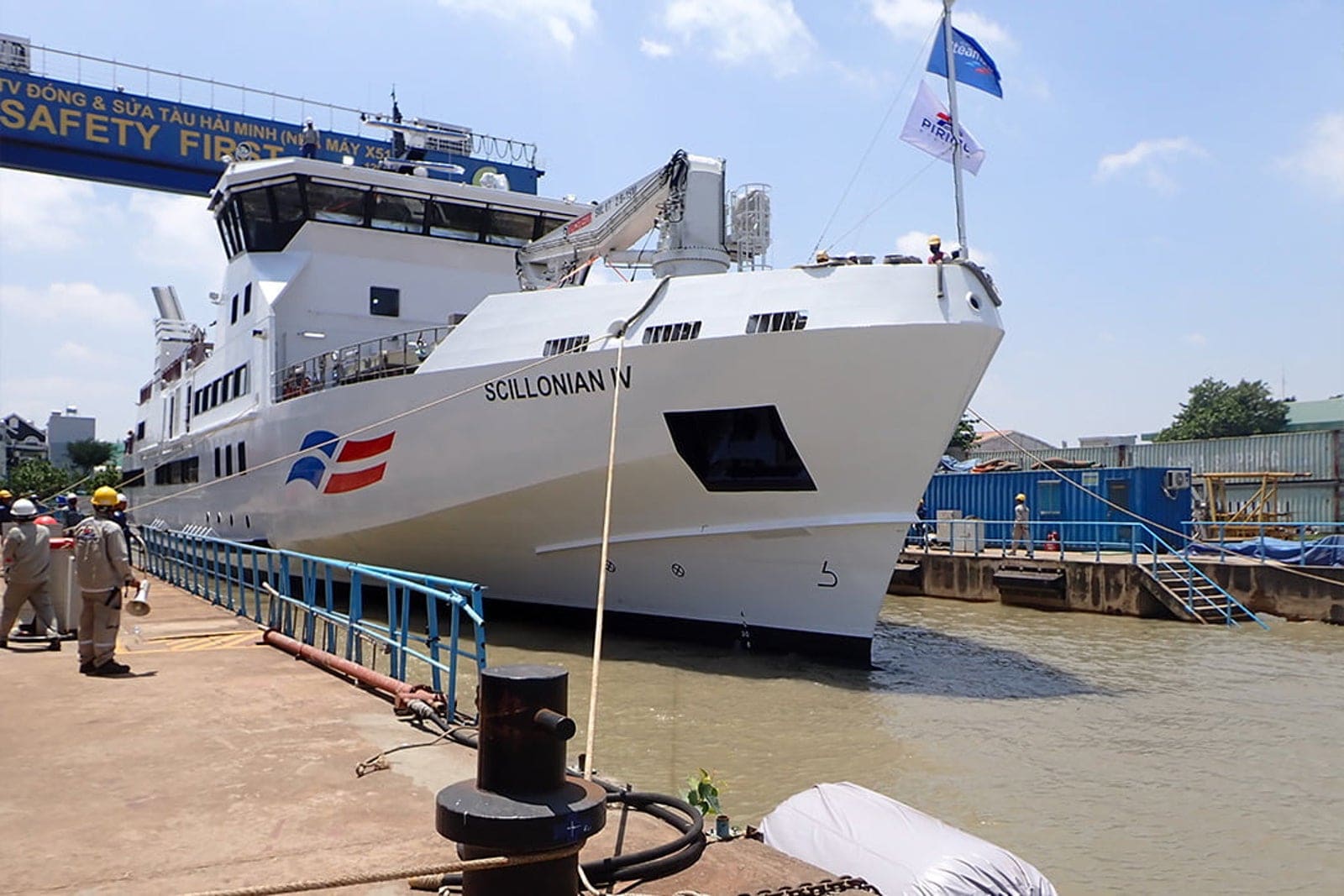
The Scillonian IV, now undergoing sea trials off the coast of Vietnam, is a 72-meter vessel built to carry 600 passengers - 115 more than its predecessor. The additional capacity is spread across three decks, with a layout that includes an onboard coffee shop and retail space, amenities the current ship lacks.
But the real upgrade is beneath the waterline. The new ferry incorporates what the operator calls "roll and pitch reduction systems," technology aimed at addressing the single biggest complaint about the crossing: motion sickness. The stretch of water between Penzance and the Isles of Scilly is notorious for its rough conditions, where Atlantic currents collide and create a churning ride that can leave even seasoned travelers feeling queasy.
Hull vane technology and active roll-fin stabilizers - neither of which the Scillonian III possesses - are designed to smooth out the worst of the movement. Whether they can fully tame the crossing remains to be seen, but the promise of a calmer journey is likely to be welcomed by anyone who has spent the trip gripping a railing or staring at the horizon.
More Than Just a Boat
For the islands, the ferry is infrastructure. The Scillonians rely on it for goods, services, and access to the mainland in a way that makes it more than a tourist vessel. A more efficient ship matters not just for comfort but for the economic health of a community that depends on tourism yet remains geographically isolated.
According to Sam Hicks, a board member of the Isles of Scilly Steamship Group, the new vessel represents confidence in the future of the islands. Improved seating, air conditioning, better sound insulation, and larger windows are all part of the package. The goal is to reduce journey times slightly while making the experience less of an endurance test.
The 75-meter-long Scillonian IV is expected to begin service in March 2027, once it completes its voyage from Southeast Asia to the UK. That gives the current ferry one last season to complete before retirement, a final set of crossings for a ship that has weathered decades of Atlantic swells and become a fixture of the route.
A Smoother Future
The Scillonian III will leave behind a legacy of reliability, but also a reputation for being a challenging ride. The new vessel is a bet that better technology and increased capacity can make the islands more accessible without sacrificing the character of the journey.
For now, the old ferry continues its work, carrying passengers through the summer and into autumn. Come November, it will dock for the last time, making way for a successor that promises to deliver something the Scillonian III never quite could: a smooth passage to the edge of England.