Testing Across Borders
Trenitalia has started running test services with its Frecciarossa high-speed trains in Germany and Austria, laying the groundwork for two new cross-border routes. The Italian operator is working with Deutsche Bahn and Austrian Federal Railways to prepare for commercial launch next summer.
The Milan to Munich service will take around six and a half hours, stopping at Brescia, Verona, Rovereto, Trento, Bolzano and Innsbruck along the way. The Rome to Munich route will add roughly two hours, calling at Florence and Bologna before joining the same path from Verona northward. Both routes will start with four daily connections when they begin service in summer 2027, according to Trenitalia.
Passengers will cross the Alps via the Brenner Pass, with Innsbruck emerging as a key interchange point for the new network. The journey offers a ground-level alternative to short-haul flights, with views of Alpine terrain that air travellers miss entirely.
Technical Adaptation
Running Italian trains on German and Austrian tracks requires more than a timetable. Trenitalia and Deutsche Bahn have developed joint training programmes for drivers from both countries, adapting crews to different power supply standards and signalling systems across the three nations.
The Frecciarossa 1000 was built with this kind of flexibility in mind. The train can operate on the rail networks of Italy, France, Germany, Spain, Switzerland, the Netherlands and Belgium without requiring passengers to change trains at borders, a design choice that distinguishes it from older rolling stock still common across Europe.
That interoperability will become more valuable as Trenitalia expands. The operator has announced plans to increase services between Italy and Germany starting in December 2028, raising the number of daily connections to ten and extending routes south to Naples and north to Berlin. Ferrovie dello Stato, Trenitalia's parent company, has also signalled interest in serving Frankfurt and Krakow, though no firm dates have been set.
The Brenner Tunnel Factor
Journey times on the new routes are expected to drop significantly once the Brenner Base Tunnel opens. The tunnel, currently scheduled for completion in 2032, will cut roughly an hour off travel between Italy and Germany by removing the need to climb over the existing mountain pass. Some reports suggest the opening may slip to 2034, but either way, the infrastructure will reshape the economics of rail travel in the region.
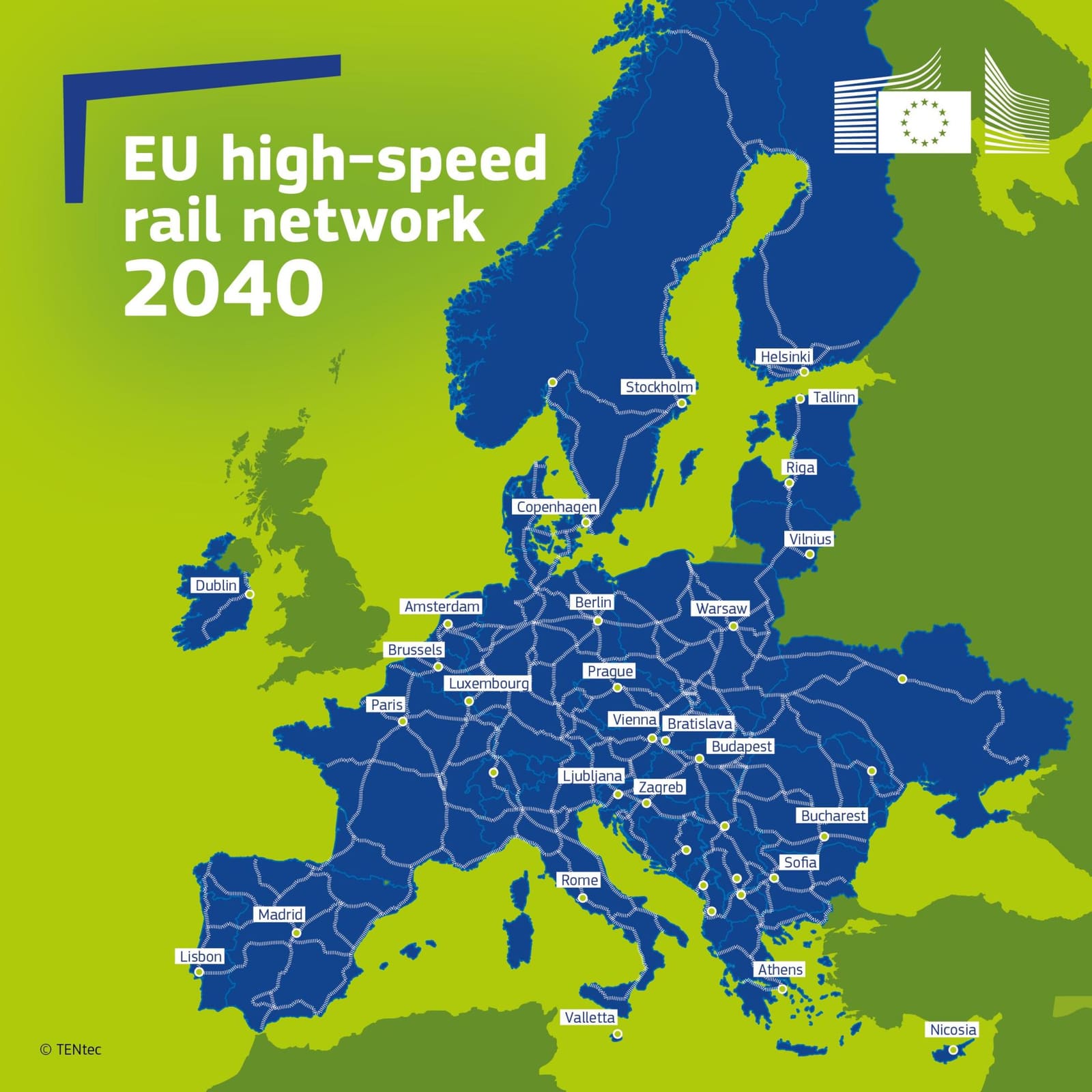
The tunnel is part of a broader pattern. Cross-border high-speed rail in Europe has been expanding steadily, driven by a mix of climate policy, infrastructure investment and growing competition among operators. Trenitalia already runs services in France and Spain, and has ordered 19 new high-speed trains for a planned London to Paris service via the Channel Tunnel by 2029, a move aimed at challenging Eurostar's current dominance on that route.
A Continental Strategy
Trenitalia's chief executive, Gianpiero Strisciuglio, has framed the expansion as part of a vision for a high-speed "European Metro", a phrase that captures both ambition and the logistical complexity involved. Running trains across multiple countries means navigating different regulatory regimes, labour rules, ticketing systems and maintenance standards, all while keeping fares competitive with budget airlines.
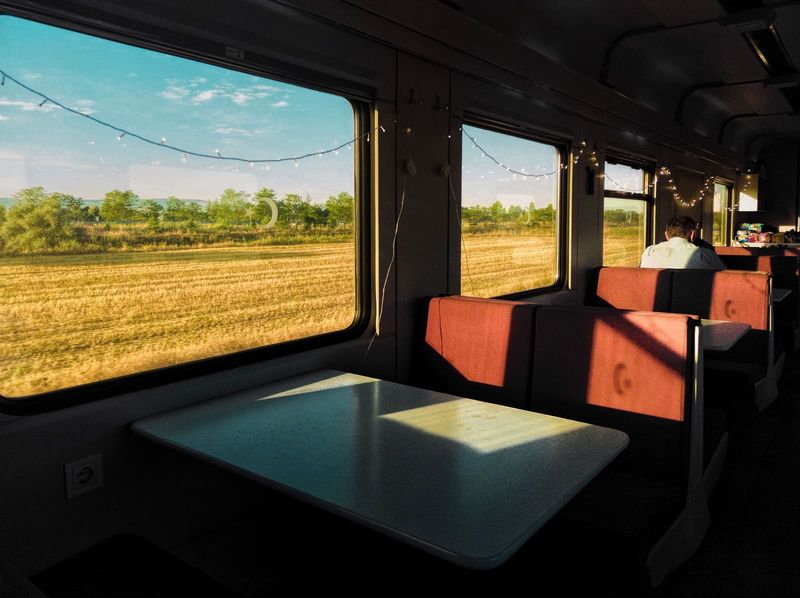
The new routes also test demand. Six and a half hours from Milan to Munich is faster than driving but slower than flying, and the appeal will depend on factors like ticket pricing, station locations and onboard service quality. For travellers who value city-centre to city-centre convenience and the ability to work or relax en route, the train can be compelling. For those prioritising speed alone, the calculation is different.
Italy's transport minister, Matteo Salvini, has welcomed the progress, describing it as evidence of growth for Ferrovie dello Stato and its ability to compete in foreign markets. The expansion also reflects a broader shift in European transport policy, with rail increasingly positioned as a lower-carbon alternative to short-haul flights, particularly on routes under 1,000 kilometres.
Whether Trenitalia can sustain this pace of expansion will depend on execution. The operator is entering markets where incumbents like Deutsche Bahn and SNCF have deep roots, and where newer entrants like Flixtrain are already competing on price. The Frecciarossa brand has built a reputation in Italy for speed and comfort, but replicating that across borders, with all the operational complexity involved, is a different challenge altogether.