The Diversion
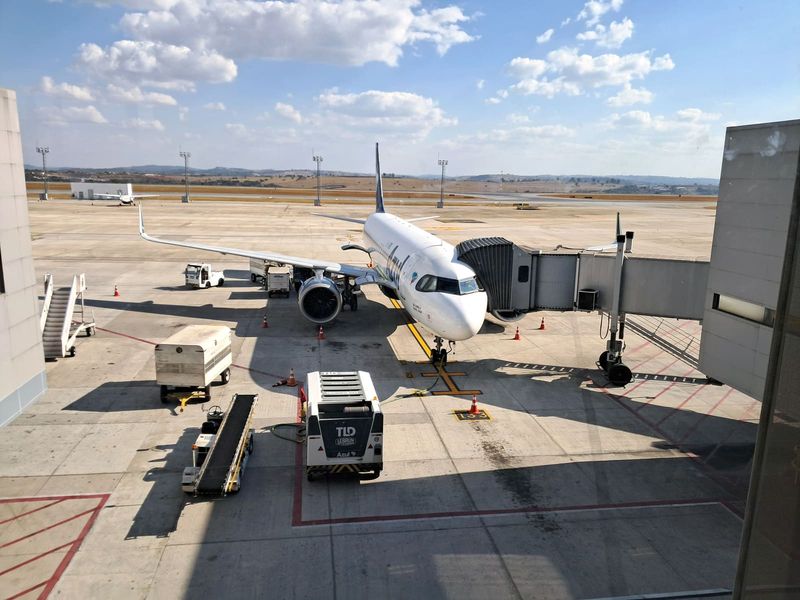
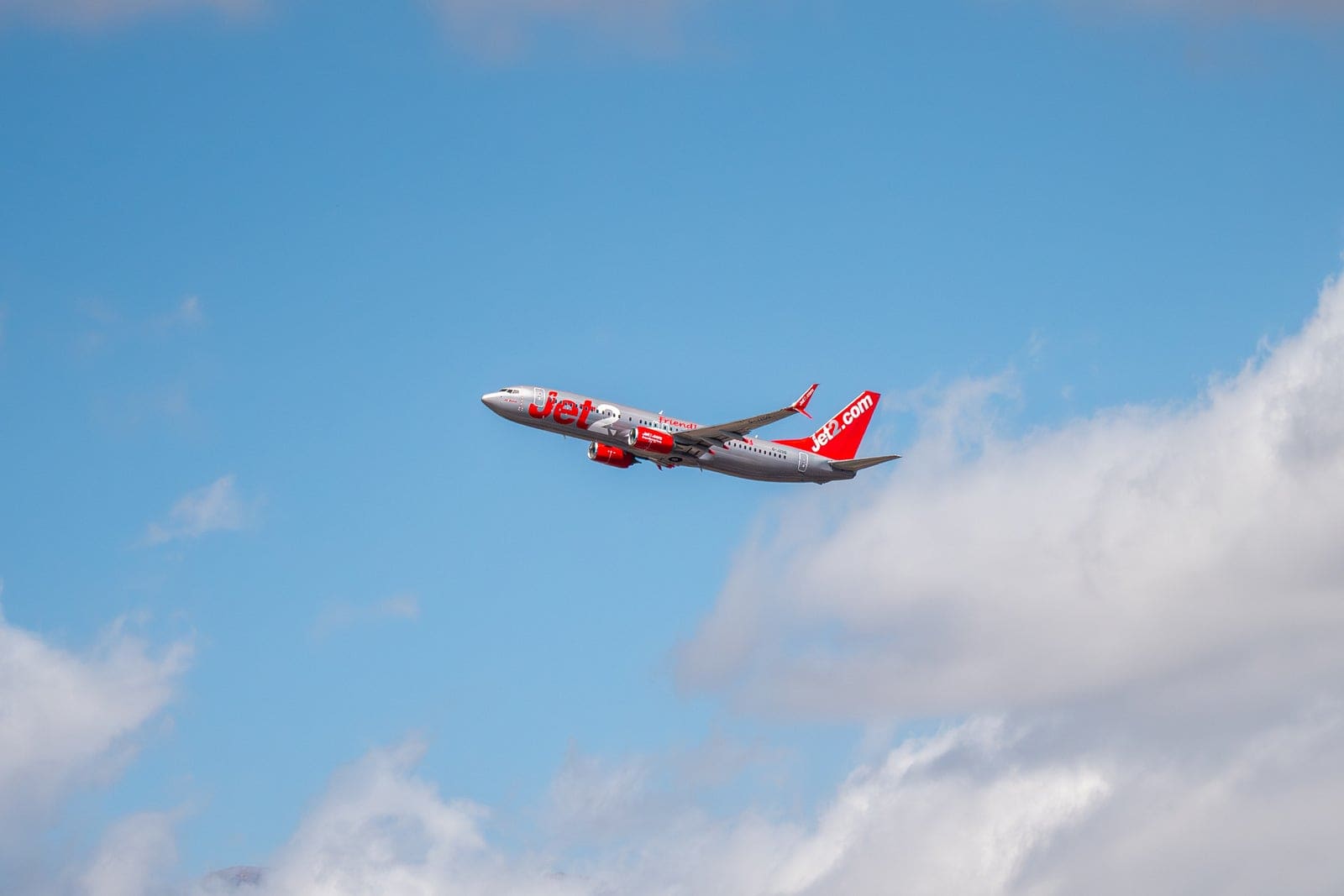
A Jet2 service from London Stansted to Ibiza changed course mid-flight on Sunday morning, landing instead at Paris Charles de Gaulle after the crew declared a general emergency. Flight LS1473, operated by a Boeing 737-800, was roughly ninety minutes into what should have been a two-hour journey when it turned toward the French capital.
The crew transmitted a squawk 7700 code, the universal aviation signal for an emergency situation requiring immediate attention. Flight tracking data showed the aircraft was over French airspace when it altered course, ultimately touching down on runway 27L at Charles de Gaulle at 10:49 a.m. local time.
Emergency services were positioned at the airport ahead of the aircraft's arrival, standard protocol when a plane signals distress. The landing itself proceeded without incident, and all passengers remained on board.
What Squawk 7700 Means
In aviation, transponder codes communicate a flight's status to air traffic control. The 7700 code is reserved for emergencies, covering everything from mechanical failures to medical crises. It alerts controllers to prioritize the aircraft and clear airspace if needed.
The code itself doesn't specify the nature of the problem. It simply tells ground teams to prepare for a range of possible scenarios, which is why emergency vehicles are typically staged near the runway. In this case, whatever prompted the crew to transmit 7700 was resolved on the ground in Paris.
The Journey Continues
After a delay of roughly two hours, the flight departed Charles de Gaulle at 12:51 p.m. and completed the trip to Ibiza, arriving at 2:33 p.m. local time. Passengers who began their day expecting a direct two-hour hop ended up with a five-and-a-half-hour journey, including the unscheduled stop.
Jet2 has not publicly disclosed what caused the diversion. The airline did not immediately respond to requests for comment. For passengers, the lack of detail is common in these situations; airlines often wait until internal reviews are complete before explaining what went wrong.
A Routine Precaution, or Something More?
Diversions like this one are relatively rare but not unheard of. Pilots are trained to err on the side of caution, and declaring an emergency ensures resources are in place if things worsen. The fact that the same aircraft continued to Ibiza suggests the issue was either resolved or deemed safe enough to proceed after inspection.
Still, the presence of emergency services and the decision to land at a major hub like Charles de Gaulle hint that the crew took the situation seriously. Whether it was a technical glitch, a sensor warning, or something else entirely remains unclear.
Context in a Summer of Disruptions
The incident adds to a busy summer for European aviation, though it's worth noting that diversions for safety reasons are fundamentally different from cancellations or delays caused by staffing or scheduling. This was a crew making a judgment call in real time, prioritizing safety over schedule.
Other recent diversions have involved more dramatic circumstances. Last month, a Vietnam Airlines flight bound for Hanoi returned to Munich after suffering a tail strike and runway overrun during takeoff. Flight tracking data showed the Boeing 787 circling to burn off fuel before landing with significant damage to its rear fuselage and landing gear. Footage captured a dust cloud trailing the jet as it lifted off, a visible sign something had gone wrong from the start.
That incident underscores how varied in-flight emergencies can be. Some involve visible damage or mechanical failure; others, like the Jet2 diversion, remain unexplained to the public. Both, however, reflect the same underlying principle: when in doubt, land.
What Passengers Should Know
For travelers, these events are unsettling but also a reminder of how seriously aviation takes risk management. A squawk 7700 doesn't mean catastrophe; it means the crew is following protocol. The delay is inconvenient, but the alternative, continuing a flight when something feels off, is far worse.
If you're on a diverted flight, expect limited information in the moment. Crew are focused on managing the situation, and details often emerge only after the fact. In this case, passengers made it to Ibiza the same day, albeit later than planned. Whether Jet2 will offer compensation or further explanation depends on what the investigation reveals and how the airline chooses to communicate it.
For now, the takeaway is simple: the system worked. The crew flagged a problem, air traffic control cleared a path, and the plane landed safely. The rest is paperwork.