A Visual Archive Along the Water
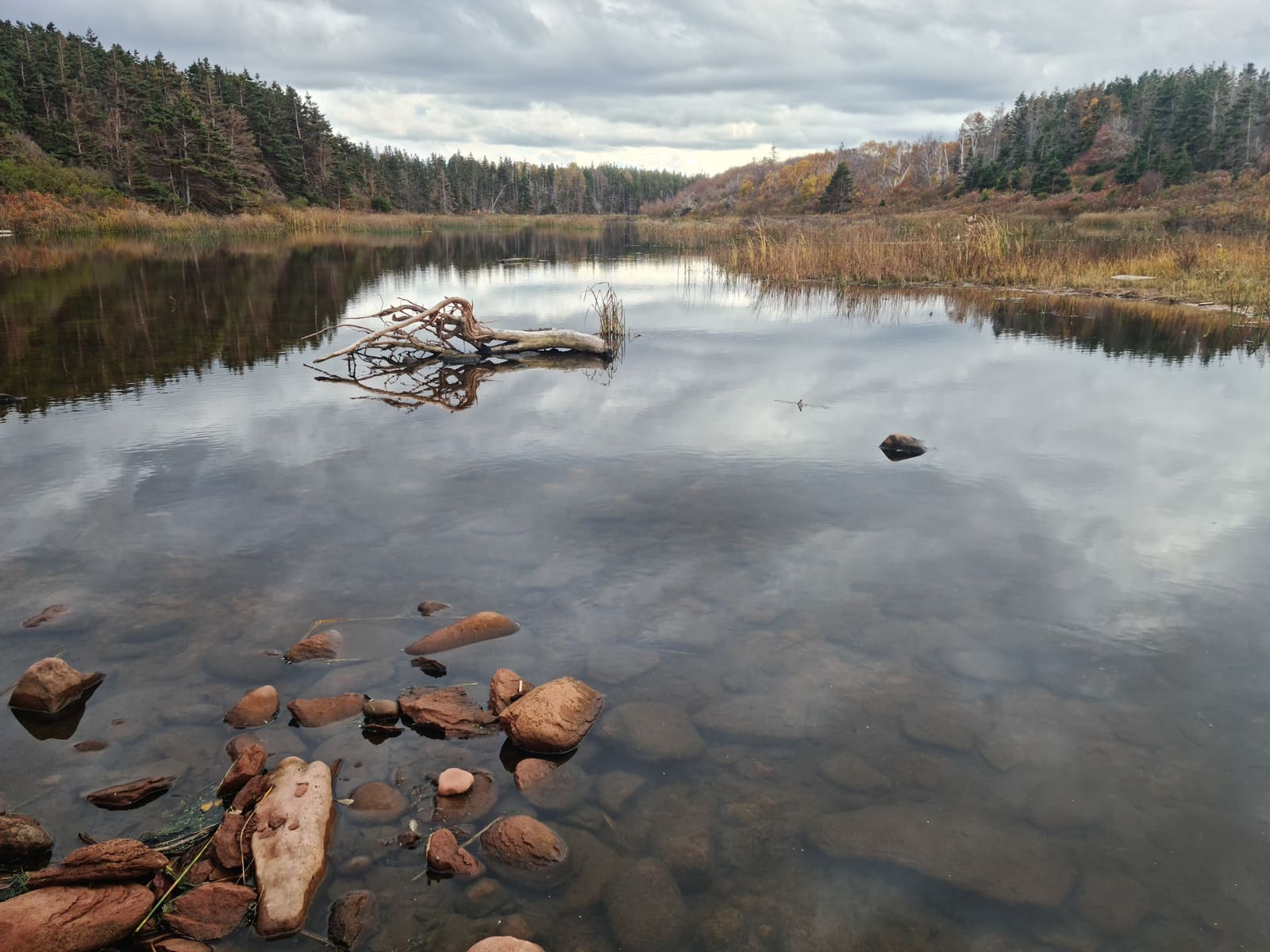
The smooth slate bedrock bordering Kejimkujik Lake holds more than 500 carvings, a collection that spans roughly a thousand years of Mi'kmaq presence in what is now central Nova Scotia. The petroglyphs sit within Kejimkujik National Park and National Historic Site, marking a landscape the Mi'kmaq have occupied since long before written records.
The images are not uniform in age. Some date back eight to ten centuries, while a significant portion captures life between the 1600s and 1800s. That range matters: the later carvings document a period of profound change, when European ships began arriving on Mi'kmaq shores and altering the rhythms of Indigenous life.
What the Slate Records
The carvings depict canoes, animals, hunting scenes, and clothing. Among the most recognisable motifs are the peaked hats worn by Mi'kmaw women, a distinctive element of traditional dress. Ocean-going canoes appear as well, testifying to the maritime reach of Mi'kmaq communities.
A handful of petroglyphs carry signatures rendered in Mi'kmaw script, a writing system developed in the 18th century by French missionary Pierre Maillard and adapted by Mi'kmaq scribes. These inscriptions are rare, and their presence suggests that at least some of the carvers were literate in their own language during a period when Indigenous writing systems were uncommon in the region.
Other images turn outward. European sailing ships, firearms, and human figures in non-Indigenous dress mark the arrival of outsiders. These carvings do not celebrate or condemn; they simply record what was seen, a visual ledger of contact and its tools.
Context Beyond the Carvings
The petroglyphs are one strand in a broader archaeological record. Kejimkujik holds ancient campsites, fish weirs built to trap migrating fish, and burial sites, all of which confirm continuous Mi'kmaq occupation. Oral histories carry the same message, though they extend further back than any stone or carbon date.
The site is not a relic. Mi'kmaq communities in Nova Scotia remain active stewards of their heritage, and the park works with Indigenous advisors to manage and interpret the petroglyphs. Access to the carvings is controlled to prevent erosion and vandalism, and visitors typically view them on guided walks led by park staff, some of whom are Mi'kmaq.
Why Slate, Why Here
Slate is soft enough to carve with stone or metal tools but durable enough to survive centuries of weather. Kejimkujik Lake's shoreline offered both material and motive: the location was a seasonal gathering point, a place where families returned to fish, hunt, and trade. Carving into the rock may have served as a way to mark presence, record events, or communicate across generations.
The park's designation as a National Historic Site in 1995 recognised the petroglyphs' significance, though the Mi'kmaq connection to the land long predates any federal designation. The carvings remain one of the most concentrated collections of Indigenous rock art east of the Great Lakes, and their range of subject matter offers a rare window into both continuity and change across several centuries of Mi'kmaq life.