The Luggage Nobody Ordered
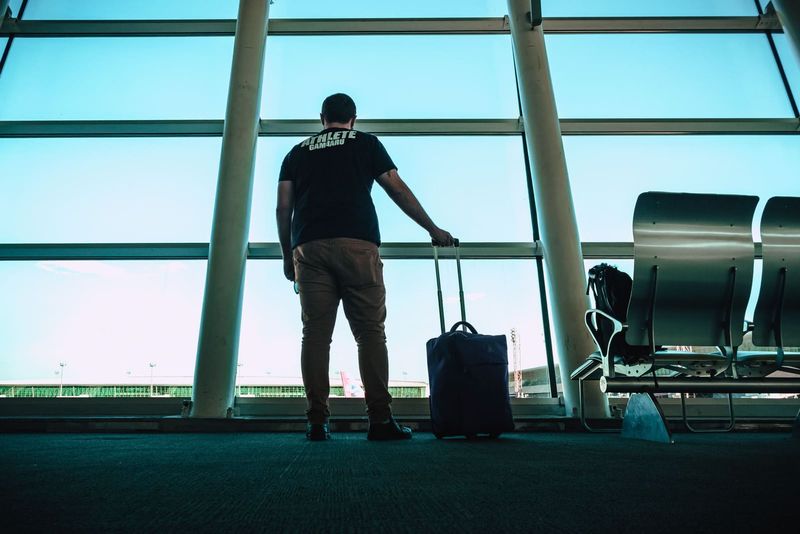
Diners arriving at Hotel du Cap-Eden-Roc in Antibes have occasionally shown up with unexpected baggage: suitcases full of costume changes. Manager Sophie Volant noticed the pattern when certain lunch and dinner bookings turned into extended styling sessions. Some visitors wandered the property scouting angles rather than heading to their table. A few cycled through multiple outfits despite having no room booked, transforming public spaces into makeshift studios.
Longtime patrons noticed, and complained. The five-star property, which has hosted Grace Kelly and the Kennedy family over the decades, decided to formalise what had been an unspoken expectation. Its website now states plainly that shoots require prior clearance. A meal reservation, in other words, does not double as a location permit.
Volant framed the decision around the experience of regulars who return year after year. Many regard the hotel less as a business and more as a seasonal residence. They appreciate the company of other guests in the dining room and bar, she said, but they also expect a degree of seclusion. When visitors treat the grounds as a backdrop for prolonged sessions, that balance tips.
What Counts as a Shoot
The policy does not ban casual snapshots. Guests may take pictures along the Grande Allée, the hotel's avenue of trees, provided they pause if someone else walks into the frame. Pool areas have tighter restrictions on both cameras and phone conversations. The line falls between spontaneous holiday images and activities that intrude on others.
Enforcement can be awkward, especially when the person holding the camera is a high-profile guest. Volant acknowledged that declining a request runs counter to hospitality instinct. Yet she said feedback has been positive. Some patrons have even asked the hotel to apply the rules more firmly, suggesting that freedom from unwanted documentation is part of what they pay for.
A Pattern Beyond One Property
Hotel du Cap-Eden-Roc is not alone. The Hollies, a farm shop in Cheshire, introduced time windows for filming after television personality Molly-Mae Hague posted content shot there. London restaurateur Jeremy King has spoken publicly against influencers monopolising tables for content. A Nantucket shopfront hung a sign reading "no influencers". Each case reflects a different threshold, but the underlying friction is similar: businesses weighing the promotional value of user-generated imagery against the comfort of people who simply came to shop or eat.
The Economics of the Post
Anna Fedou, chief marketing officer at Beaumier, a hotel group that includes Les Roches Rouges on the French coast, said the company occasionally partners with creators to showcase its properties. But she drew a firm boundary. Hotels exist to offer hospitality, not to function as photo studios, she said. Guests travel long distances for a particular mood and sense of space, and safeguarding that atmosphere is the operator's job.
Beaumier has no written photography rules. Instead, staff assess each situation based on whether it affects guest comfort. Fedou noted that creators typically choose off-peak moments to shoot, capturing spaces without disturbing others. Les Roches Rouges cultivates a laid-back vibe, she added, but the visitor experience always comes first.
Nicole Ocran, who founded the Creator Union to represent people working in the influencer industry, pointed out that much of the content posted from hotels and restaurants is unpaid. Creators often produce material speculatively, hoping to attract brand attention. Some receive complimentary stays in exchange for coverage; others are building portfolios for future deals. Ocran conceded that creators can cross lines when filming in shared spaces, but she stressed that the work is often less lucrative than onlookers assume.
Where the Boundary Sits
The debate is less about whether hotels should appear on social media than about who controls the terms. User-generated posts can introduce a property to new audiences, and some establishments actively court that exposure. The friction arises when the act of creating content begins to reshape the environment for everyone else. A table occupied by someone changing clothes is a table unavailable to someone who came to eat. A poolside interrupted by a tripod setup is a poolside no longer quiet.
Hotel du Cap-Eden-Roc's approach is narrow in scope. It permits personal photography in designated areas and entertains formal shoot requests routed through management. What it declines to accommodate is the grey zone: the reservation that becomes a production, the public terrace treated as a private set. For a property that has attracted famous faces for generations, the irony is that privacy, not visibility, has become the scarce commodity.