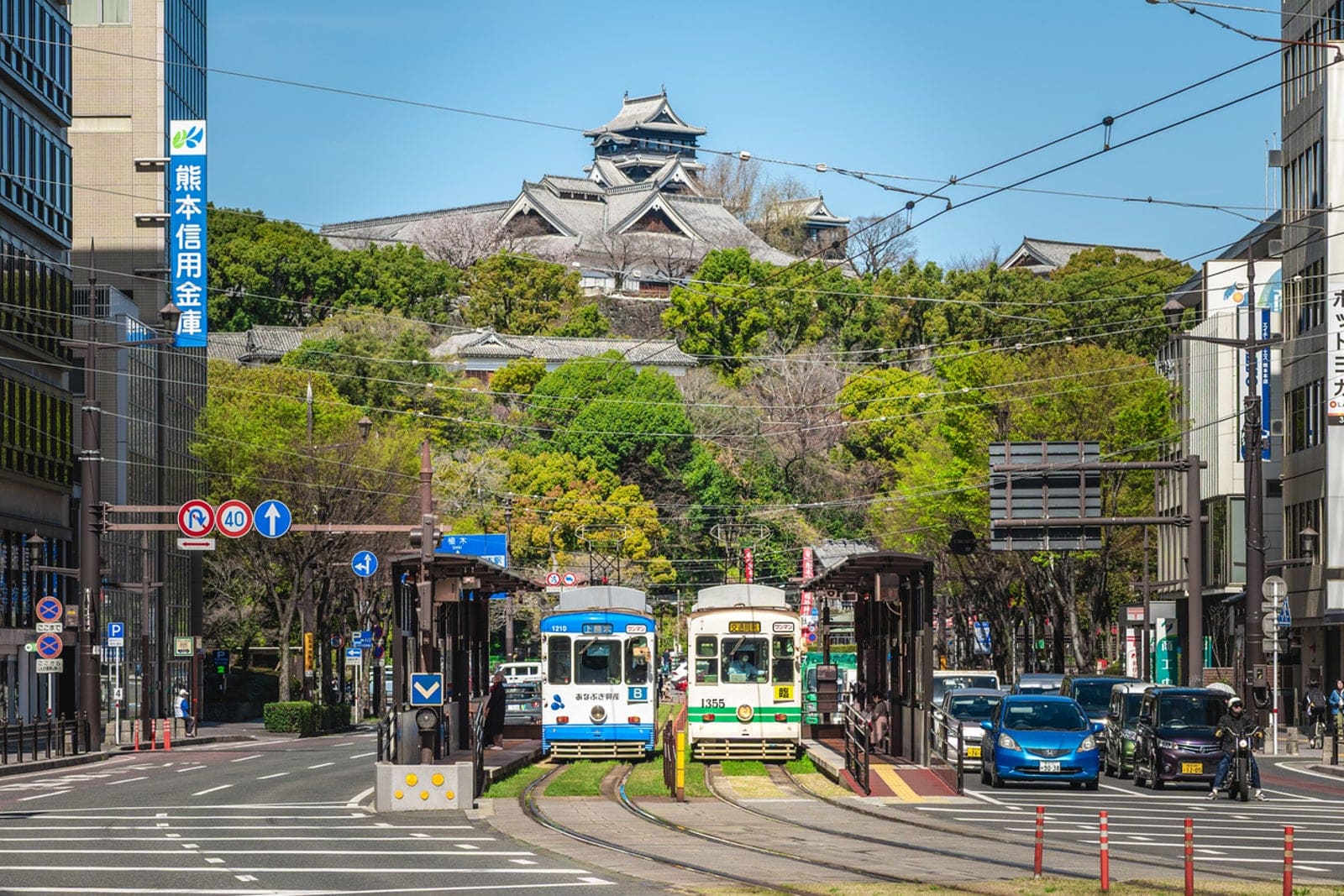
Transport Comes to a Standstill
A magnitude 6.8 earthquake struck Kumamoto Prefecture on Japan's southern island of Kyushu on July 28, bringing train services to a halt and throwing flight schedules into disarray. The quake hit around 900 kilometers southwest of Tokyo, affecting one of the country's four main islands.
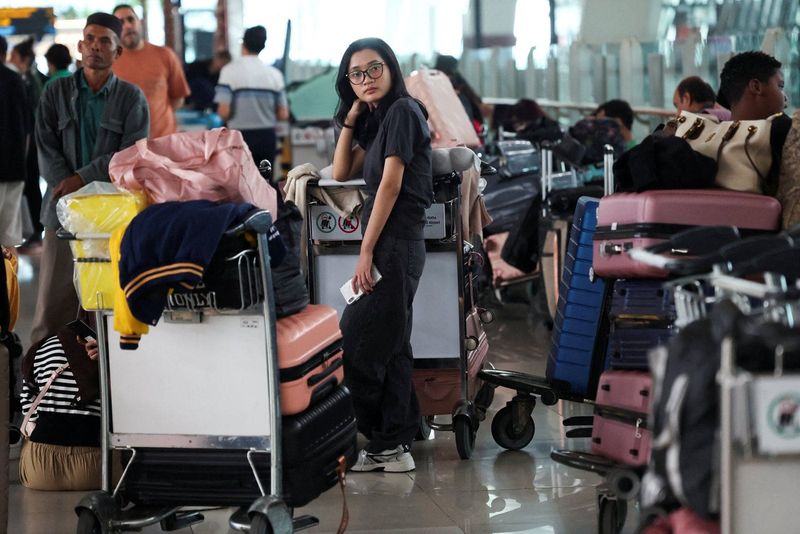
Rail lines across Kyushu were suspended following the tremor, while Kumamoto and Fukuoka airports saw hundreds of flights delayed, according to flight tracking data. Tsunami advisories issued for the Ariake and Yatsushiro Sea have since been lifted, though aftershocks are expected to continue in the coming days.
For travelers already in Japan or planning trips, the disruption raises practical questions about getting around and whether to adjust plans.
No Official Warning Against Travel
The UK Foreign Office updated its guidance to note the earthquake and ongoing transport issues, but stopped short of advising against travel to Japan. That distinction matters for anyone hoping to cancel or postpone a trip.
Without an official travel warning, holiday providers are not obligated to offer refunds, and standard travel insurance policies won't cover cancellations based solely on safety concerns. Travelers looking to change plans will need to check the specific terms of their bookings and contact providers directly.
The absence of a travel ban reflects the localized nature of the disruption. While Kyushu is dealing with immediate fallout, the rest of Japan continues to operate normally.
Living in an Earthquake Zone
Japan sits on the Pacific Ring of Fire, where tectonic activity makes earthquakes a regular occurrence. Buildings are engineered to withstand significant shaking, and public infrastructure includes extensive early warning systems.
The Japan Meteorological Agency monitors seismic activity and issues alerts for earthquakes, tsunamis, and aftershocks. Visitors can check updates on the agency's website, which provides real-time information in multiple languages.
Hotels and train stations display evacuation instructions, often in English and other languages alongside Japanese. Local authorities coordinate responses quickly, and residents are accustomed to following official guidance during and after quakes.
Practical Steps for Visitors
Anyone currently in Kyushu should expect continued transport delays and check with rail operators and airlines before heading to stations or airports. Major carriers typically waive rebooking fees during disruptions like this, though policies vary.
Travelers arriving in other parts of Japan are unlikely to face issues, but it's worth confirming onward connections if your itinerary includes Kyushu. Domestic flights and bullet trains to other regions remain unaffected.
Staying informed through official channels is key. The Japan Meteorological Agency, local news outlets, and hotel staff can provide updates as the situation evolves. Aftershocks may rattle nerves, but they rarely cause additional damage if initial structures held up.
When Uncertainty Meets Routine
For a country where seismic activity is woven into daily life, this earthquake is serious but not unprecedented. Kumamoto Prefecture experienced a deadly magnitude 7.0 quake in 2016, which reshaped building codes and emergency protocols across Kyushu.
The response to this latest tremor reflects lessons learned. Evacuations were swift, communication clear, and transport suspensions precautionary rather than reactive to damage.
Travelers face a judgment call. Those with flexible plans and heightened anxiety about aftershocks might choose to wait. Others, particularly those visiting regions far from Kyushu, may see little reason to alter their trips. The key is weighing personal comfort against the reality that most of Japan is operating as usual, and even in Kyushu, services are working to resume quickly.