The Immediate Impact
Tuesday afternoon brought Kyushu to a sudden stop. A 7.1-magnitude earthquake centered near Uto, a coastal city south of Kumamoto, struck shortly after 4:30 p.m., triggering automatic shutdowns across the island's transport network. The shinkansen stopped mid-route. Kumamoto Airport halted operations for safety checks. Coastal communities rushed inland as tsunami alerts sounded.
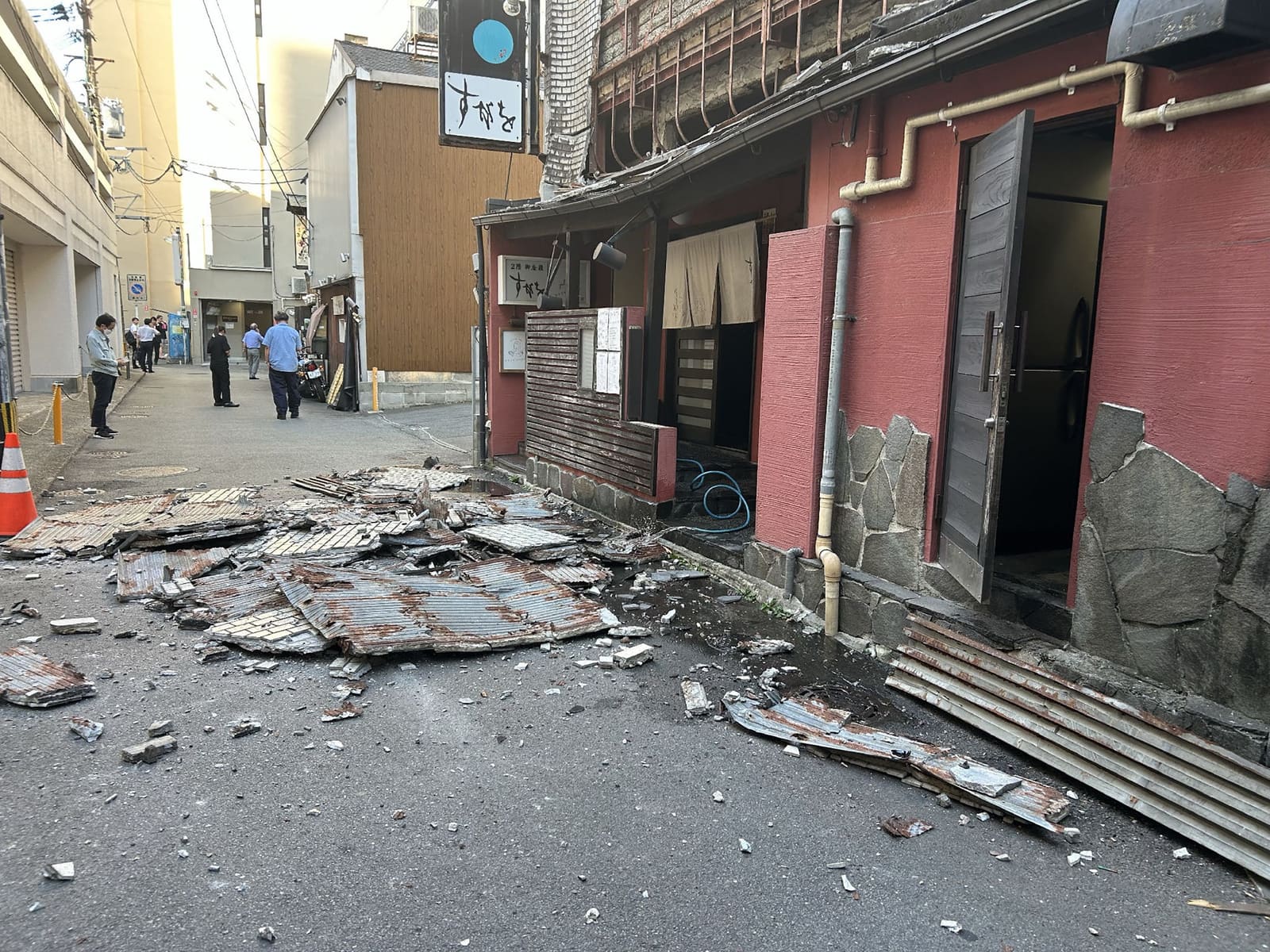
More than 150,000 residents moved to evacuation centers while emergency teams fanned out across central Kumamoto. Roads cracked open in several locations. Fires broke out in Uki. A freight train left its tracks. Part of Kumamoto Castle's stone wall, painstakingly rebuilt after the 2016 quakes, came down again. Around 50 people received treatment at a hospital in Hikawa, though the full picture of injuries took hours to assemble.
The initial tsunami warning covered the Ariake and Yatsushiro seas, forecasting waves up to one meter. Officials lifted the alert that evening after monitoring confirmed no destructive surge had formed. The US Pacific Tsunami Warning Center ruled out risk beyond Japanese waters.
Where the Disruption Sits
Kumamoto sits on Kyushu's western flank, roughly halfway down the island. It's less familiar to most international visitors than Tokyo or Kyoto, but it anchors a region that stretches from Fukuoka's urban sprawl in the north to Kagoshima's volcanic south, and from Nagasaki across the Ariake Sea to the hot-spring towns around Mount Aso in the east.
The heaviest shaking concentrated around Uto, Uki, Hikawa and Kumamoto City, a corridor of towns and suburbs pressed between the coast and the mountains. This is where Kyushu's main north-south rail and road links squeeze through, and where the quake hit hardest.
Emergency alerts went out across all seven prefectures on the island, from Fukuoka to Miyazaki. That reflected the scale of the tremor rather than uniform damage. Buildings swayed in distant cities, but the cracked roads and collapsed structures were concentrated in Kumamoto. Osaka, several hundred kilometers northeast on Honshu, felt the quake without reporting serious harm. Tokyo, Kyoto, Hiroshima and Okinawa lie well outside the affected zone.
Rail and Air Connections
JR Kyushu suspended the shinkansen line that normally links Fukuoka, Kumamoto and Kagoshima in under two hours. The bullet train is Kyushu's spine, carrying commuters and travelers between the island's largest cities. Without it, overland journeys lengthen considerably, and road routes may themselves face closures for inspection.
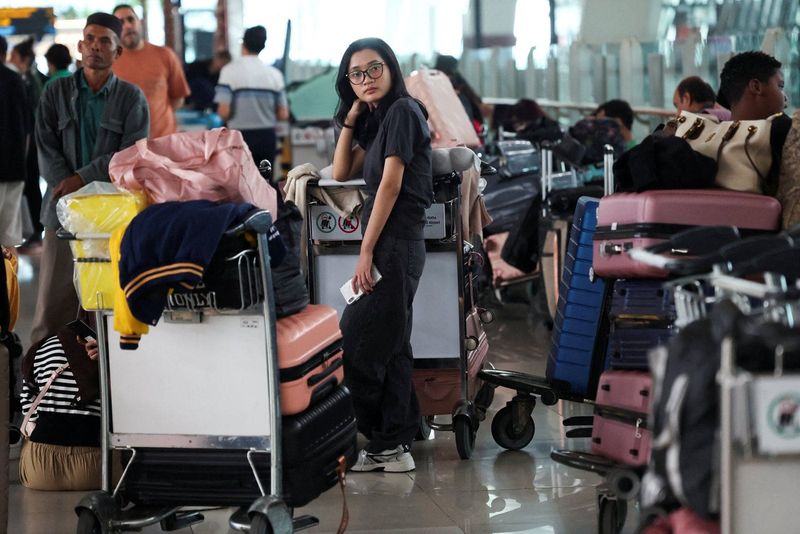
Kumamoto Airport closed its runway for structural checks after the quake, grounding flights and forcing diversions. According to the airport, operations were set to resume on July 29, though some cancellations persisted. Travelers who had planned to fly into Kumamoto and connect quickly to other parts of the island by train now face a more complicated picture.
Fukuoka Airport, the island's main international gateway, continues operating and normally sits less than an hour from Kumamoto by shinkansen. That connection, however, is currently unavailable. Other regional airports in Nagasaki, Oita, Miyazaki and Kagoshima may offer alternatives, but the ground segment of any journey requires careful checking.
Power and Aftershocks
Around 48,300 homes remained without electricity in the hours after the quake, and parts of the mobile network dropped offline. Authorities have warned that strong aftershocks could continue for at least a week, with the highest likelihood in the next two to three days. That complicates both recovery work and travel planning, as roads, bridges and tunnels may need repeated inspection.
The mountainous interior east of Kumamoto City presents particular challenges. Routes to Mount Aso, Kurokawa Onsen and other hot-spring towns wind through steep terrain where landslides or rockfalls can close roads quickly, even if the initial quake caused no visible damage.
Who Should Reconsider, Who Can Proceed
Travelers heading to Tokyo, Kyoto or Osaka face no disruption. These cities lie far from the epicenter, and their hotels, attractions and local transport networks remain unaffected. International flights into Narita, Haneda and Kansai airports continue as usual.
The calculation changes for anyone planning to visit Kumamoto or central Kyushu. The prefectural capital and surrounding towns are still being assessed for structural damage, and the suspension of rail services makes even unaffected areas harder to reach. Emergency work is ongoing, and the risk of aftershocks adds another layer of uncertainty.
For visitors already elsewhere in Japan, there's no broad reason to cancel. For those with specific plans in Kumamoto or the mountainous areas nearby, it's worth pausing until transport links stabilize and the extent of damage becomes clearer. Fukuoka and the northern parts of Kyushu may see less disruption, but connections southward remain unsettled.
The Broader Context
Kumamoto has rebuilt steadily since 2016, when a pair of powerful earthquakes killed dozens, flattened homes and left the castle's stone ramparts in ruins. Restoration of the castle has been a long, meticulous process, and this week's quake has undone part of that work. Prime Minister Sanae Takaichi said the government had established an emergency task force to coordinate the response and assess reports of collapsed buildings, fires and infrastructure damage.
Japan's tsunami alert system operates on a color-coded scale. A yellow advisory, issued for waves up to one meter, signals danger to anyone near the shore, as even relatively modest surges can create violent currents and sweep people from harbor walls. A red warning indicates waves up to three meters, requiring immediate evacuation from coastal and low-lying areas. A purple major tsunami warning, reserved for waves above three meters, signals catastrophic risk. The alert issued after Tuesday's quake was yellow, and it was lifted once sea-level monitoring confirmed no destructive wave had developed.
What Comes Next
The immediate danger has passed, but the disruption will linger. Rail services will resume once tracks, bridges and overhead lines pass inspection. Roads will reopen as engineers confirm stability. Power will return as crews work through the grid. All of that takes time, and the threat of aftershocks means some closures may recur.
For now, the advice is straightforward. Travelers bound for Tokyo, Kyoto, Osaka or other cities on Honshu can proceed without concern. Those planning trips to Kumamoto or the mountainous center of Kyushu should check transport links carefully and be prepared for delays, detours or cancellations. And anyone already in the affected area should follow local instructions, stay informed about aftershock warnings, and allow extra time for journeys that would normally be quick and reliable.