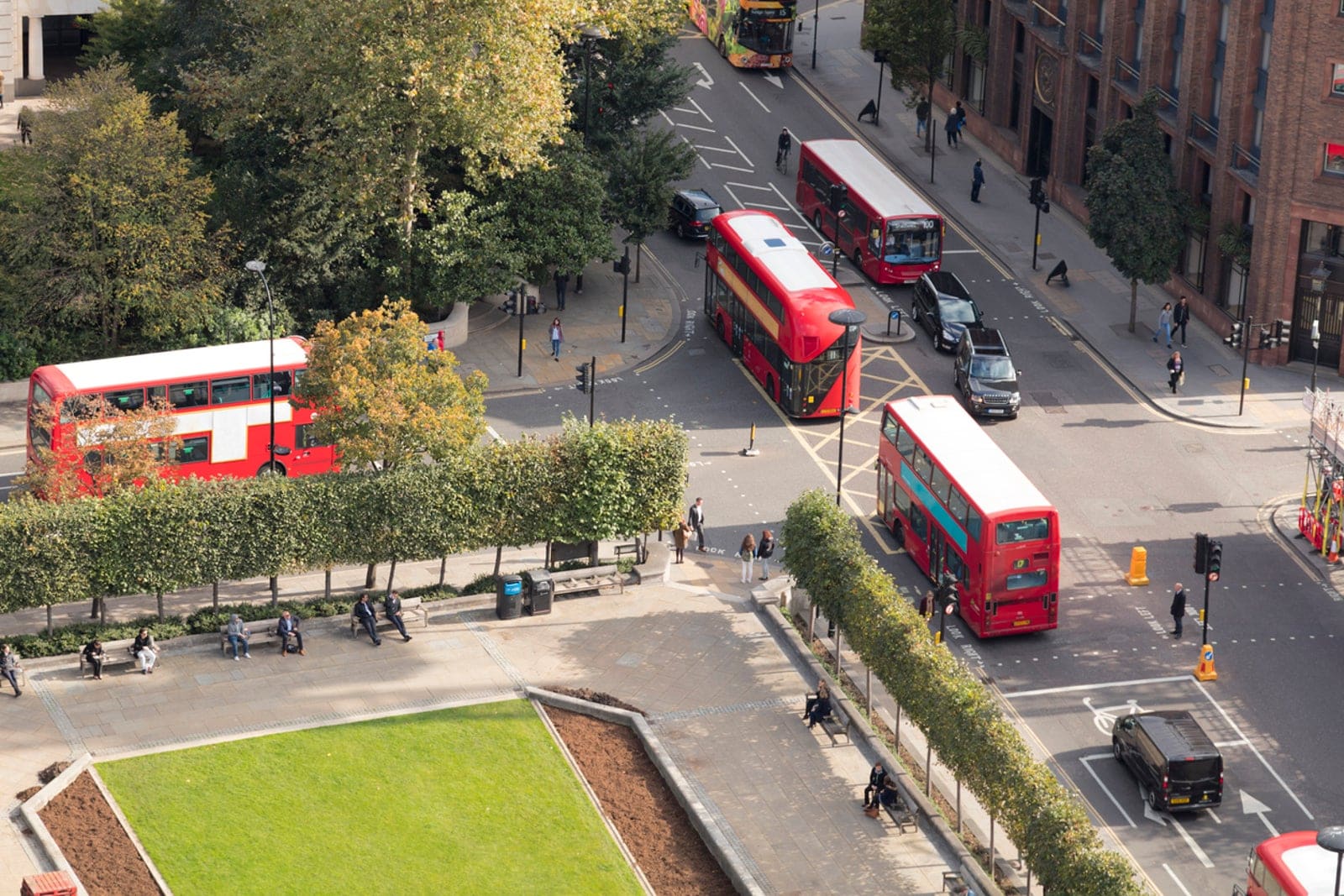
The Scale of the Action
More than 1,500 bus drivers across north London are walking off the job this summer, kicking off a series of strikes that will stretch into mid-October. The first stoppage began early Friday morning, 14 August, at 4am and runs until 4.30am Saturday. It's the opening salvo in a dispute that will see drivers down tools on 26 separate dates over three months.
The action involves workers from eight garages: Barking, Edmonton, Enfield, Grays, Palmers Green, Stamford Hill, Tottenham, and Wood Green. All are employed by Arriva North London, one of the capital's largest bus operators. Forty-two routes will be affected, including major services like the 19, 29, 41, 76, and 149, as well as several night routes.
Why Drivers Are Striking
The dispute centers on working conditions during hot weather. According to Unite, the union representing the drivers, members have experienced heat exhaustion, heat stroke, and dehydration while behind the wheel. The problem, they say, is that most Arriva buses use air cooling systems rather than full air conditioning, leaving cabs exposed to extreme temperatures during recent heatwaves.
Drivers have repeatedly raised concerns with management, but the union claims Arriva North London has failed to address the issue. Unite general secretary Sharon Graham framed the dispute as a matter of both worker safety and public protection. She pointed out that Arriva is a profitable company with the resources to improve conditions, but has chosen not to.
The union has taken the unusual step of providing drivers with an official letter to present to their employer when cab temperatures become unsafe. The letter informs the company that the driver is stopping work for safety reasons, a move that underscores how serious the union believes the risk has become.
Timing and Travel Impact
The timing is particularly awkward for travelers. Several of the planned strikes coincide with closures on the Piccadilly line, compounding disruption for anyone trying to move around north and central London. Transport for London has confirmed that while the majority of the city's bus network will continue to operate, affected routes may see no service at all, and nearby routes are likely to be busier than usual.
The strike dates are spread across August, September, and October. After the initial 14-15 August action, further stoppages are scheduled for 18-21 August, 25-28 August, then intermittently through September and into early and mid-October. The final planned dates are 16-17 October and 19-20 October.
Transport for London has urged passengers to plan ahead, allow extra time, and check services before traveling using its website or the TfL Go app. The agency has also called on both sides to find a resolution, noting the disruption to journeys.
What It Means for Travelers
If you rely on any of the affected routes, expect significant gaps in service on strike days. Night buses are also included in the action, so late-night travelers in north London will need alternatives. The overlap with Piccadilly line closures means that backup options will be stretched.
For visitors unfamiliar with London's bus network, the disruption may not be immediately obvious until you're at a stop. The affected routes span a wide area, from Grays in the east to Enfield in the north, and several run through central zones. Checking live departure boards and having a backup plan, whether that's the Tube, overground trains, or ride-hailing, will be essential.
The broader question is whether this dispute signals a wider issue with working conditions in London's bus network. Heat stress is a growing concern as summers get hotter, and drivers spend long shifts in vehicles that weren't designed for extreme temperatures. If Arriva and Unite can't reach an agreement, the disruption could extend well beyond October, affecting millions of journeys across one of the world's busiest transit systems.
For now, the ball is in Arriva's court. The strikes are scheduled, the drivers are organized, and the impact on travelers is already being felt. Whether the company will invest in better cooling systems or continue to hold the line remains to be seen.