A Gradual Return
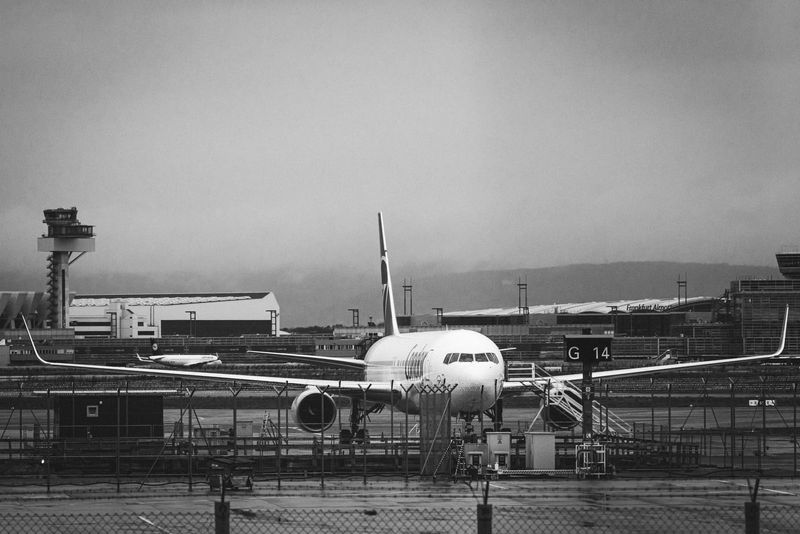
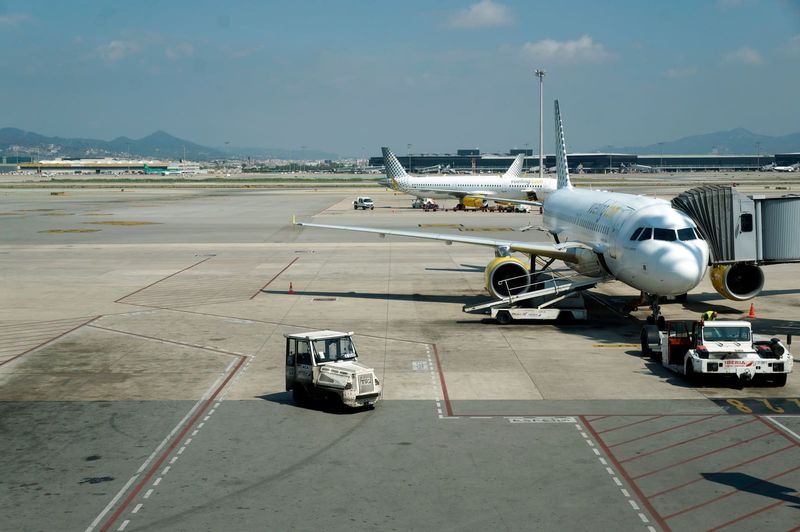
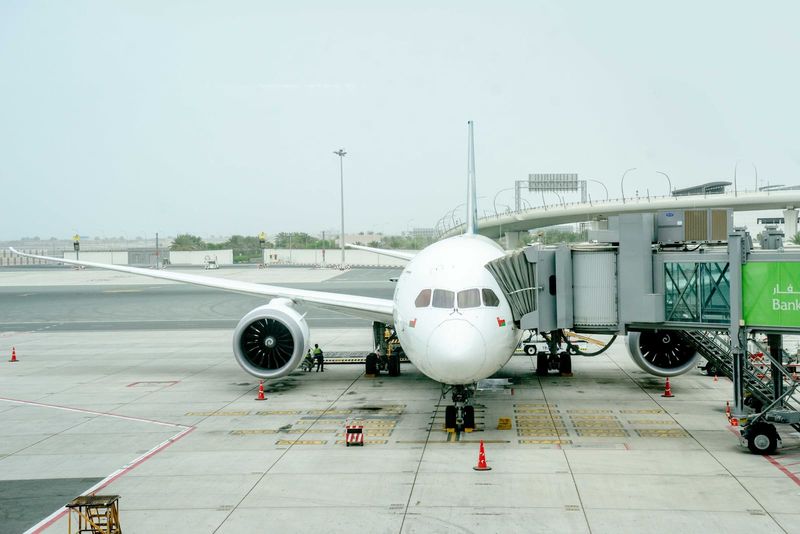
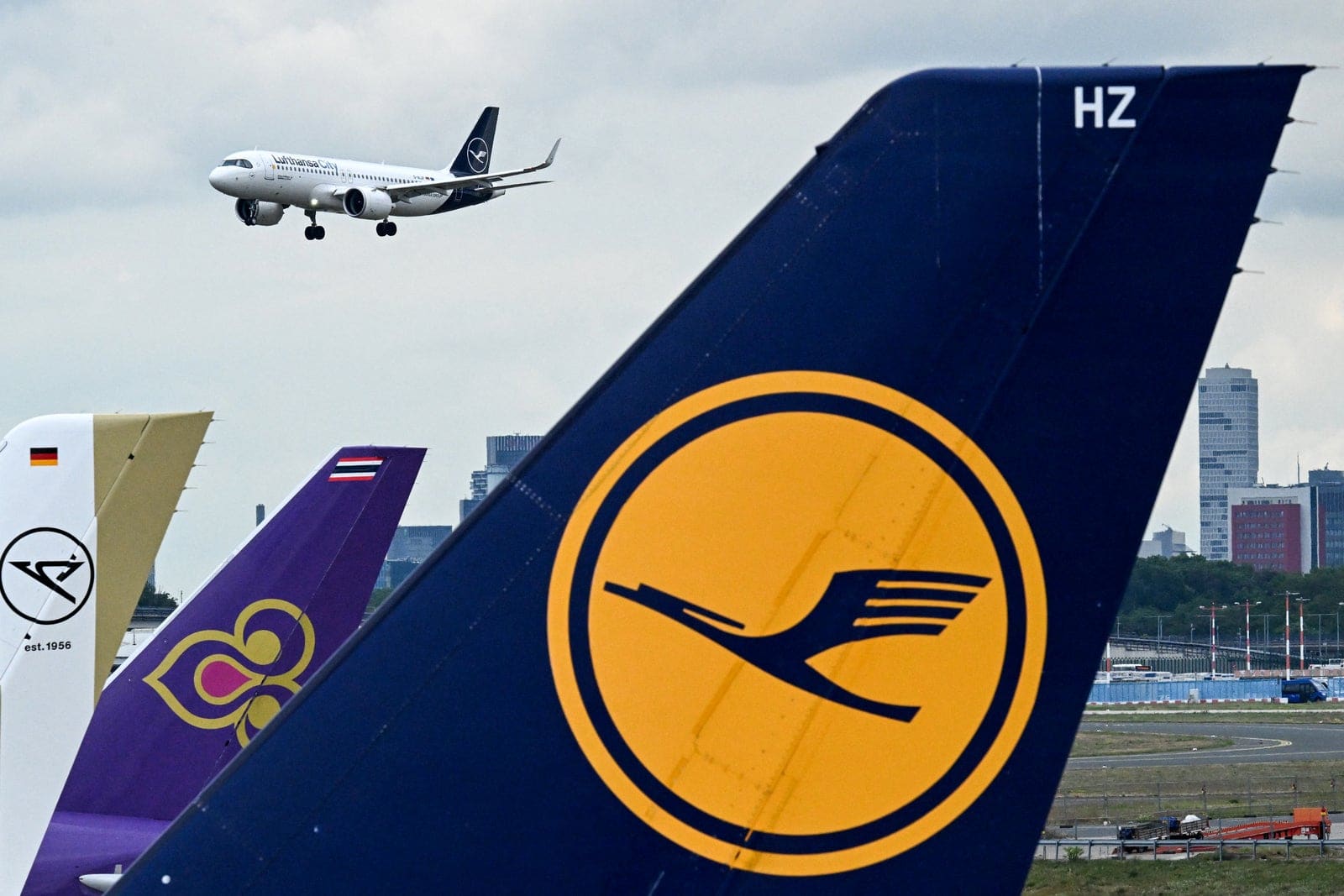
Lufthansa Group will begin flying to Dubai again in late October after months of suspension, the German airline group announced on Wednesday. At full capacity, the carrier plans to operate up to 36 weekly flights to and from the emirate.
The phased restart is part of what Lufthansa describes as an effort to rebuild its Middle East network whilst expanding options for both business and leisure travellers. The group has been reshaping its route map this year, launching several new Asian services and continuing a broader restructuring aimed at cutting costs and streamlining operations.
A Region Still Recovering
Dubai has become one of the more challenging destinations to restore. Whilst some airlines are beginning to return, others remain hesitant, with suspensions stretching into late autumn and beyond.
British Airways has suspended services to Dubai, Tel Aviv, Bahrain and Amman until 25 October. Singapore Airlines has kept Dubai off its schedule until 24 October, whilst Cathay Pacific has extended its Dubai and Riyadh suspensions through 30 November. Wizz Air has paused Dubai and Abu Dhabi flights until 24 October, and Air Canada has pulled Dubai and Tel Aviv services through January 2027.
Air France is taking a more selective approach, maintaining a suspension to Beirut until 24 September whilst gradually restoring other destinations in the region.
What Drove the Suspensions
The widespread disruptions followed heightened tensions in the region, triggered by strikes involving the United States and Israel targeting Iran. The conflict prompted carriers across Europe, Asia and North America to pull services to several Gulf and Levantine cities as a precaution.
Dubai, a major connecting hub for long-haul travel between Europe and Asia, felt the impact acutely. The emirate relies on a steady flow of international flights to sustain its tourism and business sectors, both of which have been central to its economic model.
Uneven Confidence
The varied timelines for resumption suggest airlines are weighing risk differently. Lufthansa's October restart indicates a degree of confidence in the operating environment, though the phased approach suggests the group is proceeding carefully rather than rushing back to full capacity.
Other carriers appear less certain. Air Canada's decision to keep Dubai suspended until the start of 2027 points to a longer assessment period, whilst Cathay Pacific's November timeline suggests similar caution.
The decisions likely hinge on a mix of factors: airspace restrictions, insurance costs, crew willingness and corporate risk appetite. For some airlines, the calculus also includes whether demand justifies the operational complexity of flying into a region still marked by uncertainty.
Implications for Travellers
For passengers, the patchwork of suspensions and resumptions means fewer direct options and, in many cases, longer routings. Those travelling between Europe and destinations beyond the Gulf may find themselves rerouting through alternative hubs in Turkey, Qatar or further east.
Lufthansa's return will ease some of that pressure, particularly for travellers moving between Germany and the UAE or connecting onwards through Dubai to South Asia, East Africa and Southeast Asia. The 36 weekly flights represent a meaningful injection of capacity, though it remains to be seen how quickly demand rebounds.
A Test of Resilience
Dubai's aviation sector has weathered disruptions before, from volcanic ash clouds to pandemic shutdowns. This latest episode, however, underscores the emirate's vulnerability to regional instability, despite its efforts to position itself as a neutral business hub.
The coming months will reveal whether airlines' cautious optimism is justified, or whether further disruptions will force another round of suspensions. For now, Lufthansa's decision signals that at least one major European carrier believes the conditions are stable enough to resume operations.