A New Beach Club on a Protected Island
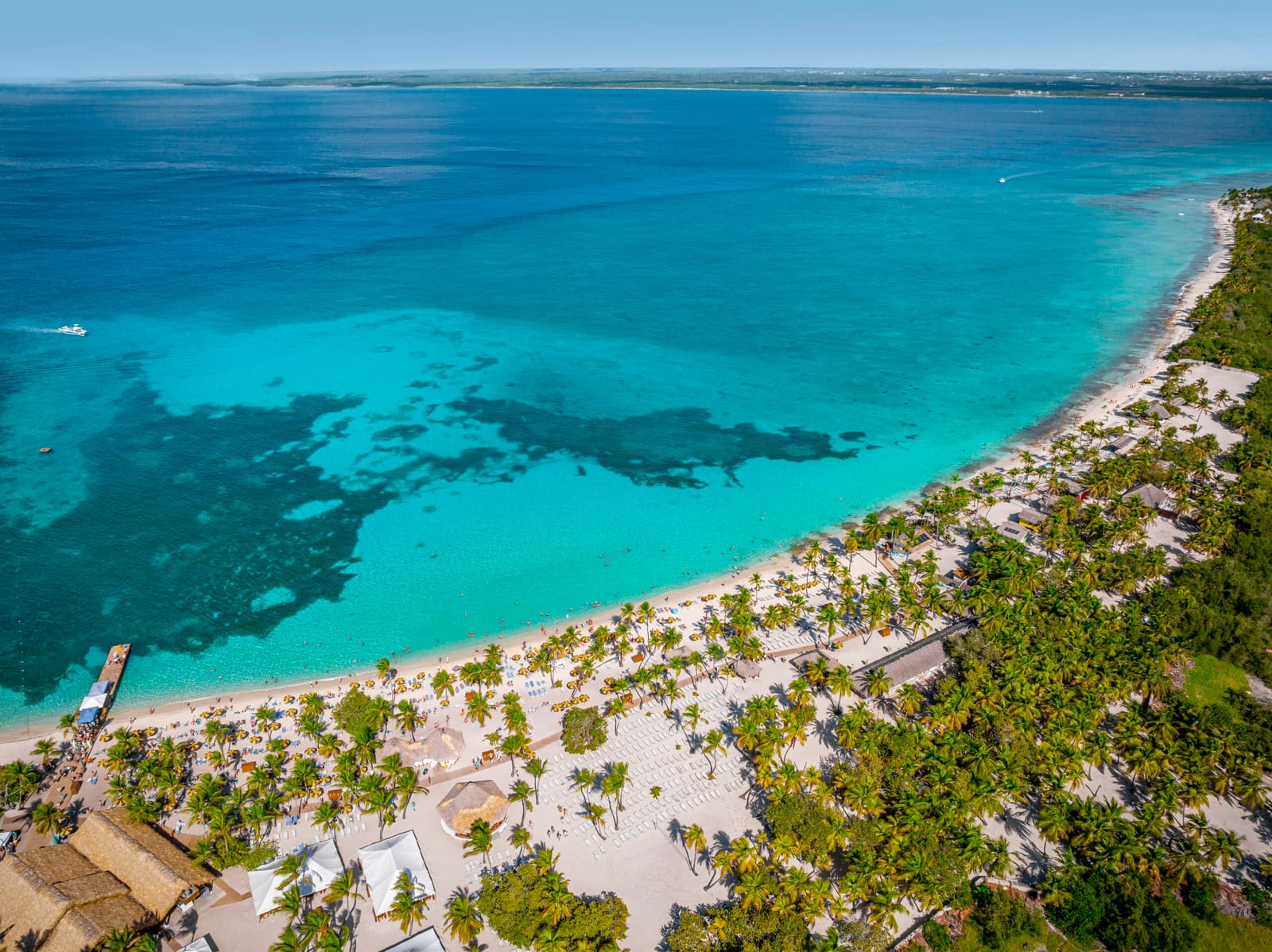
MSC Cruises is opening a revamped beach destination on Catalina Island this November, a small landmass off the coast of La Romana in the Dominican Republic. The spot, now called Catalina Sugar Beach, sits within a protected natural monument known for white sand, coral reefs, and clear water. The project is a partnership between CTL Maritime and Casa de Campo Resort & Villas, and it will welcome guests from MSC's cruise ships, its luxury brand Explora Journeys, and visitors staying at the resort itself.
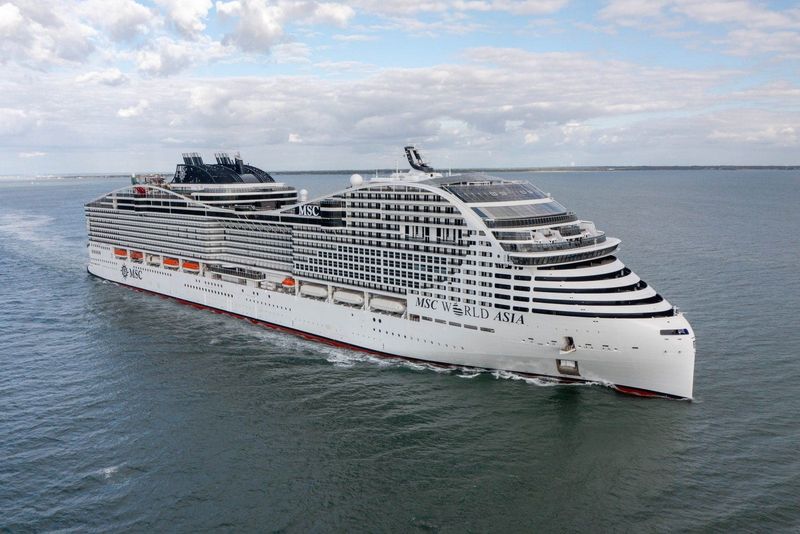
The timing lines up with MSC Opera starting weekly year-round sailings from La Romana for the first time. Every seven-night itinerary will include a stop at the island, giving passengers a consistent beach day built into their cruise. The company is positioning this as a premium Caribbean beach experience, though the island's protected status means development has to work around existing natural features rather than reshaping the landscape.
Catalina Island is not new to tourism, but the redevelopment aims to upgrade what was previously a more basic beach stop. The question for MSC is whether the mix of nature access and upgraded amenities will differentiate it from other private cruise destinations in the region, many of which have been adding similar facilities in recent years.
What Visitors Will Find
The island's main addition is a large open-air pavilion serving international food alongside Dominican dishes, with shaded seating areas facing the water. There are two bars, updated changing rooms and showers, and a water sports center where guests can rent equipment. For those willing to pay extra, private cabanas and daybeds are available for rent.
A new walking trail has been added, cutting through the island's vegetation to a viewpoint. Educational panels along the route explain local tree species and the island's biodiversity, an attempt to add a learning component to what might otherwise be a straightforward beach day. The trail is relatively short, but it gives cruise passengers who prefer activity over lounging an alternative.
The island's protected status means coral reefs are accessible for snorkeling, and the water sports center will offer gear for exploring the coastline. MSC is also adding excursions that go beyond the island itself, including catamaran trips along the coast, snorkeling tours, and boat rides to nearby Saona Island. Other options include visits to the Cave of Wonders and Altos de Chavón, a Mediterranean-style village overlooking the Chavón River.
The range of excursions suggests MSC is trying to make the stop feel more substantial than a simple beach day, though most passengers will likely spend their time on the sand or in the water rather than exploring inland.
Year-Round Sailings from La Romana
MSC Opera will begin weekly departures from La Romana in November, with every sailing stopping at Catalina Sugar Beach. This marks the first time MSC has run year-round operations from the Dominican port, a shift that reflects both the line's expansion in the Caribbean and the Dominican Republic's growing cruise infrastructure.
Passengers can book single seven-night itineraries or combine two back-to-back sailings into a 14-night "butterfly" cruise covering the Southern Caribbean. The longer option is likely aimed at travelers who want more time in the region without flying between ports.
The Dominican Republic has been investing in cruise infrastructure as part of a broader push to expand tourism beyond beach resorts. The country is one of the Caribbean's busiest tourism markets, and officials have been vocal about wanting to attract more cruise lines and increase port capacity. MSC's decision to base year-round operations in La Romana is a vote of confidence in that strategy, though it also reflects the line's need for more homeports as it adds ships.
Balancing Development and Protection
Catalina Island's status as a protected natural monument adds constraints to what MSC can build. The company says the redevelopment was designed to enhance the visitor experience while respecting the island's environment, a claim that will be tested once the destination opens and cruise passengers start arriving regularly.
Protected areas in the Caribbean often face tension between tourism development and conservation. Cruise lines want facilities that can handle large numbers of passengers efficiently, while environmental groups worry about damage to reefs, beaches, and native vegetation. MSC's approach here includes educational elements like the nature trail, but the real measure will be how the island holds up under regular use.
The partnership with Casa de Campo Resort & Villas adds another layer, since resort guests will also have access to the island. That could spread out visitor numbers across the week, reducing the impact of cruise ship arrivals, or it could add pressure on days when both groups are present.
A Growing Caribbean Cruise Hub
The Dominican Republic has been working to position itself as a major Caribbean cruise destination, not just a beach resort market. La Romana is one of several ports the country has been upgrading, and the addition of year-round sailings from MSC strengthens its role as a homeport rather than just a port of call.
Other cruise lines have been adding private destinations in the Caribbean as well, with Royal Caribbean, Norwegian, and Carnival all operating their own island stops. MSC's entry with Catalina Sugar Beach puts it in direct competition with those established players, though the company's focus on combining cruise passengers and resort guests sets it apart slightly.
The success of Catalina Sugar Beach will depend on whether MSC can deliver a differentiated experience that justifies the investment. The island's natural features are a strong starting point, but upgraded facilities and nature trails are now standard offerings at private cruise destinations. The real test will be execution and whether the island can handle regular traffic without losing the appeal that made it attractive in the first place.
For travelers, the opening adds another option for Caribbean cruises departing from the region itself, rather than flying to Florida or other U.S. ports. That's a practical advantage for European and South American passengers, and it fits with the Dominican Republic's broader goal of attracting more international visitors directly.