An Aborted Departure
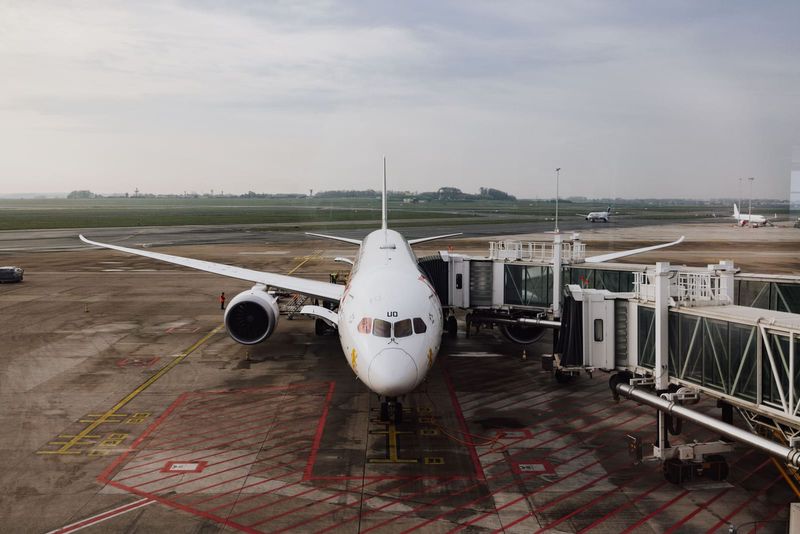
A Friday afternoon at Gatwick turned into an hours-long wait for thousands of travelers after a Boeing 787 Dreamliner rejected its takeoff roll on the airport's single runway. The aircraft, operated by Norse Atlantic Airways and bound for New York's JFK airport, experienced a technical issue that disabled it mid-departure, forcing emergency crews to respond and close the runway entirely.
The closure lasted 50 minutes while teams worked to tow the aircraft off runway 26L and conduct a full safety inspection before operations could resume. Gatwick confirmed the incident but offered few details beyond the technical nature of the problem. The airline has not publicly commented on what caused the crew to abort the takeoff.
The Single-Runway Bottleneck
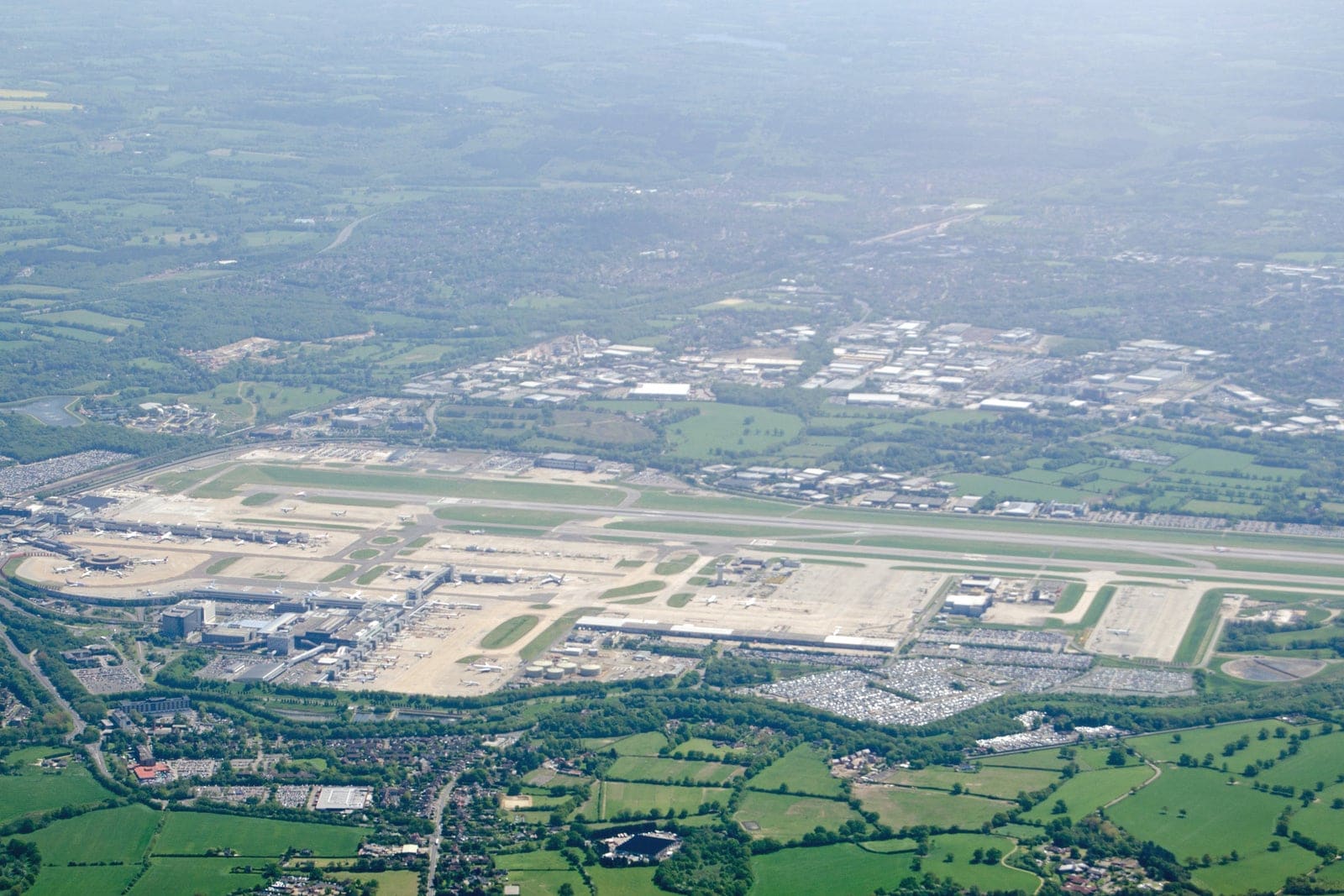
Gatwick operates with one runway at a time despite having two, a quirk of its layout that turns any on-runway incident into a system-wide disruption. The two runways sit too close together to allow simultaneous use, which means there is no backup when something goes wrong. On Friday, that vulnerability showed. By the time the runway reopened, more than 330 flights were facing delays, with an average wait of 57 minutes, according to flight tracking data.
Several inbound flights were diverted to other airports in the London area. Passengers who had been expecting to land at Gatwick found themselves touching down at Stansted or Luton instead, sometimes without the option to disembark. One traveler returning from the Isle of Man after jaw surgery described being exhausted and stuck on a plane that diverted to Luton. Another passenger, diverted to Stansted, expressed frustration at being held onboard rather than allowed to leave and make their own way to London.
Ripple Effects
The delays stretched into the evening as the airport worked to clear the backlog. Gatwick advised passengers to check their flight status directly with airlines, acknowledging that disruptions would continue for the rest of the day. For an airport that handled more than 40 million passengers in 2023, even a short closure can cascade into long waits and missed connections.
The incident highlights how dependent Gatwick is on its single operational runway. Unlike Heathrow, which can shift traffic between two runways during an emergency, Gatwick has no such flexibility. When an aircraft cannot move, nothing else can either. Friday's rejected takeoff was resolved relatively quickly, but the knock-on effects lingered, a reminder of how fragile the system can be when there is no room for error.
Rejected takeoffs are not uncommon in aviation. Pilots abort departures for a range of reasons, from engine warnings to speed discrepancies, and the decision is often made in seconds. What makes this incident notable is not the rejected takeoff itself but the location and timing. A single aircraft, stopped on a single runway, was enough to disrupt an entire day of travel for thousands of people.
What Happens Next
Gatwick has not indicated whether the Norse Atlantic flight will attempt to depart again or if passengers will be rebooked. The airport's focus remained on restoring normal operations and clearing the backlog of delayed flights. For travelers caught in the disruption, the experience was a sharp reminder that airport infrastructure and operational resilience matter just as much as ticket prices and departure times.
The incident also underscores the operational challenges facing airports that rely on single-runway configurations. While Gatwick has long discussed potential changes to its runway use, including proposals to bring its standby runway into regular service, those plans remain years away from implementation. In the meantime, any aircraft that cannot move becomes everyone's problem.