A Centuries-Old Ritual Under Pressure
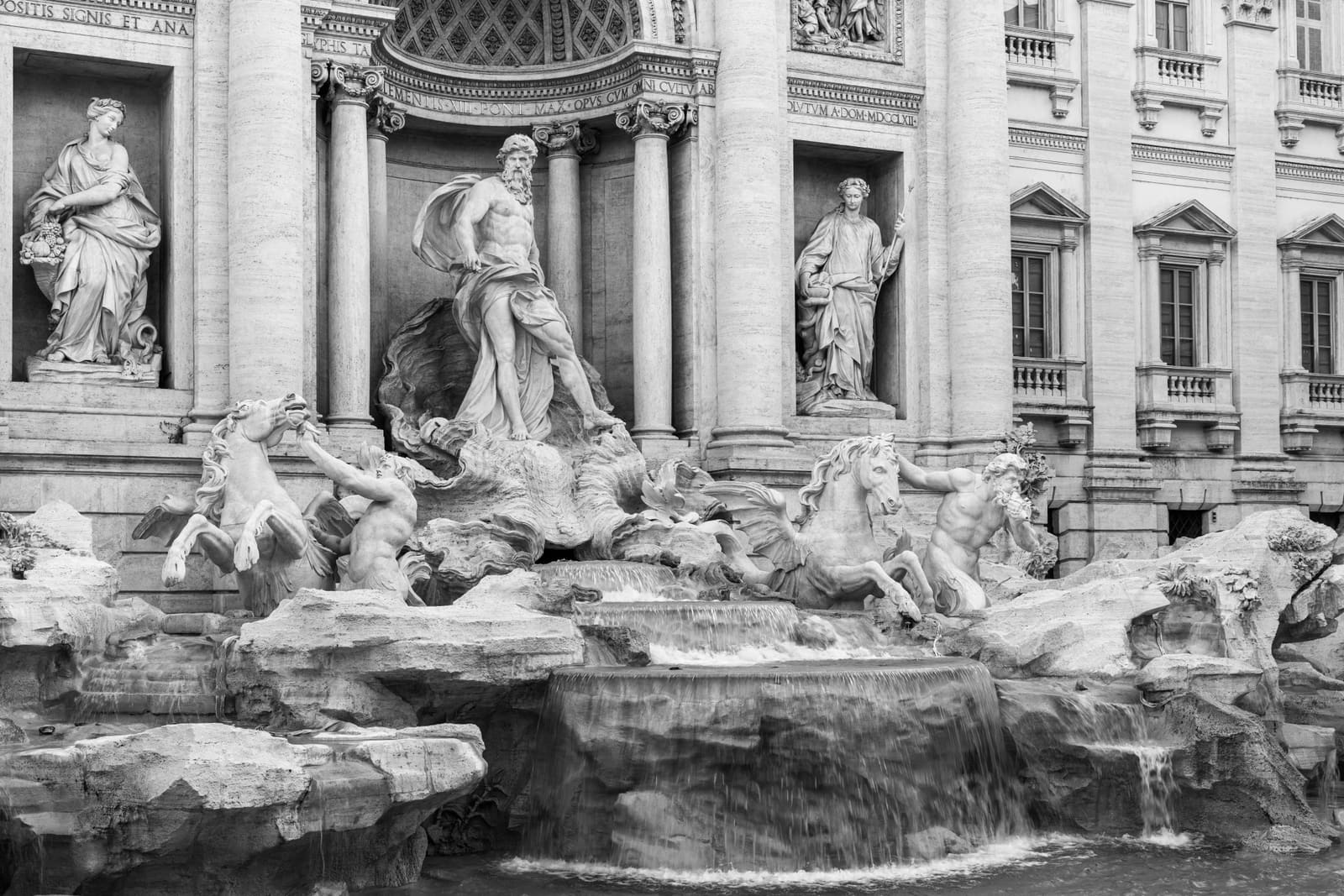
The ritual is simple: stand at the edge of Rome's Trevi Fountain, toss a coin over your left shoulder, and legend promises you will return to the city. For decades, that tradition has doubled as an inadvertent fundraiser, with a local charity collecting the submerged currency to pay for hot meals, medical consultations, and social services across the Italian capital.
But between January and September this year, the fountain yielded nearly €200,000 less than it did during the same stretch in 2025, according to estimates from Caritas Rome, the organisation that retrieves the coins. The charity has not yet tallied foreign currency, which means the final shortfall, due to be announced at year's end, could widen further.
The timing of the decline is hard to ignore. In February, Rome began charging non-residents €2 to descend to the fountain's basin during daylight hours, a measure designed to thin the throngs that had turned the Baroque monument into a bottleneck. The fee applies between 9am and 10pm; after dark, and from the upper piazza, access remains free.
Giustino Trincia, who directs Caritas Roma, acknowledged that the new barrier may be dampening participation. "The closure of direct access to the Trevi fountain might be a factor," he told local journalists, projecting that the year's total could fall by 10 to 15 per cent once all denominations are counted.
What the Numbers Mean
To understand the scale, consider that Caritas Rome collected more than €1.4 million from the fountain in 2022, a figure that has made the site one of the charity's most reliable income streams. That money underwrites thousands of meals each month and supports clinics that serve people without stable housing or health insurance.
A €200,000 gap, even before foreign coins are added to the ledger, translates to fewer funded services. The charity has not said whether it will need to cut programmes or seek alternative revenue, but the trajectory is clear: fewer coins in the water means less capacity on the ground.
The city, meanwhile, reports that the access fee brought in more than €435,000 in its first month alone. Officials project the initiative could add €6.5 million to municipal coffers annually, a sum earmarked for heritage maintenance and infrastructure. On paper, the trade-off looks straightforward: Rome gains predictable revenue while easing congestion at one of its most photographed landmarks.
Why Visitor Behaviour Shifted
The mechanics of the fee may offer clues. To reach the fountain's edge now, a day visitor must purchase a ticket, pass through a controlled entry point, and navigate a system that was not part of the experience a year ago. That added friction, however modest, appears to be enough to alter behaviour.
Some tourists may choose to view the fountain from the free upper level rather than pay for proximity. Others might skip the coin toss altogether, unsure whether the tradition still applies when access is ticketed. The ritual, after all, has always been spontaneous, a gesture made in passing rather than after queuing and paying.
There is also a psychological dimension. Throwing a coin into the fountain has long felt like a voluntary act, a private exchange between visitor and monument. Introducing a mandatory fee changes that dynamic, layering a transactional element onto what was once perceived as a gift. Whether that shift registers consciously or not, the outcome is measurable: people are throwing less money.
The Broader Context of Visitor Fees
Rome is far from alone in experimenting with paid access to manage over-visited sites. Venice has tested day-tripper charges, Barcelona has capped cruise arrivals, and a growing list of cities are asking whether free entry to iconic spaces is sustainable when visitor numbers outpace local infrastructure.
The Trevi Fountain fee sits within that wider reckoning. The monument had become a flashpoint for overtourism, with crowds spilling into surrounding streets and creating safety concerns. The city argued that a modest charge would thin the press of bodies while generating funds to protect the fountain itself, which requires constant maintenance.
But the Caritas data suggests that such measures carry second-order effects. The charity did not set out to lose revenue; it is simply a bystander to a policy aimed at crowd control. The fact that coin donations have fallen reveals how difficult it is to engineer visitor behaviour without unintended consequences.
Other cities watching Rome's experiment will want to pay attention. If paid access reduces spontaneous giving at heritage sites, then the trade-off is not just between congestion and revenue but also between municipal income and charitable funding. The latter often supports populations that municipal budgets do not reach, which means a decline in one can widen gaps in the other.
What Happens Next
Caritas Rome will release its full tally, including foreign currency, at the end of the year. That figure will offer a clearer picture of whether the drop is as steep as early estimates suggest or whether non-euro coins have cushioned the blow.
In the meantime, the city shows no sign of reversing the access fee. Officials have framed the policy as a success, pointing to smoother visitor flow and a new revenue stream that can be reinvested in heritage protection. Whether that calculus accounts for the charitable shortfall is less clear.
For now, the fountain still glitters with coins each evening, and tourists still pause to make their wish. But the numbers tell a quieter story: that even a small change in how people encounter a place can reshape what they choose to do there, and that the effects of managing crowds can ripple in directions no one anticipated.