A Basin That Collects Cold
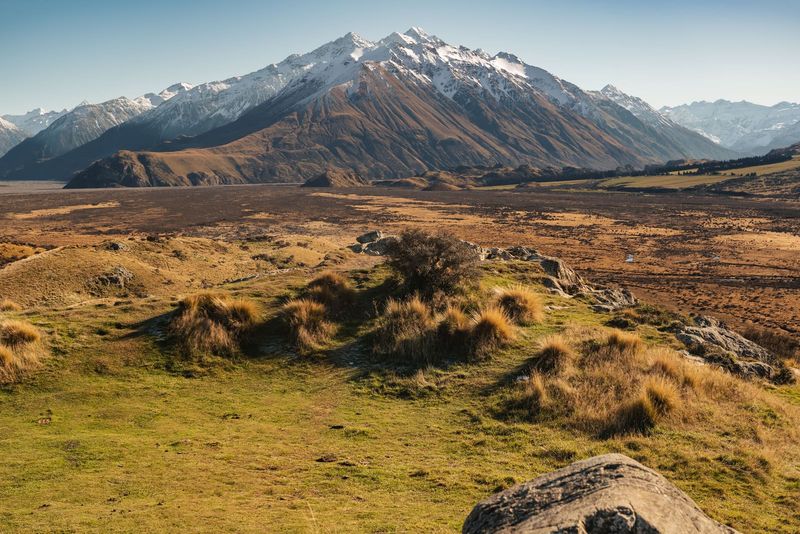
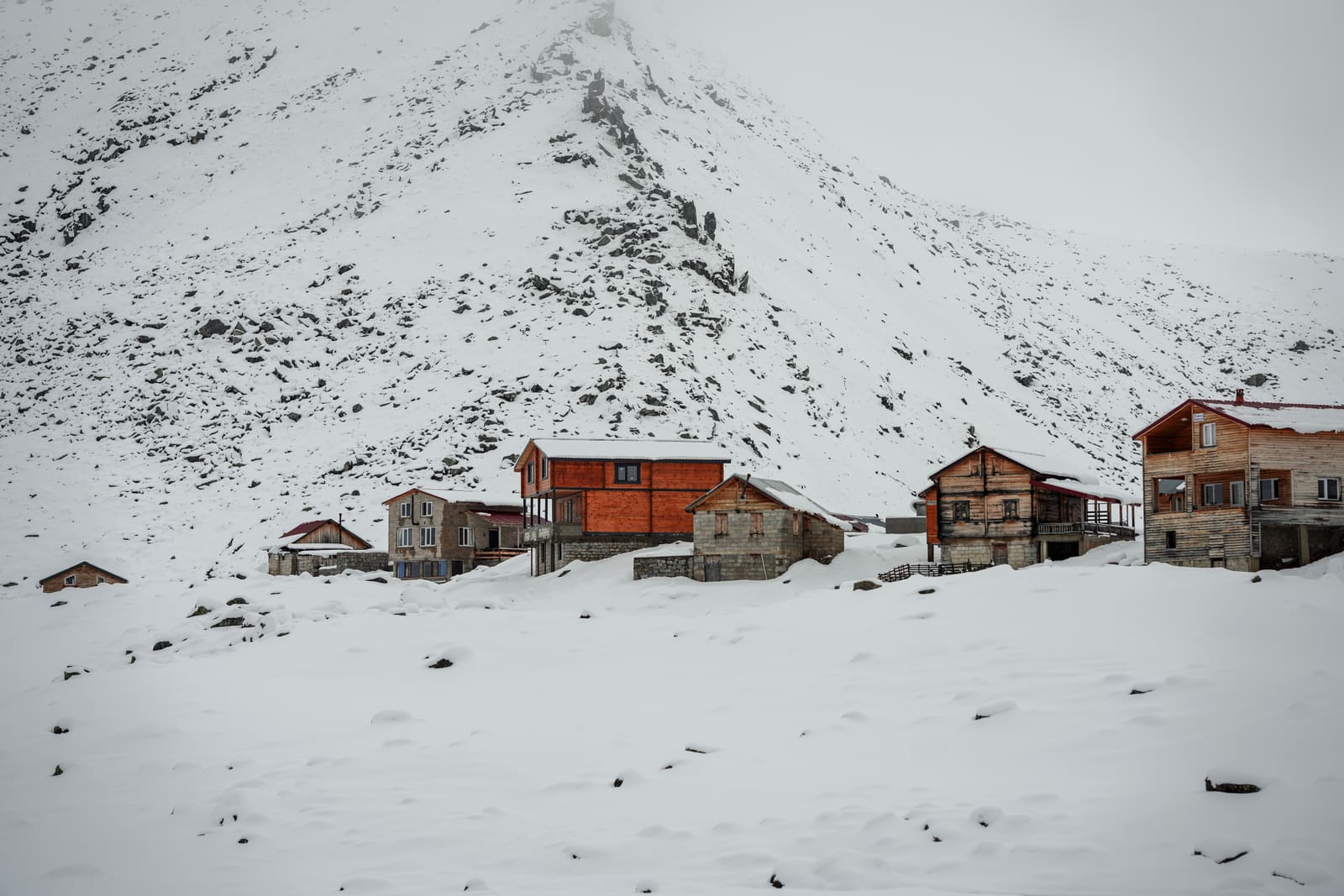
Oymyakon sits in a valley along the Indigirka River in Russia's Sakha Republic, south of the Arctic Circle. The village's extreme cold comes not from latitude alone but from topography. Mountains surrounding the basin trap cold air in winter, which descends the slopes and settles on the valley floor with nowhere to escape.
The World Meteorological Organization recorded −67.8°C on 6 February 1933 at nearby Tomtor. The same low was measured in Verkhoyansk, another Sakha Republic settlement. A monument in Oymyakon displays −71.2°C, a figure from an expedition led by Soviet geologist Sergei Obruchev, though that reading remains outside the official archive.
At the winter solstice, the sun rises after 10am and sets before 3pm, leaving roughly four and a half hours of daylight. The combination of minimal sun and trapped air makes Oymyakon one of the coldest permanently inhabited places on the planet.
Adapting to the Freeze
For residents, cold shapes every part of daily life. Homes are heated with wood-burning stoves. Indoors, people wear boots made from reindeer hide to keep their feet warm, a detail that underscores how deeply the cold penetrates even insulated spaces.
Local farmers raise Yakut cattle, a breed hardy enough to graze outside in freezing conditions. Yet even these animals require shelter when temperatures fall below −30°C. Trucks left overnight in heated garages can still struggle to start in the morning, their engines sluggish despite protection from the worst of the freeze.
Why People Stay
Oymyakon is not a research station or a temporary camp. It is a village with a permanent population, people who have built lives in a place where the thermometer regularly plunges to depths most of the world never experiences. The reasons are rooted in history, culture and livelihood. The Sakha Republic has been home to indigenous groups for centuries, and traditional practices such as reindeer herding and cattle farming remain central to the local economy.
The cold is a fact, not a deterrent. Residents know the rhythms of the season, when to bring animals in, when to stockpile fuel, how to dress for a walk that lasts minutes but could turn dangerous if clothing fails. The knowledge is passed down, adapted, refined with each generation.
A Landscape Shaped by Extremes
The scenery around Oymyakon in winter is stark. Snow-covered trees stand motionless in air so cold it feels solid. The mountains that create the cold also frame the valley in a kind of austere beauty. Visitors who make the journey often describe the silence, the way sound seems to freeze along with everything else.
Tourism to Oymyakon remains limited, constrained by logistics and the very cold that defines the place. Those who do visit come prepared, aware that the cold is not an attraction to be observed from a distance but a force that demands respect and preparation.
The village's reputation has grown in recent years, partly through photography and reporting that document daily life in one of Earth's most extreme inhabited environments. Yet for the people who live there, Oymyakon is simply home, a place where the cold is not an anomaly but the baseline against which everything else is measured.