The Timing Problem
The busiest travel week in the United States is colliding with a cascade of operational failures and weather systems on both coasts. Recent technical disruptions at United Airlines and Delta Air Lines have left hundreds of flights delayed, whilst a storm brewing along the Eastern Seaboard is forecast to peak on Thanksgiving Day itself.
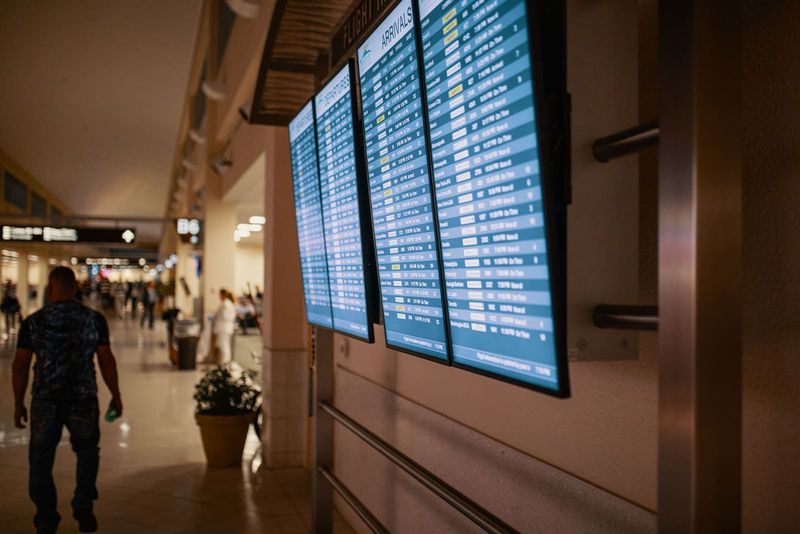
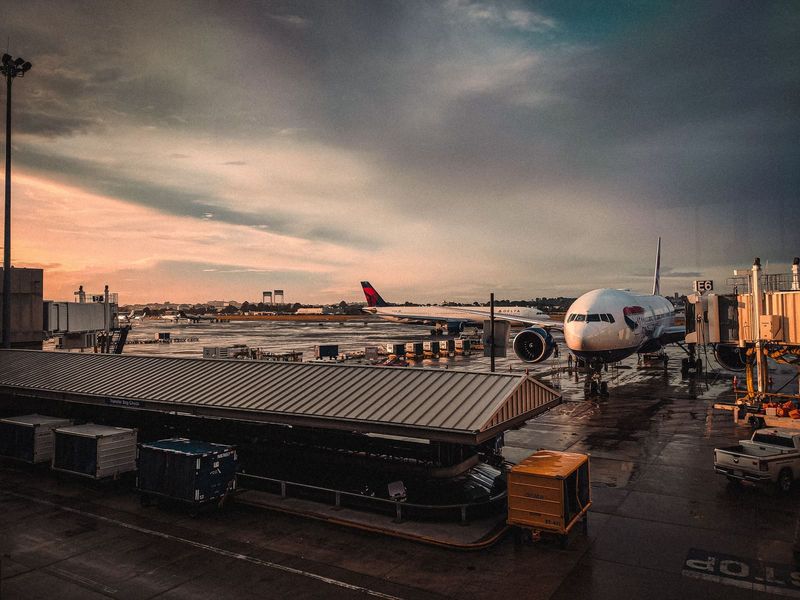
Delta confirmed that more than 1,000 flights were delayed after an automated system used to calculate aircraft weight malfunctioned. The airline said operations had stabilised, though travellers remain wary after a Federal Aviation Administration network failure earlier this year triggered the longest nationwide ground stop in a quarter century.
The timing matters because volume is unusually high. Hopper, a travel booking firm, reported in late October that roundtrip domestic airfares for Thanksgiving had climbed by more than a third year-on-year, yet demand has not softened. Airports are bracing for record crowds, and even small disruptions can ripple across networks already running near capacity.
What the Storm Will Do
A low-pressure system is forming off the Carolina coast and is expected to track northward through the week. The National Weather Service's Weather Prediction Center anticipates severe rain and strong winds beginning along the Carolinas on Wednesday night, moving over New York City on Thursday, and reaching Maine by Friday.
The storm's path means the heaviest impacts will land on Thanksgiving Day rather than the peak travel days before or after, which may limit cascading delays. Rain is expected to hold off in New York until after the Macy's Thanksgiving Day Parade concludes, though wind speeds remain uncertain. City regulations prohibit full-size parade balloons if sustained winds exceed 23 mph or gusts surpass 35 mph.
On the West Coast, rain and gusty conditions are forecast from Washington state to Southern California. Coastal flooding is predicted to reach moderate to severe levels due to king tides that may break records. Snow is expected at higher elevations in the Pacific Northwest and northern California, as well as in the Rockies, northern Michigan, western New York, and northwestern Pennsylvania.
The Passenger Perspective
Travellers are arriving early and lowering expectations. Herbert Tobias, waiting at Newark's Liberty International Airport, recommended allowing the full three hours airlines suggest, noting that nearly everyone is on the move. Chianti Blackmon, a college administrator passing through Atlanta, said patience is easier when airlines provide context about what is causing delays.
The tension is not just about inconvenience. Randi Berman, who spent 35 years working for an airline, said she accepts that holiday travel comes with delays, adding that safety takes priority over schedule. Her daughter Lexa was travelling with her from New Jersey back to Las Vegas, hoping for calm conditions but prepared for disruption.
The Weather Prediction Center advised passengers to check with airlines and local airports for possible delays, noting that weather is unlikely to be a significant factor except on Thanksgiving Day itself and possibly into Friday morning if delays cascade.
Why It Compounds
The convergence of technical and meteorological problems is not coincidental in its impact. Airlines operate on thin margins during peak periods, and any single failure can exhaust the buffer built into schedules. A weight-calculation system going offline is a narrow technical problem, but when it happens during the year's highest-volume week, the consequences multiply.
Weather introduces a second variable that airlines cannot control. A storm that peaks on Thanksgiving Day will disrupt operations at major hubs along the East Coast, but because it arrives after most passengers have already travelled, it may strand people at their destinations rather than prevent them from arriving. That shifts the problem to return travel over the weekend, when airlines will need to re-accommodate passengers on flights that are already fully booked.
The cost of airfares reflects this tightness. A 33 per cent year-on-year increase suggests that seat supply has not kept pace with demand, which means there is less flexibility to rebook passengers when delays occur. The system is running close to capacity, and both technical failures and weather are testing how much strain it can absorb before breaking down.