When Flights Stop, Bookings Follow
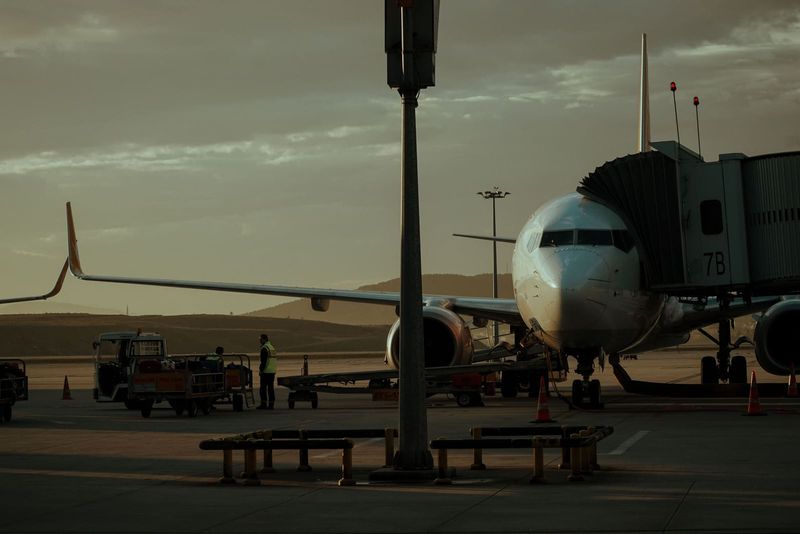
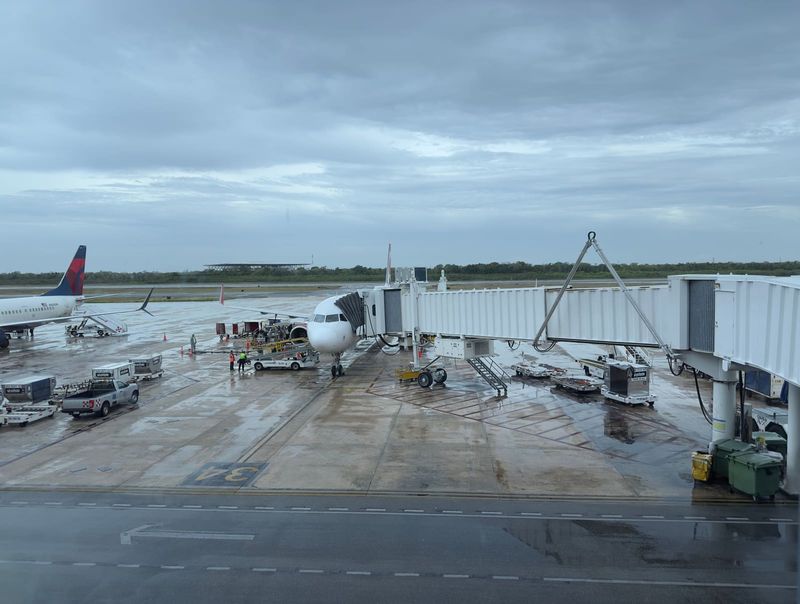
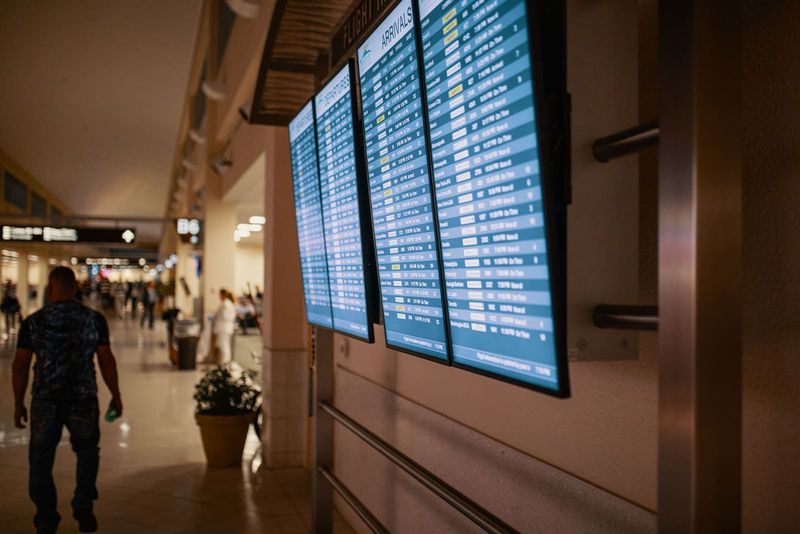
On 13 November, a network failure at the Federal Aviation Administration forced the longest nationwide ground stop in a quarter-century. The disruption lasted hours, stranding passengers and delaying thousands of flights. But the fallout may stretch far beyond that single day. A survey conducted in the days immediately after found that 37 per cent of leisure travellers and 31 per cent of business travellers now say they are somewhat or significantly less likely to fly in the next 12 months.
The poll, carried out by Morning Consult between 16 and 17 November among 2,200 US adults, offers a snapshot of eroded confidence. If one-third of would-be flyers skip even a single trip in 2027, the result would be roughly 21 million fewer journeys and a $26 billion drop in travel spending, according to estimates from the US Travel Association.
What It Means for Hotels and Destinations
When air travel stumbles, the ripple reaches hotels quickly. Brett Horton, chief advocacy officer at the American Hotel & Lodging Association, pointed out that disruptions of this kind hit lodging revenue almost immediately. During a government shutdown preceding Thanksgiving last year, when funding shortfalls forced the FAA to cut hundreds of flights, the association estimated the US economy lost $31 million per day in hotel business alone.
The current climate compounds the problem. Cost concerns dominate consumer thinking, Horton noted, referencing affordability as the top issue in recent midterm elections. Families who might have travelled to visit relatives over the holidays and booked a hotel or a flight are now reconsidering or simply unable to make the trip. The combination of rising costs and unreliable infrastructure creates a fragile landscape for the industry.
Bipartisan Appetite for Infrastructure Spending
The survey also revealed broad public support for modernising air traffic control systems. Seventy-six per cent of Republican respondents and 64 per cent of Democrats favour Congress approving additional funding to upgrade the technology that keeps planes moving. The November ground stop underscored how outdated systems can fail under pressure, and the public appears ready to see investment flow toward fixing the problem.
Geoff Freeman, president and chief executive of the US Travel Association, framed the issue as a question of economic urgency. He warned that Congress risks turning temporary lost confidence into lasting economic damage if it delays action. The association is pushing the incoming 2027 Congress to reauthorise and fully fund Brand USA, the country's destination marketing organisation, after projecting that inflation-adjusted international visitor spending will fall nearly $11 billion in 2026.
Countdown to Another Shutdown Risk
The hotel industry is also watching a looming 11 December funding deadline. If Congress fails to extend government funding, another shutdown could hit during one of the busiest travel periods of the year. Horton said the ripple effects of a shutdown are immediate and substantial, affecting everything from airport staffing to traveller confidence.
Despite the sombre projections, hotel executives struck an optimistic tone during third-quarter earnings calls, and travel experts had noted strong consumer desire to travel over the holidays before the mid-November disruption. Whether that optimism holds will depend in part on whether the infrastructure that travellers rely on proves reliable in the weeks ahead.