A Listing Plan That Survives Turbulence
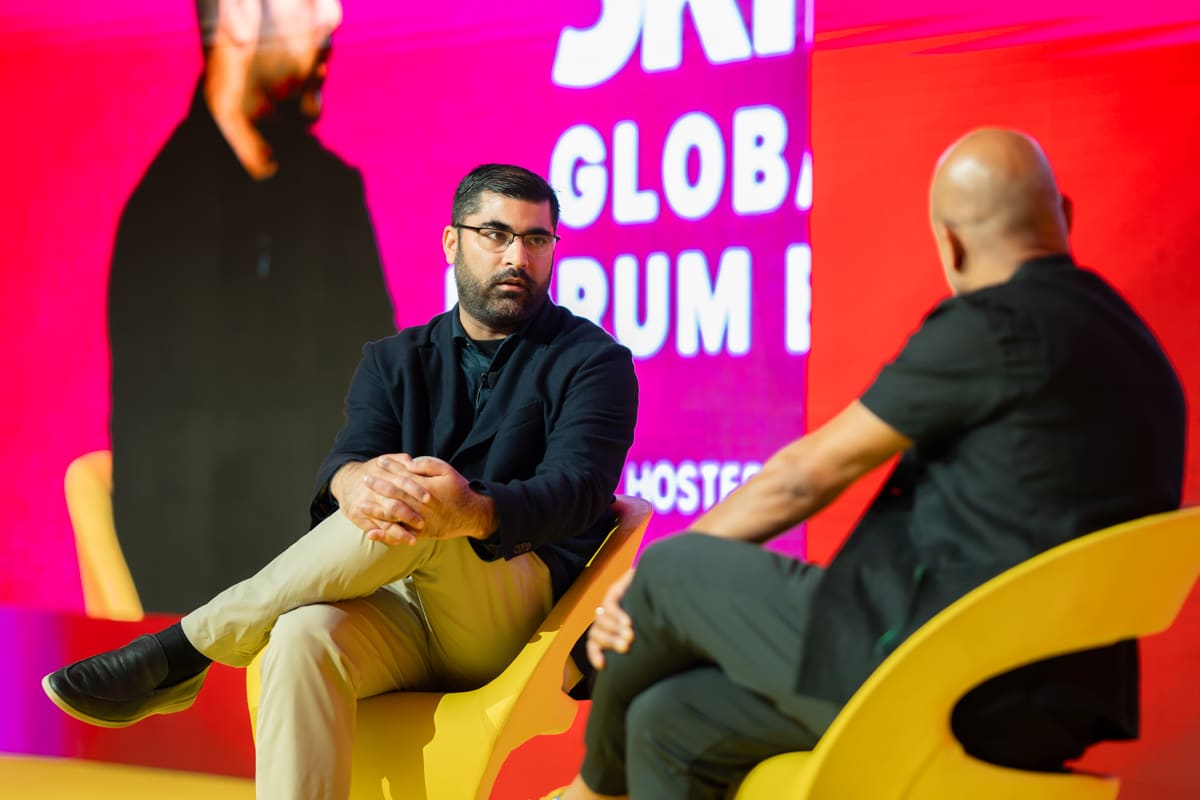
Almosafer, the travel platform that handles more Saudi bookings than any competitor, is sticking to its plan for a stock-market debut before 2026 ends. The company's parent, Seera Group, has long targeted a listing on the Tadawul main exchange, and CEO Muzzammil Ahussain says that timeline remains intact even as war between the United States and Iran freezes much of the region's cross-border travel.
The move will be a secondary offering, meaning existing shareholders sell stakes rather than the company raising fresh capital. Ahussain describes Almosafer as already well-funded, with a balance sheet strong enough to weather the current climate without needing an injection of cash. Proceeds will flow back to Seera Group.
No exact date has been set. Almosafer is working on internal readiness while watching how the market behaves, a careful dance in a year when Saudi Arabia has seen only two small companies list on the main board. The Iran conflict has chilled investor appetite across the Gulf, and travel companies face an especially tough pitch when outbound bookings have collapsed.
Domestic Demand Steps In
The war hit outbound travel first and hardest. Saudis who might have flown to Europe or Southeast Asia are staying closer to home, and corporate travel has softened as government and business clients cut back. Almosafer has felt that shift, but it has also benefited from the other side of the equation: domestic tourism is growing, and the Saudi government has poured billions into building destinations that keep travelers inside the kingdom.
Makkah remains the anchor, drawing millions of pilgrims year-round. The Red Sea Project, a luxury resort zone on the western coast, is opening its first properties. Qiddiya, a vast entertainment complex near Riyadh, is under construction and expected to pull in visitors once complete. These projects are not just marketing slides; they represent real infrastructure that can absorb demand when international routes are uncertain.
Almosafer's business model spans flights, hotels, packages, and corporate travel. The domestic piece has become more important in the past year, a hedge against volatility in outbound and inbound flows. The company is not alone in this pivot. Across the Gulf, travel platforms are recalibrating toward regional and domestic offerings, trying to insulate themselves from geopolitical shocks that make longer-haul travel feel risky.
The Vision 2030 Bet
Saudi Arabia's Vision 2030 plan calls for tourism to account for ten percent of GDP, up from about three percent historically. The government wants 150 million visitors a year by the end of the decade, a target that requires not just awareness but bookable inventory and seamless logistics. Almosafer sits at the center of that ambition, the platform that could turn interest into confirmed reservations.
But awareness does not automatically convert to bookings. The kingdom has spent heavily on marketing and on visa liberalization, making it easier for tourists from dozens of countries to visit. What remains less clear is whether the mix of experiences on offer, from heritage sites to beach resorts to urban entertainment, can compete with more established destinations in the region and beyond. The war complicates that question, because even travelers curious about Saudi Arabia may hesitate if they perceive the neighborhood as unstable.
Almosafer's ability to list successfully will depend in part on whether investors believe the domestic story can carry the company through a period when inbound and outbound travel are both under pressure. The IPO market in Saudi Arabia has been quiet this year, and travel is not the sector most investors rush toward when conflict is active. Yet the company's scale and its alignment with government priorities give it advantages that smaller players lack.
Corporate Travel and the Recovery Question
Corporate travel, a historically steady revenue stream, has weakened. Government clients and large companies have reduced travel budgets, a rational response to both the war and broader economic caution. Almosafer has not detailed a specific recovery plan for this segment, but the path likely involves waiting for the conflict to de-escalate and for corporate confidence to return. In the meantime, the platform can lean on leisure bookings, both domestic and whatever inbound traffic continues to flow.
The timing of the listing will matter. A market debut in the fourth quarter of this year would put Almosafer in front of investors during a period of uncertainty, but it would also mean the company can raise its profile and establish a public valuation before conditions potentially worsen. If the war drags on or spreads, waiting could mean missing the window entirely. If peace talks gain traction, an earlier listing might look premature in hindsight. Seera Group and Almosafer are threading that needle now, balancing internal preparation with external signals.
The broader question is whether Saudi Arabia's tourism infrastructure can mature fast enough to make the domestic story convincing on its own. Almosafer is betting it can, and that bet will soon face the scrutiny of public markets.