No New Travel Restrictions
The UK Foreign, Commonwealth and Development Office has not issued fresh advisories against travel to Turkey in connection with recent Middle Eastern tensions. Existing guidance remains unchanged: avoid areas within 10 kilometres of the Syrian border, where conflict and elevated terrorism risks persist.
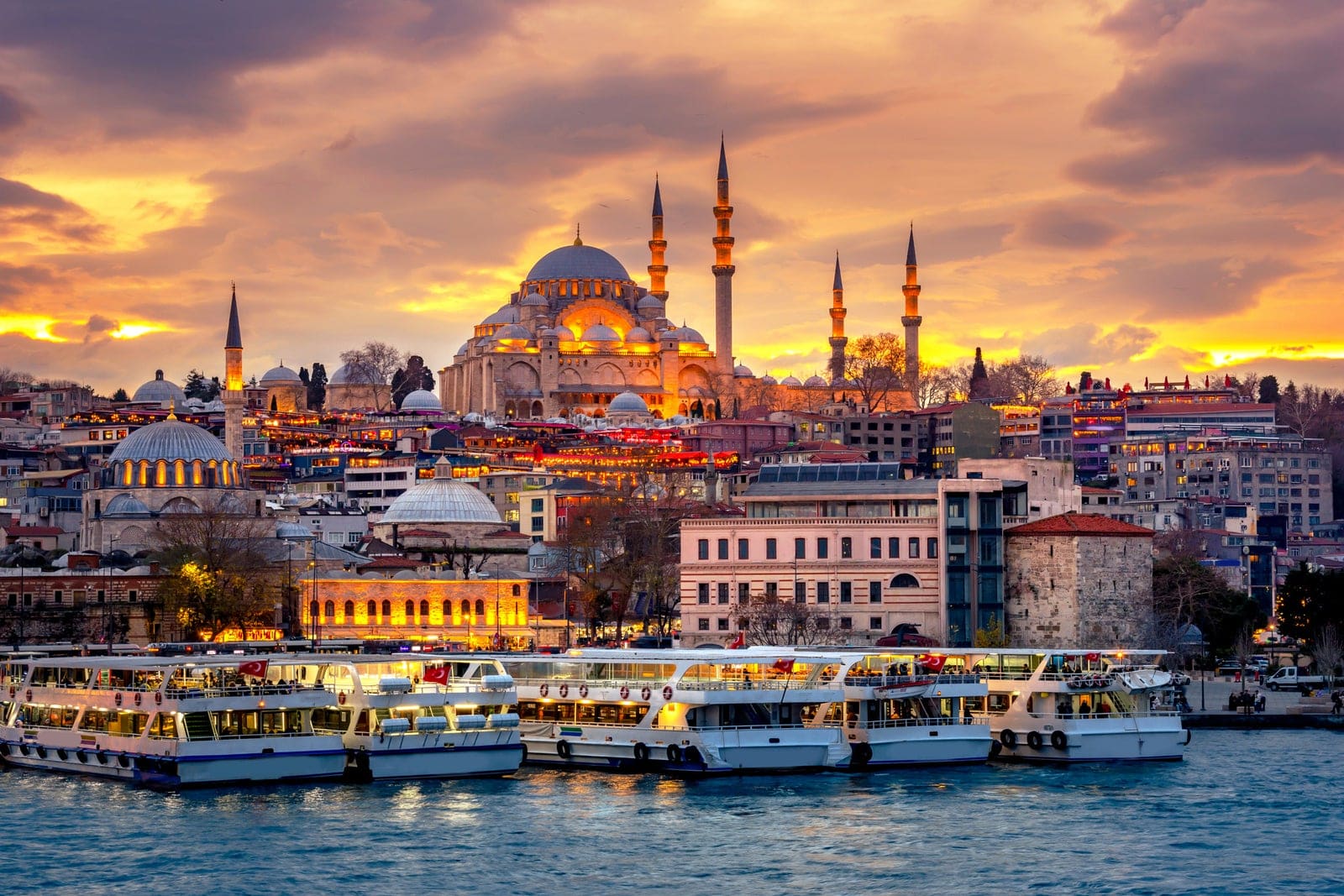
Turkey's main tourist destinations - Istanbul, Antalya and Bodrum - sit several hundred kilometres from conflict zones. Flights to major airports continue to operate with minimal disruption, according to flight-tracking data.
The FCDO notes that the United States and Iran have signed a memorandum of understanding related to regional tensions, though the situation remains fluid. Travellers in the broader Middle East should anticipate possible flight cancellations, temporary airspace closures and other disruptions.
Border Access and Entry Rules
Turkey's land crossing with Iran remains open to British and Iranian passport holders, who can enter visa-free for stays of up to 90 days. British nationals planning to cross from Iran into Turkey must request facilitation from the British Embassy in Ankara before reaching the border, the FCDO states.
The warning is clear: entering Iran carries significant risk. British passport holders or those with perceived UK connections face potential detention by Iranian authorities on those grounds alone.
Speech and Conduct Laws
On 20 September, the FCDO updated its guidance to emphasise Turkish laws that criminalise insults to the nation, the national flag, the president or Mustafa Kemal Atatürk, the republic's founder. These statutes apply to online comments and images regardless of when or where they were posted. Defacing Turkish currency is also illegal.
Violations carry prison sentences ranging from six months to three years. The reminder underscores the legal exposure travellers face for conduct that might pass unnoticed elsewhere.
LGBTQ+ Considerations
Same-sex activity is legal in Turkey, yet the social landscape is uneven. Many areas remain deeply conservative, and public displays of affection between same-sex couples can draw unwanted attention.
On 15 September, Turkish authorities conducted coordinated raids on LGBTQ+ organisations and gathering places, detaining dozens of activists and members. Justice minister Akin Gurlek described the operation as necessary to protect children, families and public order.
In July, a Virgin Voyages cruise ship carrying LGBTQ+ passengers was denied permission to dock at Kusadasi. Local officials called the passengers incompatible with societal and moral standards. The incidents signal a tightening environment for LGBTQ+ visitors, even as the law itself does not prohibit same-sex relationships.
Practical Implications
Because the FCDO has not advised against non-essential travel to Turkey, standard cancellation policies apply. Travellers who wish to postpone or cancel trips will need to negotiate directly with tour operators or airlines; no automatic right to a refund exists, and travel insurance will not cover claims based solely on regional tensions unless official guidance changes.
Turkey remains a significant draw for British holidaymakers, with established routes and infrastructure connecting the two countries. The current advice reflects a balance: the country is open and accessible, but visitors should stay alert to both regional volatility and local legal and social norms that may differ sharply from home.