Storm Intensifies Off Pacific Coast
Hurricane Polo has strengthened into a Category 5 system with sustained winds reaching 180 mph, according to the National Hurricane Center in Miami. The storm is tracking along Mexico's southwestern Pacific coast, where it threatens to bring heavy rainfall, dangerous surf and potential flooding despite forecasts suggesting it will remain offshore.
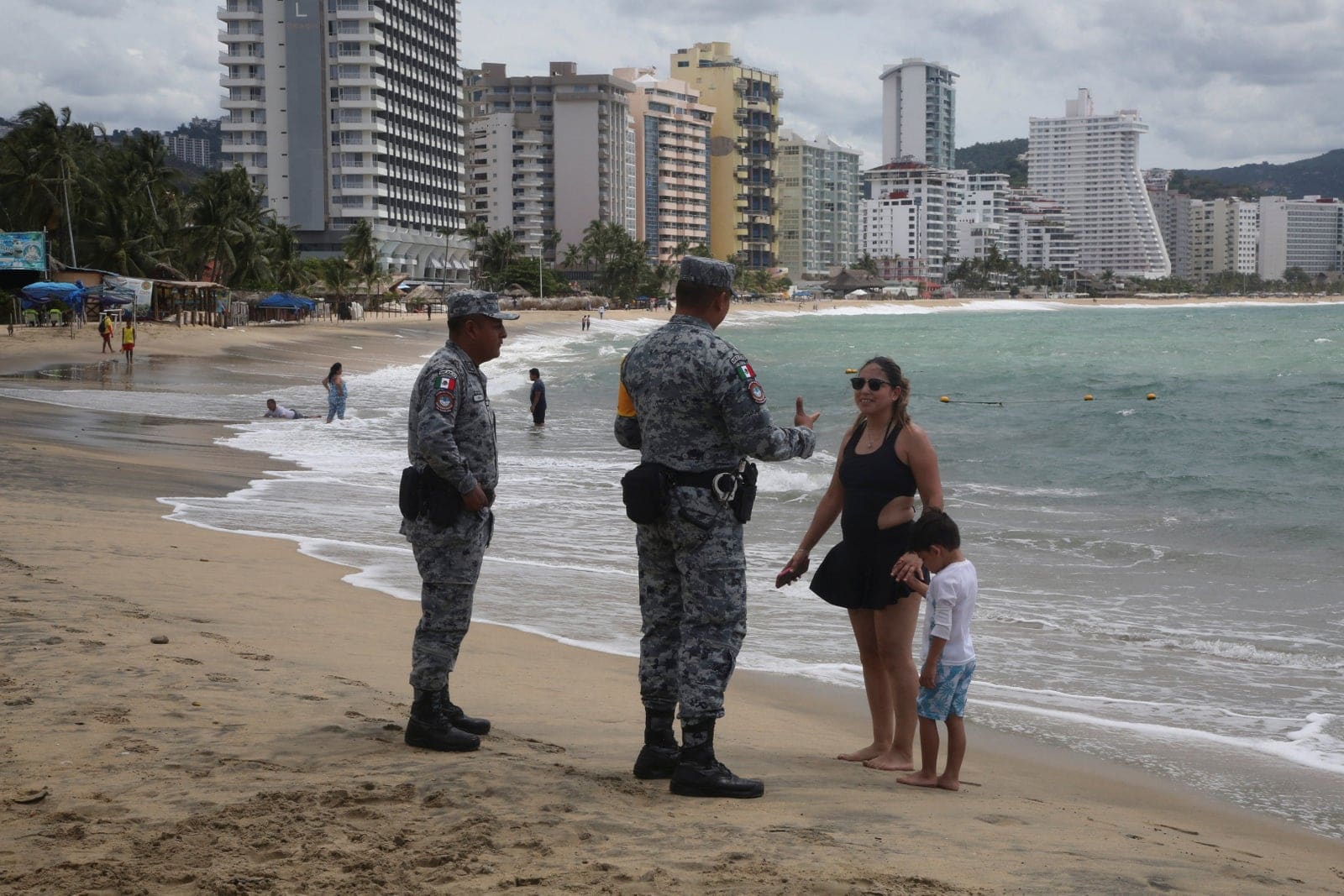
A tropical storm warning covers coastal sections of Guerrero, Michoacán and Oaxaca. The Mexican meteorological agency projects wind gusts between 60 and 80 km/h in Michoacán and Guerrero, with waves reaching five to six metres. Oaxaca can expect waves of two to three metres.
The Category 5 classification represents the highest intensity on the Saffir-Simpson scale. Current data indicate Polo will maintain this strength over the coming days, fuelled by warm El Niño ocean waters that provide energy to tropical systems.
What Travellers Should Know
No travel restrictions have been issued specifically in response to Polo. Regional airports have not reported significant disruption, though the US embassy in Mexico has cautioned that flight schedules could change. Passengers with bookings in the affected region should confirm their travel plans directly with airlines.
The UK Foreign Office maintains standing advisories against non-essential travel to portions of several Mexican states, including parts of Guerrero and Michoacán. Those warnings predate the current storm and relate to concerns about crime and violence rather than weather conditions.
For travellers already in Mexico or planning imminent trips, the Foreign Office recommends monitoring updates from the National Hurricane Center and Mexico's meteorological service. Local authorities may issue evacuation orders or shelter-in-place guidance for specific coastal communities, and visitors should follow those instructions.
The Insurance Question
Because no new government advisory has been triggered by Polo, standard cancellation policies apply. Tour operators and accommodation providers are not obligated to offer refunds if travellers choose not to go, and most travel insurance policies will not cover cancellations based on weather forecasts alone.
Some insurance products include natural disaster provisions that activate when an event physically prevents travel to a destination. Whether Polo qualifies depends on policy wording and whether the storm directly affects transport routes or accommodation. Travellers concerned about their bookings should review their policy documents and contact insurers for clarification.
The situation underscores a persistent tension in travel planning: weather systems can shift quickly, but the frameworks for changing or cancelling trips often move slowly. A hurricane that stays offshore may cause minimal disruption, or it may veer toward land with little warning.
Hurricane Season Context
Polo's arrival falls within the eastern Pacific hurricane season, which runs from May through November. The region typically sees several major storms each year, though Category 5 systems remain relatively rare. Warm ocean temperatures this year, linked to El Niño patterns, have created favourable conditions for storm intensification.
Coastal communities in Guerrero, Michoacán and Oaxaca have experience managing hurricane threats. Local infrastructure includes early warning systems and designated shelters, and residents in vulnerable areas often prepare well before storms approach. For visitors unfamiliar with tropical weather, however, the speed at which conditions deteriorate can be startling.
Heavy rainfall poses particular risks in mountainous terrain, where saturated soil can give way in mudslides. Even if Polo remains at sea, its outer bands can dump significant precipitation inland, raising flood risks in valleys and low-lying areas.
Looking Ahead
Forecasters expect Polo to maintain its current trajectory parallel to the coast. If that track holds, direct landfall becomes unlikely, though the storm's size means its effects will still be felt onshore. Shifts in steering currents or changes in ocean temperatures could alter the path, so continued monitoring remains essential.
Travellers with flexible plans may choose to delay trips until the storm passes and conditions stabilise. Those already in the region should identify their nearest shelter, keep devices charged and have contingency plans for potential evacuation. Tour operators and hotels in affected areas typically have established protocols for severe weather and can provide guidance to guests.
The next few days will clarify whether Polo weakens, maintains intensity or shifts direction. For now, the focus remains on preparation rather than panic, and on ensuring that both residents and visitors have the information they need to stay safe.