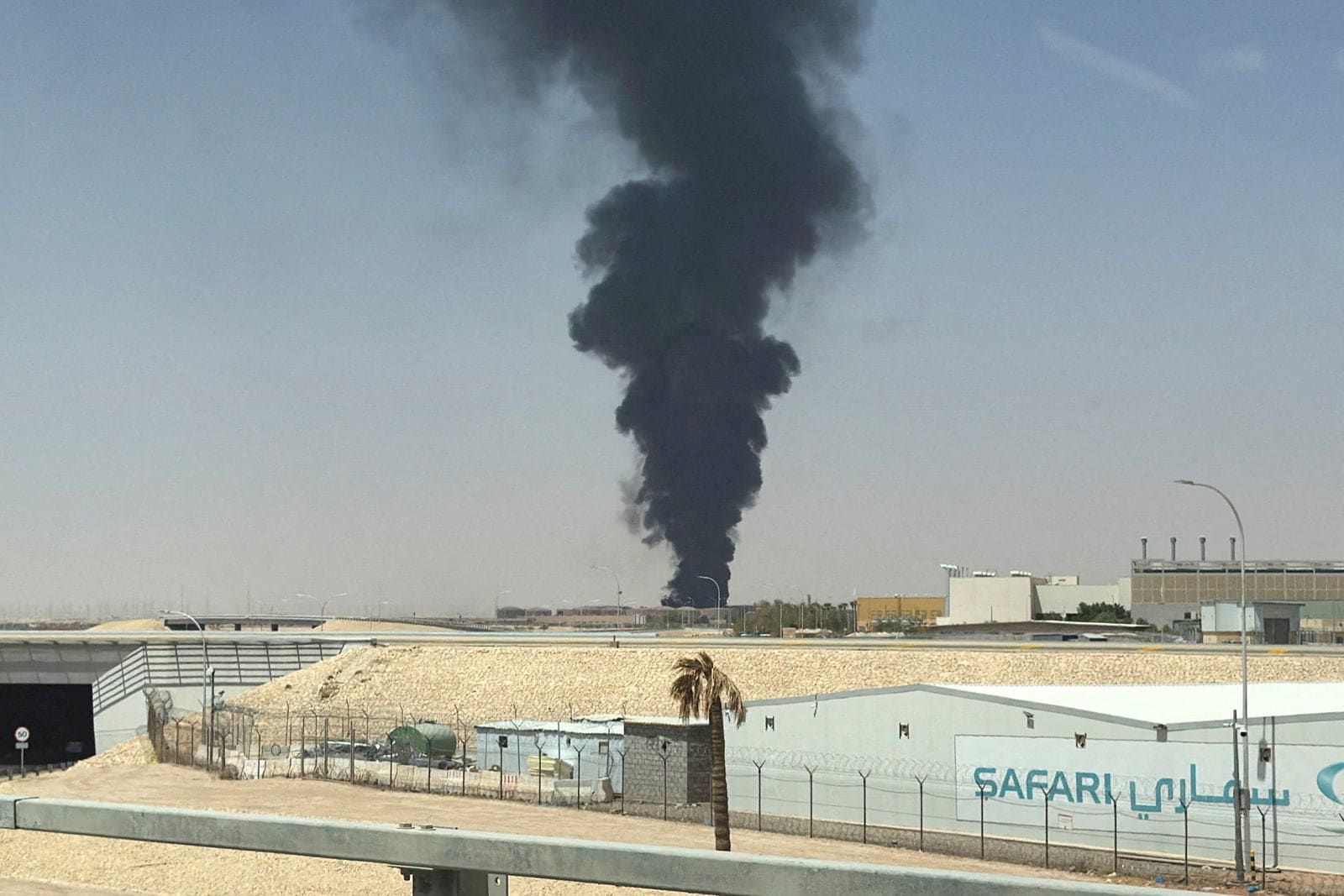
Strikes Ground Flights in Riyadh
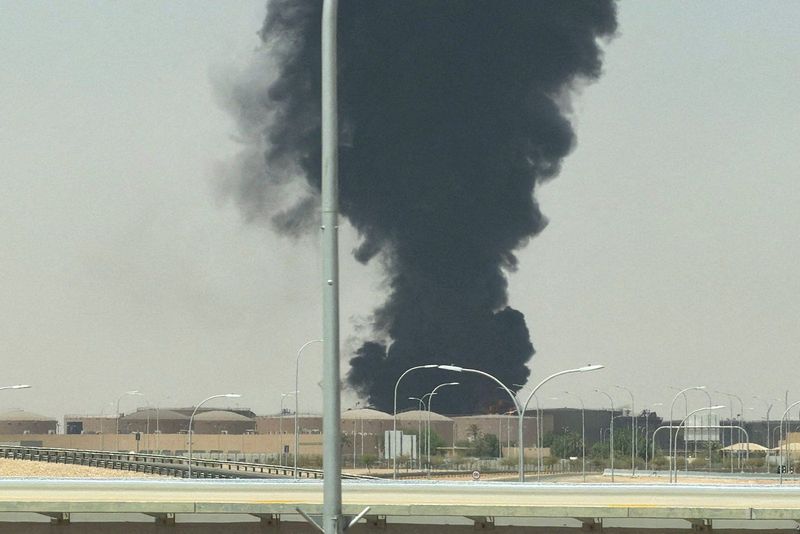
Black smoke rose from fuel storage tanks near Riyadh's international airport on Saturday, forcing temporary flight disruptions at one of the region's busiest travel hubs. Yemen's Houthi movement claimed responsibility for strikes on the Saudi capital, the latest incident in escalating hostilities that now directly affect civilian air travel.
The attacks followed a Houthi offensive near the Bab el-Mandeb strait, a narrow waterway critical to regional shipping routes, particularly for Saudi oil exports. The Iranian-backed group has expanded its operations to include strikes on civilian airports inside Saudi Arabia, shifting the conflict into infrastructure that travellers depend on.
Security Warnings Span 11 Countries
The US State Department has issued security alerts through 11 embassies across the Middle East, covering popular destinations including the United Arab Emirates, Qatar and Jordan. The department now advises Americans outside the region to "seriously reconsider travel to and through the region", citing the potential for rapid escalation and unforeseen disruptions.
For those already in the Middle East, the State Department recommends heightened vigilance and close monitoring of airport operations. Flight cancellations and airspace closures remain possible as tensions continue, with no clear timeline for when normal operations might resume.
Five countries currently carry the highest-level "do not travel" warning from the US government: Iran, Iraq, Lebanon, Syria and Yemen. Another nine have been assigned an orange-level "reconsider travel" advisory: Bahrain, Israel, the West Bank and Gaza, Jordan, Kuwait, Oman, Qatar, Saudi Arabia and the UAE.
What Travellers Should Watch
The State Department has flagged several specific risks. Military conflict in the region remains fluid, with the potential to escalate quickly and without warning. Airspace restrictions can be imposed with little notice, stranding passengers or forcing lengthy reroutes.
US diplomatic facilities have also been identified as potential targets, including those outside the Middle East. The warning extends to businesses and institutions associated with the United States, suggesting that travellers should avoid congregating near American-branded hotels, restaurants or other recognisable US establishments in affected areas.
Iran's military command stated on Sunday that any further attacks would trigger sustained retaliation against US military bases and regional interests, and that Washington's allies in the region would be considered parties to the conflict. That statement widens the geographic scope of potential disruption, affecting countries that have so far remained on the periphery of direct hostilities.
The Broader Travel Picture
The Middle East has long been a crossroads for international air travel, with major hubs in Dubai, Doha and Abu Dhabi serving as connectors between Asia, Europe and Africa. Disruptions in one country can ripple across the region, affecting not just point-to-point travel but also passengers in transit.
Airlines operating in the region have faced similar challenges before. In 2020, tensions between the US and Iran led to temporary airspace closures and rerouted flights. The current situation carries echoes of that episode, though the involvement of multiple actors and the targeting of civilian airports add layers of complexity.
For now, travellers with plans in the Middle East face a choice between cancelling or postponing trips and proceeding with close attention to real-time updates. Travel insurance policies vary in their coverage of conflict-related disruptions, so checking terms before departure is advisable.
The State Department's advice stops short of a blanket travel ban but makes clear that conditions remain unpredictable. Those who choose to travel should have contingency plans, including alternative routes and the flexibility to change plans on short notice.