No Change to Official Guidance
The UK Foreign Office has maintained its existing travel guidance for the United Arab Emirates, last revised on 18 June, despite recent military activity in neighbouring Saudi Arabia. The guidance no longer advises against non-essential travel to the UAE, a position that remains current as of 21 September.
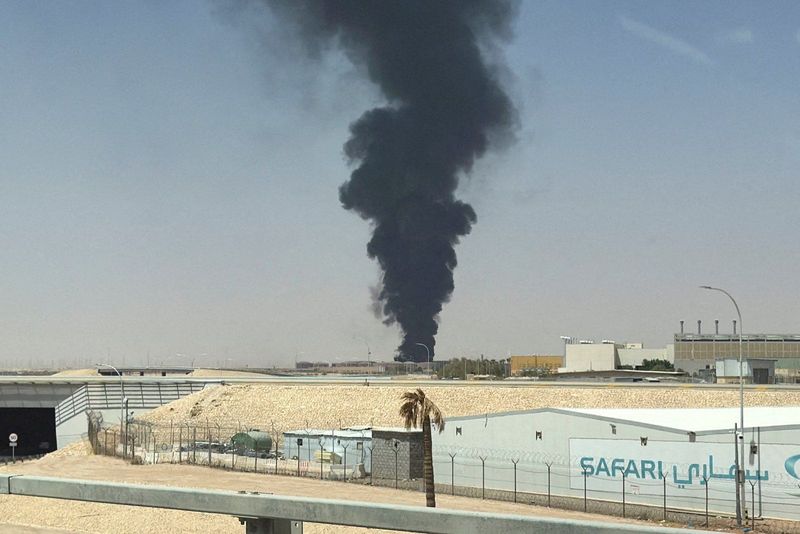
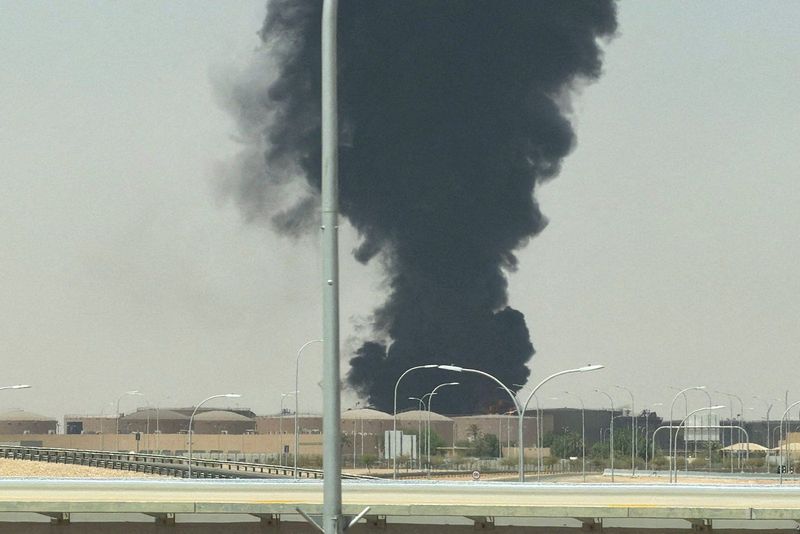
Iran-backed Houthi forces have intensified operations against targets in Saudi Arabia, including reported strikes on the capital Riyadh over the weekend. A Saudi military aircraft was reportedly downed over Yemen's Marib province on Tuesday. Earlier, black smoke was observed near Riyadh's international airport following an incident that briefly affected flight operations.
The UAE, which shares a border with Saudi Arabia, has not seen changes to its visitor access status. The Foreign Office had previously recommended against all but essential travel to the country for several months following the outbreak of conflict between Iran and the United States in February. That advisory was lifted in June.
What Travellers Should Know
Current guidance warns that "the situation in the Middle East remains unpredictable" and advises British nationals to follow local authority instructions, maintain updated travel documents, and prepare for possible disruption.
The Foreign Office notes that since 8 July, there have been strikes and retaliatory actions by Iran targeting US military and civilian infrastructure across the region, with risk of further escalation. Before a ceasefire, Iranian officials had indicated intentions to target locations associated with the United States and Israel, including businesses and facilities.
Visitors currently in the region should be ready for potential flight cancellations, airspace closures, and other travel interruptions. The guidance recommends staying away from security or military installations and sheltering indoors if local authorities issue such advice.
Flight Operations Continue with Gaps
Commercial air service between the UK and the UAE is operating as of 21 September, though some carriers have adjusted their schedules. British Airways plans to resume Dubai flights on 3 November but will not restart Abu Dhabi service until winter 2027. Virgin Atlantic has also postponed its Dubai routes until winter 2027.
Under UK air passenger rights rules, travellers whose flights are cancelled are entitled to be rerouted to their destination on the next available service, including on other airlines with available seats.
Insurance and Booking Implications
Because the Foreign Office does not currently advise against travel to the UAE, standard travel insurance policies are likely to remain valid for trips to the country. Insurance coverage can be voided if travellers visit destinations where official guidance recommends against travel, though individual policy terms vary.
Package holiday operators are expected to continue UAE departures as scheduled. Travellers who choose to cancel trips at this stage would not typically qualify for refunds or insurance claims, as no formal travel warning is in place.
If official advice were to change and recommend against all travel, customers with package holidays would be entitled to cancel without penalty and receive full refunds.
A Question of Proximity
The UAE's position as a major tourist destination, known for its modern cities and infrastructure, puts it in a region where security conditions can shift. While no incidents have occurred within UAE borders during the current escalation, the country's geography means developments in neighbouring states carry potential for disruption.
Travellers planning trips in the coming weeks face a calculation familiar in many parts of the world: assessing whether current conditions and official guidance align with their own comfort level. The Foreign Office framework offers a baseline, but the decision to travel remains individual.
For now, the doors remain open, flights are moving, and hotels are accepting bookings. Whether that picture changes depends on factors beyond any single traveller's control, which is precisely why monitoring official channels and maintaining flexible plans matter more than usual.