A Visa That Lasts Twelve Months
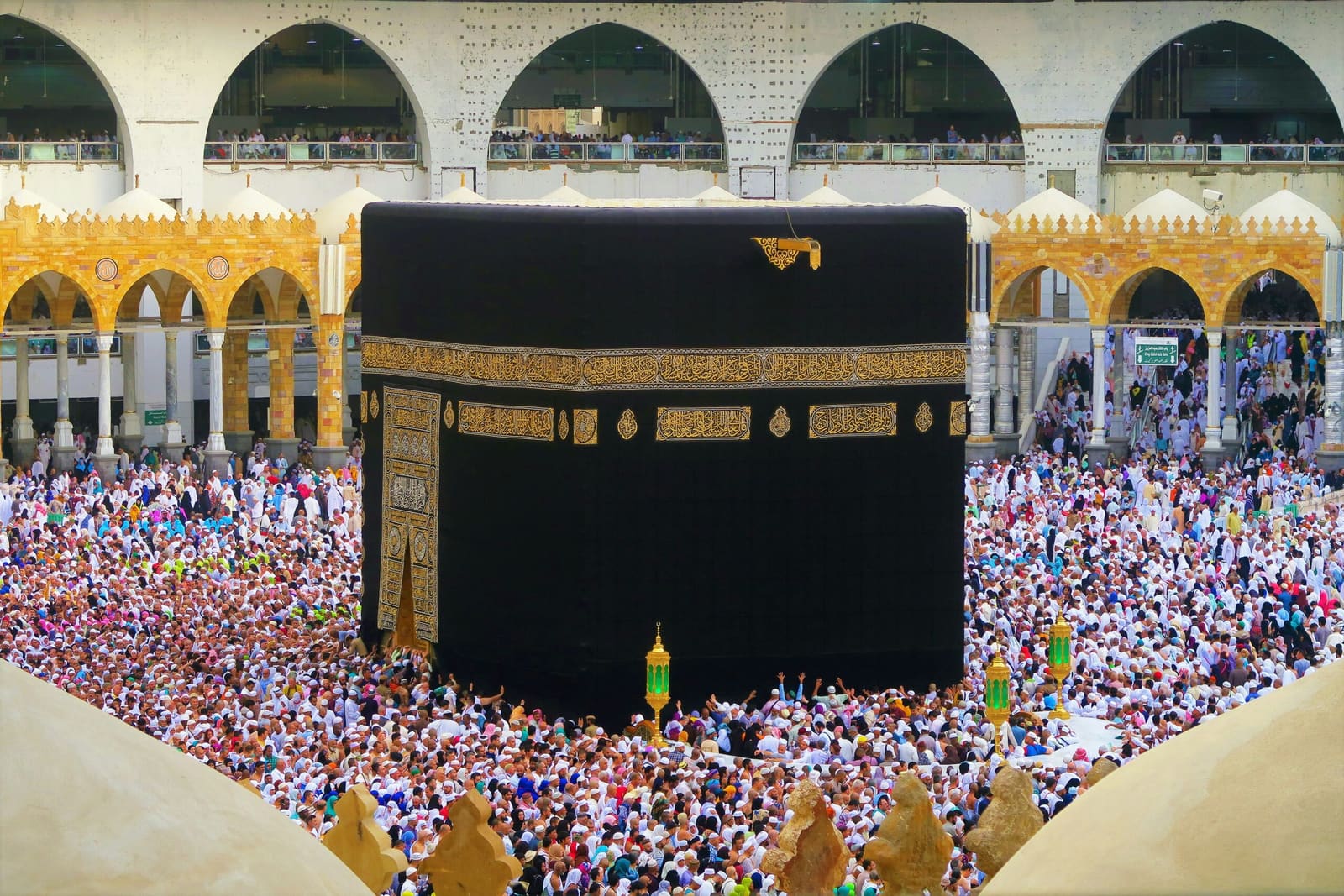
Saudi Arabia now offers pilgrims a one-year visa for Umrah, the voluntary Islamic pilgrimage that can be performed year-round. The new permit, announced by the Ministry of Hajj and Umrah, lets eligible travellers enter the Kingdom multiple times over twelve months without filing fresh paperwork for each trip.
The visa is valid for 365 days from issue. Pilgrims can make as many visits as they like during that window, but the total number of days spent in Saudi Arabia cannot exceed 90. Each re-entry still requires meeting the Kingdom's standard travel and regulatory checks.
For Muslims who want to perform Umrah more than once a year, the change removes a repetitive administrative step. It also fits into Saudi Arabia's broader effort to streamline religious travel under Vision 2030, the economic diversification plan that positions pilgrimage infrastructure as a cornerstone of non-oil revenue.
How It Works
To activate the visa for each visit, pilgrims must buy a service package through Nusuk, the government's digital platform for pilgrimage bookings. The package has to come from an accredited provider and cannot exceed the number of days left on the visa.
Nusuk consolidates visa applications, accommodation, transport and other services into one interface, cutting out traditional intermediaries. The Ministry of Hajj and Umrah says the visa automatically deactivates when a traveller leaves Saudi Arabia and switches back on once all requirements for the next trip are satisfied.
The visa cannot be used during the annual Hajj season. It goes dormant from the first day of Dhu Al-Qi'dah until the 13th of Dhu Al-Hijjah, the months when Hajj takes place and separate permits apply. Unlike Hajj, which is obligatory once in a lifetime for Muslims who are able, Umrah is optional and open most of the year.
Why Saudi Arabia Is Investing in Pilgrimage Infrastructure
Religious tourism is a priority under Vision 2030. The Kingdom has spent heavily on digital systems, visa reforms and physical infrastructure around Mecca and Medina to handle rising visitor numbers and improve the experience on the ground.
This year, Saudi Arabia received 931,500 pilgrims on Umrah visas, up 22.5 percent from the same period in 2025, according to the Ministry of Hajj and Umrah. The largest groups came from Pakistan, Indonesia and Iraq.
The new multiple-entry visa follows the introduction earlier this year of the Package Visa, which bundles permits with accommodation, transport and pilgrimage services in one booking. That system gives authorities more visibility into who is travelling and under what arrangements, while simplifying logistics for visitors.
What It Means for Travellers
The one-year visa lowers the friction for repeat visits. Someone who wants to perform Umrah twice in a year no longer needs to apply twice, pay duplicate fees or wait for separate approvals. The cumulative 90-day cap still limits the total time in-country, but the flexibility to spread those days across multiple trips is new.
The change also signals Saudi Arabia's intention to compete more actively for religious tourism spend. By reducing administrative barriers and bundling services digitally, the Kingdom is positioning itself not just as a destination of obligation but as one that can be visited more casually and more often.
For travellers, the practical upside is clear: fewer forms, fewer fees, more control over timing. For Saudi Arabia, the bet is that easier access translates into more visits, longer cumulative stays and deeper engagement with the services built around pilgrimage. Whether that leads to a better experience on the ground will depend on how well infrastructure keeps pace with demand.