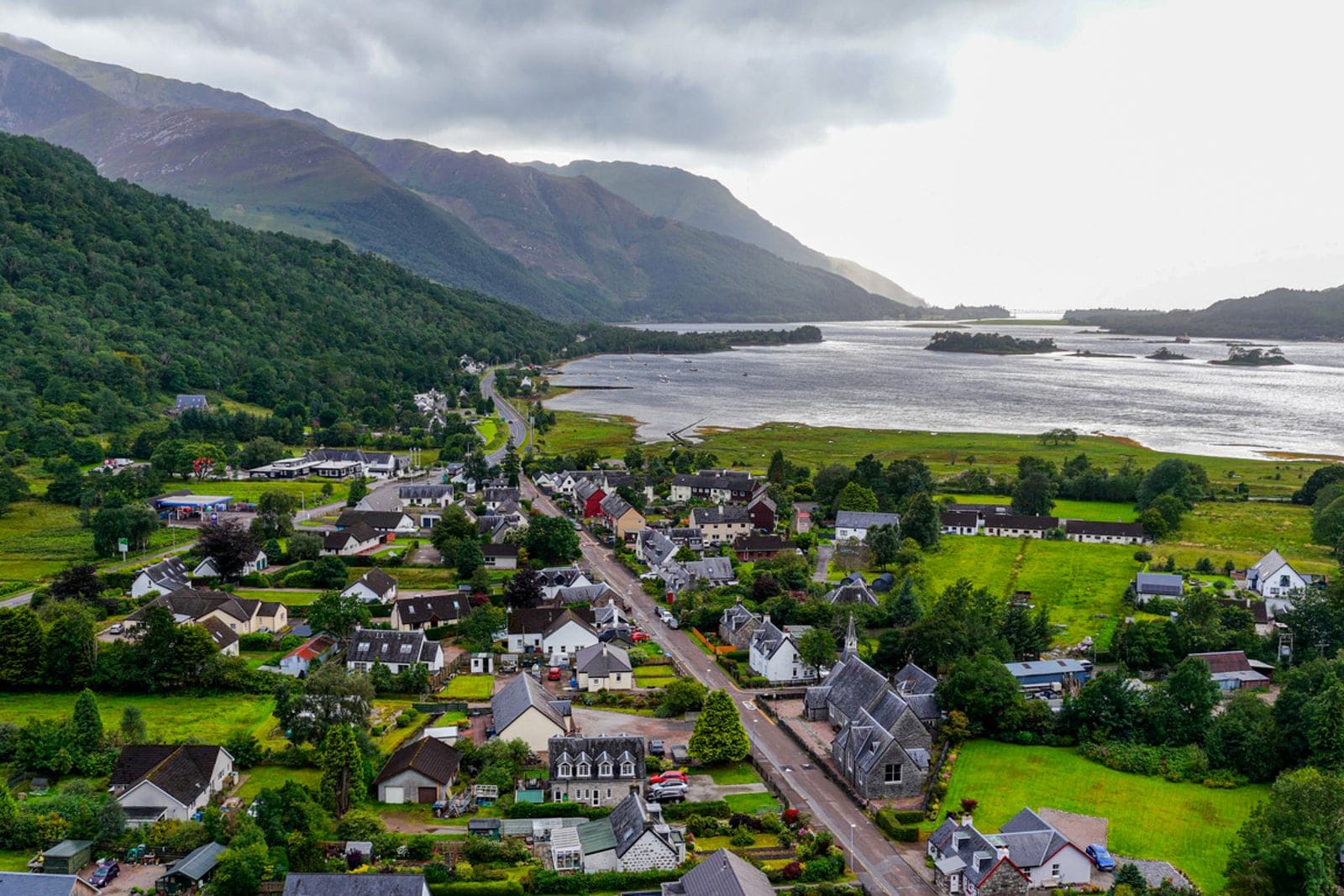
A Second Attempt at a Visitor Fee
The Highland Council has released draft proposals for a flat-rate visitor levy that would charge tourists £5 per room, per night, in hotels and short-term rentals across rural Scotland. The plan also includes a lower £2 charge for hostels and campsites in the Highland Council area.
This marks the council's second effort to introduce a visitor fee. In December, the Scottish government advised officials to pause an earlier proposal that would have levied five percent of accommodation costs, which the council estimated could generate around £10 million annually.
The new structure replaces the percentage model with fixed fees, potentially making the charge more predictable for both visitors and accommodation providers. Under the draft plan, the levy would apply for nine months of the year, skipping December, January and February. Providers would keep five percent of the collected fees to cover administrative costs.
What Happens Next
On August 25, the Highland Council is scheduled to hold a special meeting to review the draft proposal. According to officials, the session is not intended to approve or reject the levy outright, but to decide whether to move forward with a public consultation. That consultation would seek input on the proposed rates and how revenue might be reinvested to support Highland communities.
If councillors approve the consultation step, a statutory 12-week period will open for residents, businesses and communities across the Highlands to weigh in. A final feedback report would then be presented to council members later this year, with implementation requiring at least 18 months after that decision.
The Pressure Tourism Places on Infrastructure
Tourism is a major economic driver in the Highlands, but the region has seen growing strain on local facilities and services as visitor numbers rise. Convener Bill Lobban noted that while tourism contributes significantly to the economy and culture, the increasing flow of visitors puts pressure on infrastructure that was not designed for such volume.
A visitor levy is framed as a way to create a dedicated funding stream for maintaining and improving the places that draw people to the Highlands in the first place. The idea is not unique to Scotland; cities and regions across Europe have introduced similar fees to offset the costs of tourism, from waste management to trail maintenance.
Why the Shift from Percentage to Flat Rate
The earlier percentage-based model would have varied depending on the cost of accommodation, meaning a luxury hotel guest might pay significantly more than someone staying in a budget guesthouse. The flat-rate approach simplifies the structure and may reduce administrative complexity for smaller operators.
However, it also means that the total revenue collected will depend heavily on visitor volume rather than the type of accommodation chosen. Whether the flat-rate model will raise comparable funds to the £10 million estimate from the percentage plan remains to be seen, and will likely be a point of discussion during the consultation period.
The seasonal exemption for winter months also reflects the region's tourism patterns, when visitor numbers drop and local businesses face quieter periods. Excluding December through February may ease concerns from operators who rely on winter visitors for revenue during an already challenging season.
What This Means for Visitors
If the levy moves forward, tourists booking accommodation in the Highlands would see an additional charge on their bills for most of the year. For a week-long stay in a hotel, that would add £35 per room; a week at a campsite would add £14. The fee would apply regardless of the nightly rate of the accommodation itself.
The consultation will likely surface questions about how the revenue is spent, how compliance is monitored, and whether the fee might deter budget travelers or shift demand to neighboring areas without similar charges. Those are the trade-offs that come with any visitor levy, and the Highland Council will need to balance revenue goals with the risk of discouraging tourism altogether.
For now, the proposal is a draft, and the public consultation, if approved, will be the next step in determining whether the Highlands joins the growing list of destinations charging visitors to help cover the costs of hosting them.