A Route Revived Three Times
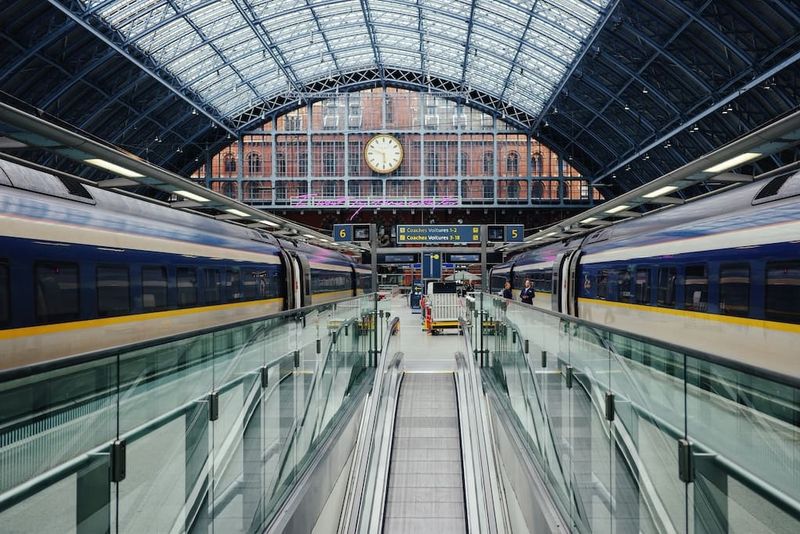
The overnight train between Paris and Berlin has had a turbulent few years. Austrian operator ÖBB brought it back in December 2023 after a nine-year gap, only to pull the service again late last year when French transport ministry funding dried up. By March, a new operator called European Sleeper had stepped in to run the 770-mile route three times a week, stopping at Aulnoye-Aymeries, Mons, Brussels, Liège and Hamburg before reaching Berlin Hauptbahnhof.
The service joins a broader pattern across the continent. According to French climate group Réseau Action Climat, night trains in France carried more than one million passengers in 2024, up 26 percent from the previous year. Demand is clearly there, even if the infrastructure and funding models are still catching up.
What the Journey Actually Looks Like
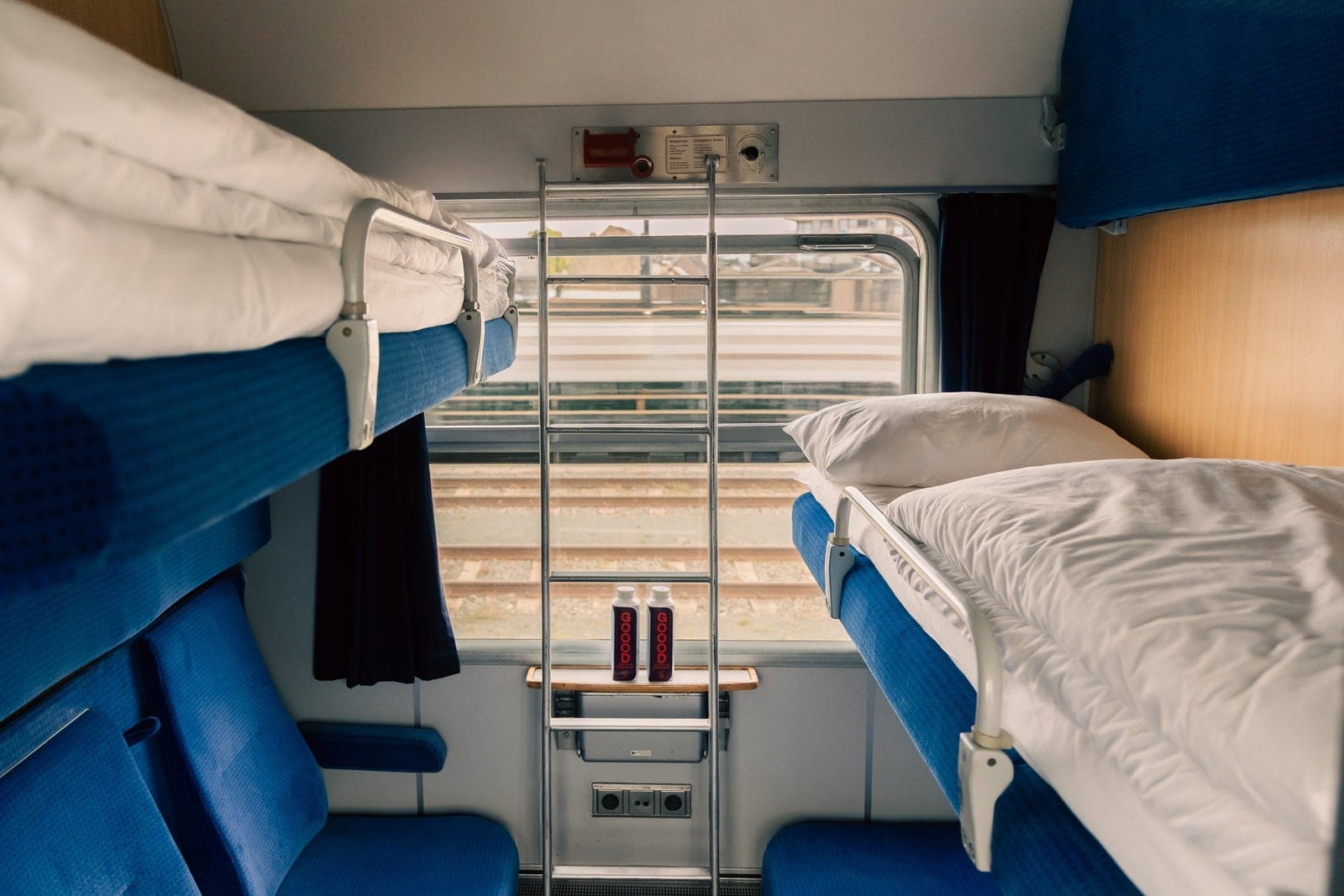
European Sleeper markets the service as "The Good Night Train," but the reality is more chaotic than the branding suggests. Carriages arrive on the platform out of numerical order, confusing passengers trying to board. The top-tier Comfort Plus cabin, priced from €139 per bed for triple occupancy, offers three bunks, a small sink, bottled water, towels and a combination shampoo. There is one shared power outlet per cabin and a tap that produces only a lukewarm trickle.
Air conditioning cuts in and out. Toilets in some carriages break down mid-journey. The train has no dining car at all, only a laminated menu of packaged snacks like Pringles, instant noodles and Cup a Soup available until 11:30 p.m. Passengers who want a proper meal bring their own from supermarkets before boarding.
Still, the journey has its moments. The Belgian countryside rolls past at sunset. Morning brings a boxed breakfast with a latte, brioche, yoghurt, granola and an assortment of spreads delivered to the cabin. The trip takes 17 hours, long enough to cross multiple borders and wake to a string of "welcome to" roaming texts from your phone carrier.
Why People Keep Booking It
Despite the rough edges, the train is filling seats. One-way tickets in a shared Classic compartment start at €79.99, and the hassle of airport security, baggage limits and flight delays makes rail an appealing alternative for city-to-city travel in Europe. The Paris-Berlin corridor also taps into a specific kind of traveler: someone who wants to party in one capital and wake up in another without losing a day to transfers.
The route also reflects a shift in how people think about travel time. A 17-hour train ride used to feel like a waste. Now it can mean skipping an airport, sleeping through the commute and arriving in a new city without jet lag or the environmental guilt of a short-haul flight.
What Still Needs to Work
European Sleeper is a young operation, and it shows. Regular passengers describe the service as reliably haphazard. Basic amenities like working toilets and consistent climate control should not be optional. The lack of a dining car is a missed opportunity, especially on a route long enough to span dinner, breakfast and several snack breaks in between.
Funding remains fragile. The fact that the route shut down once already because of withdrawn government support suggests that sleeper trains in Europe still depend on subsidies to survive. Ticket prices alone may not cover the cost of running overnight services, especially when legacy rail infrastructure was not designed with sleeper trains in mind.
Still, the demand is real. If operators can stabilize service quality and secure long-term funding, the Paris-Berlin sleeper could become a fixture rather than a novelty. For now, it is a rough but functional option for travelers willing to trade comfort for convenience and a lower carbon footprint.
The Bigger Picture
The return of the Paris-Berlin sleeper is part of a wider European effort to rebuild night train networks that were largely dismantled in the 1990s and 2000s. Cities across the continent are now reconnecting by rail as climate concerns and airport congestion push travelers toward alternatives.
The challenge is making those alternatives reliable. A sleeper train that breaks down, runs without working toilets or forces passengers to eat Pringles for dinner will not win over anyone who values predictability. But for travelers who see the journey as part of the experience, the Paris-Berlin route offers something airports cannot: the chance to fall asleep in one country and wake up in another, borders crossed while you dream.