The Scope of the Ban
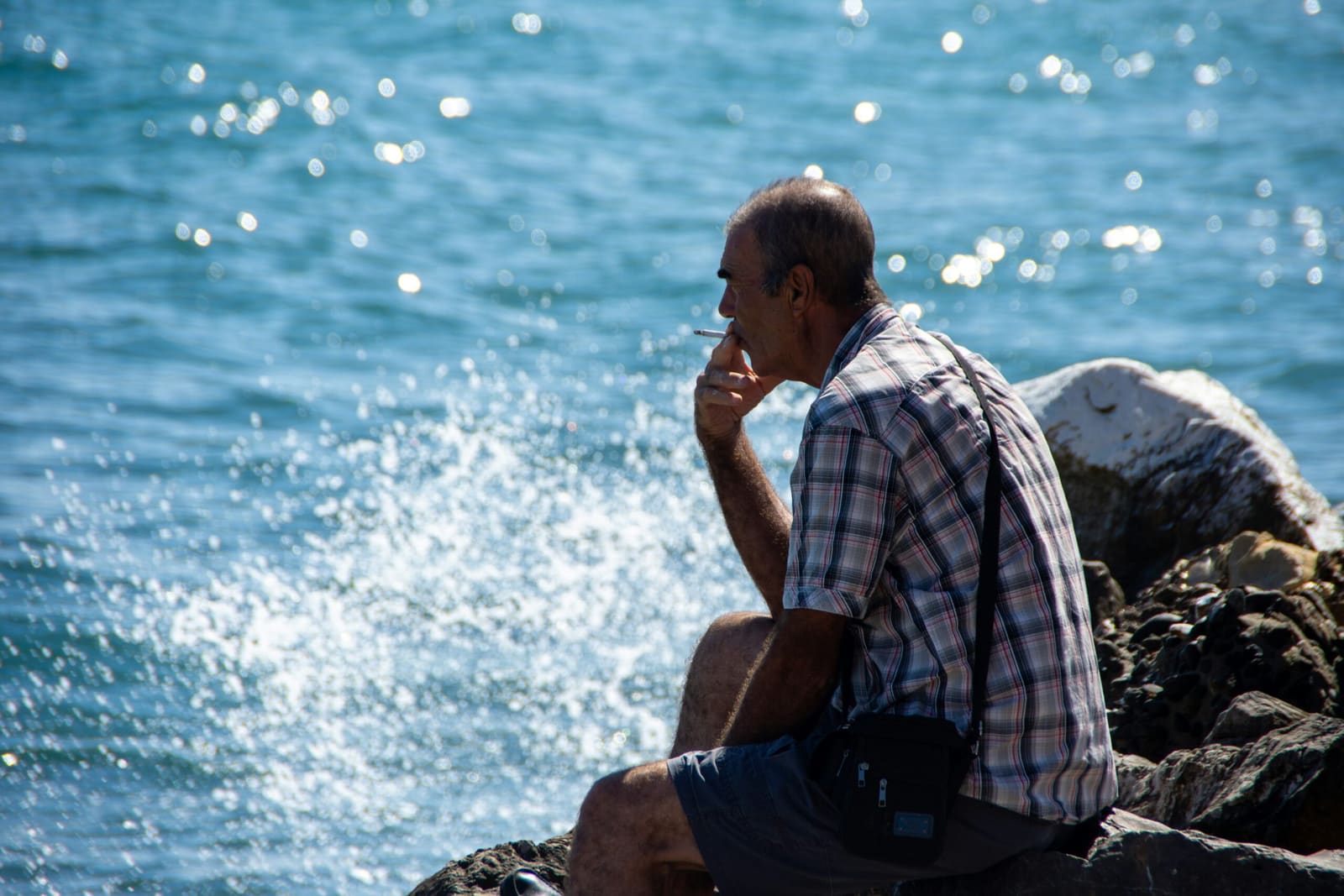
Spain's Council of Ministers has approved draft legislation that would prohibit smoking in outdoor spaces where visitors and residents have long been free to light up. The proposed rules target bar and restaurant terraces, beaches along the coast and rivers, public pools, sports facilities, national parks, and venues hosting public events. E-cigarettes would face the same restrictions.
The bill also creates 15-metre protection zones around schools, playgrounds, hospitals, cultural centres, libraries, museums, and other public buildings. Within these zones, smoking would be prohibited entirely, meaning people could no longer step just outside the door for a cigarette.
The measures fall under the Comprehensive Plan for the Prevention and Control of Tobacco Use 2024-2027, according to Spain's Ministry of Health. They represent the most significant update to the country's tobacco laws since 2010, when smoking was banned inside bars and restaurants.
Why the Government Is Pushing Forward
Health Minister Mónica García framed the legislation as a matter of public access. Anyone wanting to enjoy a coffee or leisure time on a terrace should be able to do so without smoke from nearby tables becoming part of the experience, she said.
The government points to 50,000 deaths annually in Spain linked to smoking, a figure that underscores the public health rationale behind the reforms. The legislation also aims to bring vaping and shisha pipes under the same regulatory framework as traditional tobacco and to prohibit tobacco use by anyone under 18.
Marketing restrictions are part of the package as well, though details on enforcement remain thin at this stage.
Hospitality Industry Pushback
Spanish stakeholder groups representing bars, restaurants, and other hospitality businesses have raised concerns about the economic impact. Their argument centres on the risk that smokers will choose to stay home rather than visit establishments where they cannot smoke, even outdoors.
Some industry voices have suggested the ban could push smoking into private homes, potentially increasing exposure to second-hand smoke in enclosed domestic settings rather than reducing it overall. The criticism highlights a tension between public health goals and business interests, particularly in a sector that relies heavily on outdoor seating culture.
The debate reflects broader questions about how far smoke-free policies should extend. Indoor bans have become standard across much of Europe, but outdoor restrictions remain more contentious, especially in countries where al fresco dining is central to social life.
Fines and Enforcement
Penalties under the proposed law range from €200 to €600,000, depending on the nature and severity of the violation. For the first time, individuals under 18 who consume tobacco or related products could face fines starting at €200 or be required to perform community service.
The inclusion of minors in the enforcement framework marks a shift in approach. Previously, penalties targeted suppliers and businesses rather than young users. The change suggests the government is treating youth tobacco use as a behaviour to be directly discouraged through consequences, not just restricted through supply-side controls.
For visitors, the fines could represent a significant unplanned expense. A €200 penalty would cover several nights of budget accommodation or a substantial portion of a travel budget.
What Happens Next
The draft bill has cleared the Council of Ministers, but it still requires approval from Spain's legislature before it becomes law. The timeline for that process is not yet clear, and amendments could alter the final scope of the restrictions.
If the legislation passes, Spain would join a small group of countries with extensive outdoor smoking bans. Greece and Italy have similar restrictions on beaches, while several cities across Europe have implemented bans on outdoor dining areas.
For travellers planning trips to Spain, the proposed changes would reshape where and how smoking is permitted in public. The terrace culture that defines much of Spanish social life would remain, but without the cigarette smoke that has long been part of it. Whether that shift will deter visitors or make outdoor spaces more appealing to non-smokers is a question the hospitality sector and the government are answering in very different ways.