Another Close Call
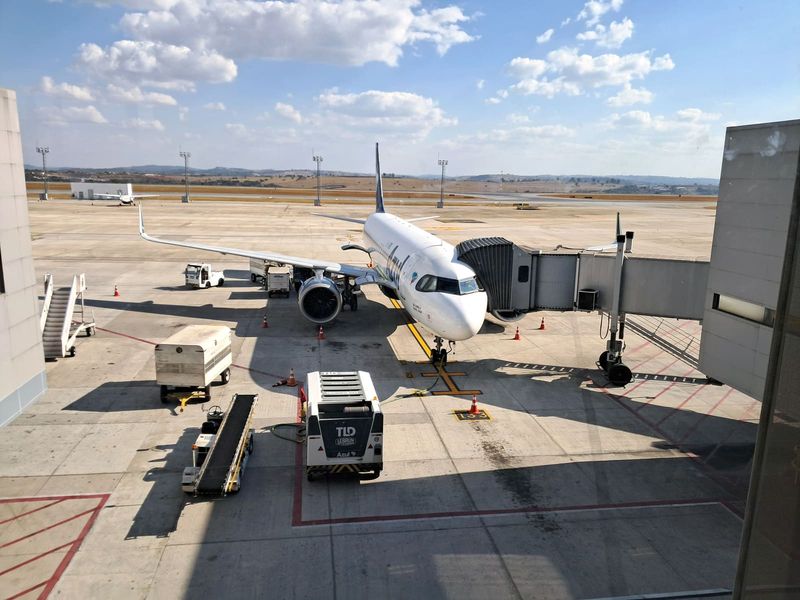
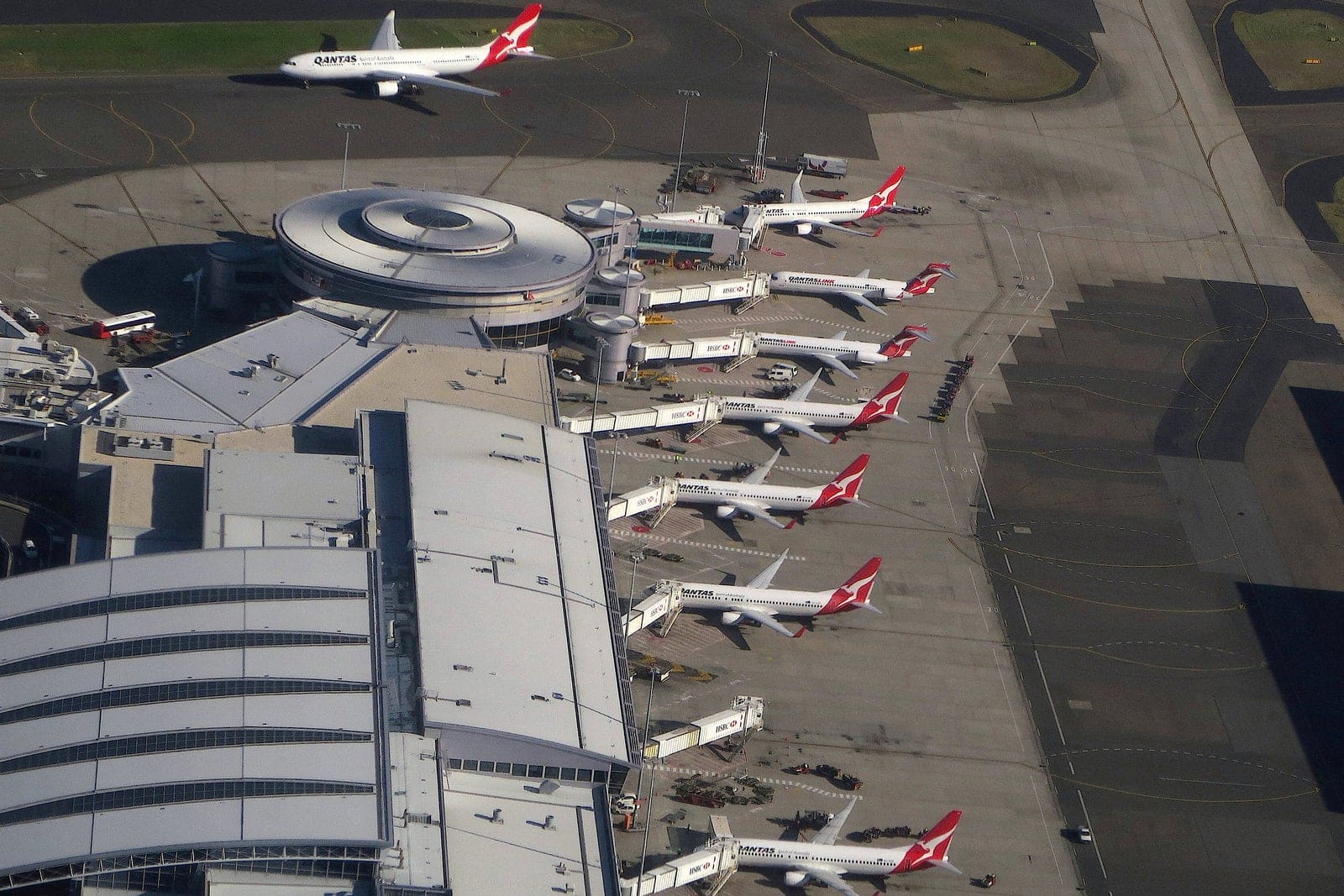
Two Qantas jets came uncomfortably close on the ground at Sydney Airport on Tuesday, marking the fourth such incident in three weeks. An Airbus A321 preparing to depart for the Gold Coast had to brake when a Boeing 737 that had just landed from Melbourne continued along the same taxiway the Airbus had been cleared to turn onto.
The Australian Transport Safety Bureau confirmed there was no immediate collision risk but said the frequency of similar events warranted a closer look. The agency is now interviewing air traffic controllers and flight crew, reviewing recorded data, and searching for patterns that might link all four incidents. A preliminary report is expected within six to eight weeks.
The investigation comes at a sensitive moment. Controllers at the airport have been vocal about what they describe as rushed preparation for complex airspace changes that took effect in early July, tied to the opening of a new international airport west of the city.
A Pattern Emerges
The Tuesday taxiway conflict follows three earlier incidents, all within a span of roughly two weeks. On July 27, a QantasLink turboprop completing its landing and a Qantas 737 cleared to cross the same runway came into conflict. The 737 stopped, but only after passing the designated hold point.
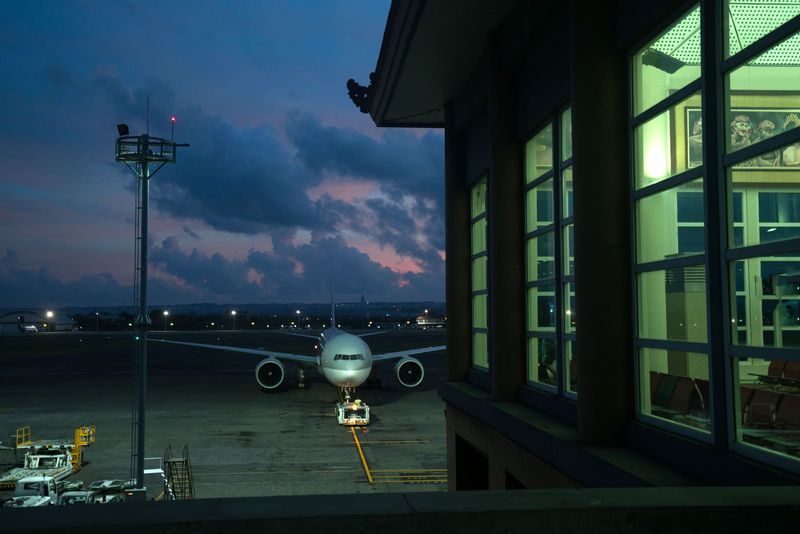
On August 9, two separate events unfolded. A Jetstar A320 braked hard on the tarmac to avoid a Qatar Airways Boeing 777, injuring a cabin crew member in the process. Later that same day, a Virgin Australia 737 cleared for takeoff spotted a Qantas aircraft crossing ahead and stopped about a kilometer short. Both planes had received clearances that put them on a collision course.
None of the incidents resulted in aircraft contact, but the clustering has raised questions about what is happening on the ground at one of the region's busiest airports.
Controllers Speak Up
In early June, an air traffic controller filed a report with the ATSB highlighting concerns about staffing readiness. According to the report, more than 50 controllers at Sydney Airport responded to a union survey, and most expressed worry about the compressed timeline for mastering new procedures ahead of the July 9 airspace changes.
The controller described the material as highly detailed and complex, and said the time allotted for training fell short of what was needed. The report also drew a parallel to the air traffic control environment in Washington, D.C., where staff had raised alarms in the months before a fatal midair collision in January 2025.
Australia's Civil Aviation Safety Authority reviewed the complaint and concluded that Airservices Australia, the government body that employs air traffic controllers, had put appropriate training, procedures, and operational support in place. But the string of incidents since then suggests the issue may not be fully resolved.
What Happens Next
The ATSB's investigation will focus on whether shared factors connect the four events. That could include communication breakdowns, procedural gaps, workload pressures, or lingering effects from the airspace redesign.
For travelers, the immediate risk remains low. Ground incidents, while alarming, are typically caught by redundant safety systems and alert crews. But for an airport handling tens of millions of passengers a year, even a handful of close calls in quick succession is enough to trigger scrutiny.
The preliminary findings, due in late September or early October, will offer the first official account of what went wrong and whether systemic changes are needed. Until then, the focus will be on whether the pattern holds or breaks.