A First for Tajikistan's Aviation Scene
Shohin Airlines, a Dushanbe-based carrier registered just over a year ago, has placed its inaugural order with Airbus. The deal covers four single-aisle jets: two A320neos and two of the longer A321neo variant. The order appeared as an undisclosed entry in Airbus's June order book before being confirmed at the Farnborough International Airshow last week.
For a carrier that only came into existence in June 2025, the move is ambitious. But it reflects a broader pattern across Central Asia, where newer airlines are choosing fuel-efficient, proven aircraft to carve out space in competitive and fragmented markets. Tajikistan, landlocked and with limited aviation infrastructure, has historically relied on a small number of carriers serving a modest route network. Shohin's order suggests the country is looking to change that.
The Aircraft and Their Role
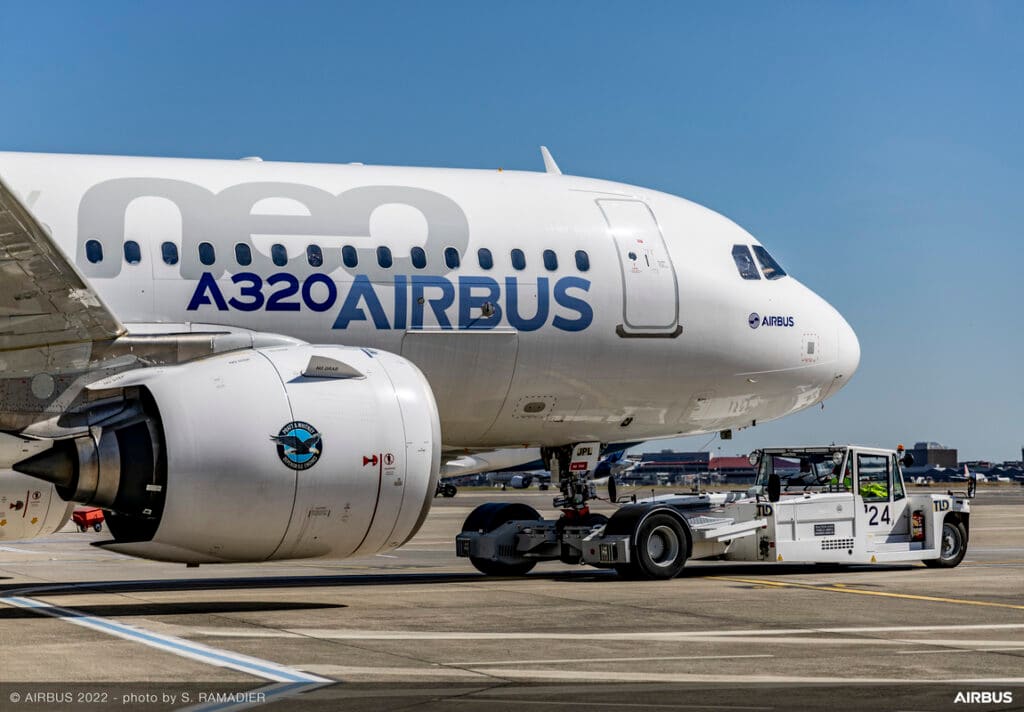
The two A320neos will seat 176 passengers in a two-class layout, while the larger A321neos will accommodate 196. Both types share the same cockpit and operational systems, which simplifies crew training and maintenance logistics for a start-up airline working with a tight budget.
Zafar Ahmadzoda, Shohin's chief executive, described the agreement as a milestone for Tajikistan's civil aviation sector. He emphasized that the aircraft will form the core of a fleet designed to be efficient and environmentally sustainable, while supporting plans to expand the airline's international reach.
Airbus, in turn, welcomed the new customer. Benoît de Saint-Exupéry, the manufacturer's executive vice president for sales, noted that the partnership aims to deliver operational excellence and a strong passenger experience from the outset.
Why the A320neo Family Appeals to Start-Ups
The A320neo family has racked up more than 20,000 orders globally, making it the most popular single-aisle aircraft line in production. Its appeal rests on a combination of lower fuel burn, around 20 percent less than previous-generation models, and reduced carbon dioxide emissions, according to Airbus.
For a carrier like Shohin, those economics matter. Start-ups often face thin margins, and fuel represents one of the largest line items in any airline's budget. The A320neo's efficiency can make the difference between a route that works financially and one that doesn't.
The aircraft also offer flexibility. The A320neo suits shorter regional hops, while the A321neo's extended range opens up longer routes that might otherwise require widebody jets. That versatility lets Shohin test different markets without locking itself into a single aircraft type or strategy.
Central Asia's Evolving Aviation Landscape
Tajikistan is not alone in trying to build up its airline sector. Across Central Asia, governments and private investors have launched or revived carriers in recent years, aiming to capture traffic that might otherwise transit through hubs in the Gulf, Turkey, or Russia.
The region's geography presents both opportunity and challenge. Distances are vast, populations are dispersed, and infrastructure can be patchy. But demand for air travel is growing, driven by rising incomes, trade links, and diaspora communities spread across Europe and Asia.
Shohin's order fits into this broader push. By choosing modern, fuel-efficient jets, the airline positions itself to compete on cost and comfort. Whether it can execute on that promise will depend on factors beyond the aircraft themselves: route selection, pricing, service quality, and the ability to navigate regulatory and operational hurdles in a region where aviation rules can vary widely.
What Comes Next
Delivery timelines have not been made public, but Airbus's current production schedule for the A320neo family is heavily backlogged. Airlines ordering today often wait several years for their aircraft to arrive. That gives Shohin time to finalize route plans, recruit and train crew, and build out ground operations in Dushanbe and wherever else it intends to fly.
The airline has said little about specific destinations, but the aircraft configurations suggest a mix of regional and medium-haul international routes. Likely targets include cities in Russia, the Gulf, South Asia, and possibly China, all of which have significant trade or diaspora ties to Tajikistan.
The order also raises questions about Tajikistan's broader aviation strategy. Will the government support Shohin with favorable airport terms or fifth-freedom rights that allow it to carry passengers between foreign points? Will the airline face competition from state-backed carriers in neighboring countries? And can it attract enough passengers in a market where many travelers are price-sensitive and alternatives exist?
A Bet on Connectivity
At its core, Shohin's Airbus order is a bet that Tajikistan can support a modern, internationally competitive airline. The country has a population of around 10 million, but its air travel market remains underdeveloped compared to neighbors like Kazakhstan or Uzbekistan.
If Shohin succeeds, it could help knit Tajikistan more tightly into regional and global networks, making it easier for people and goods to move in and out. If it struggles, the airline will join a long list of start-ups that discovered that new aircraft alone are not enough to guarantee success.
For now, the focus is on preparation. The airline is working on crew training, route planning, and operational readiness. The partnership with Airbus provides a technical foundation, but the hard work of building a viable airline is just beginning.