The EES Reality Check
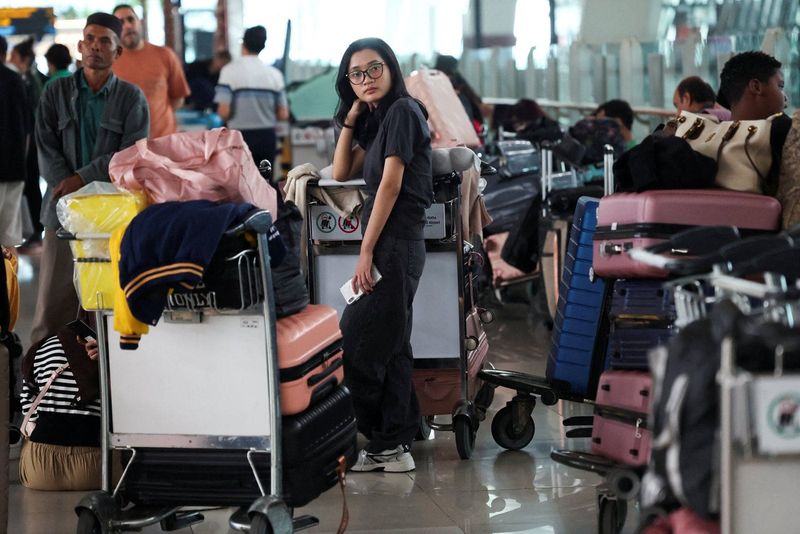
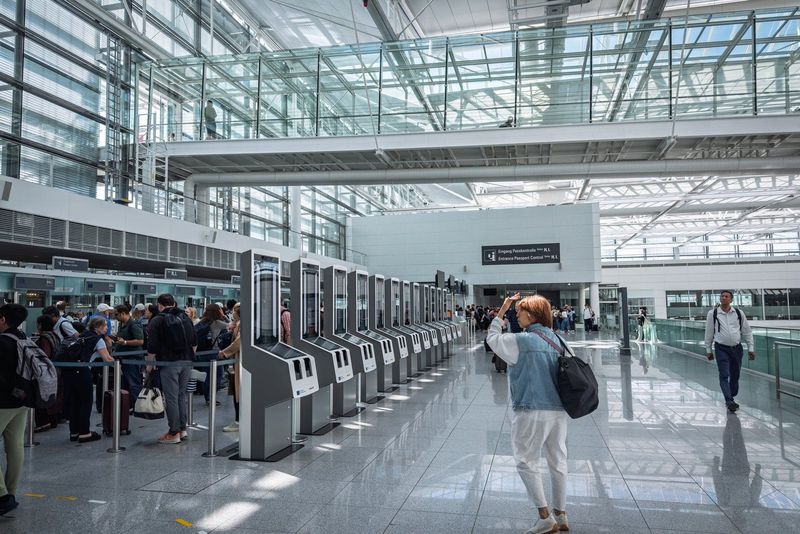
The Entry/Exit System now requires fingerprints and facial scans at Schengen borders, and early implementation has been bumpy. Some crossings report multi-hour waits as airports and ferry terminals adjust to the new biometric requirements. For travellers mapping summer plans, that friction matters.
But Europe is bigger than Schengen. Ten countries across the continent sit outside the zone, meaning no biometric checks, no new queues, and in many cases, compelling reasons to visit that have nothing to do with border efficiency.
Cyprus: Mediterranean Without the Schengen
Cyprus joined the EU in 2004 but has yet to integrate into Schengen, leaving its entry procedures unchanged. The island splits neatly between beach resorts and mountain retreats. Limassol and Ayia Napa draw the summer crowds, while Protaras and the Troodos range offer quieter alternatives.
Paphos holds ancient ruins dating back millennia, and Nicosia's old city layers Venetian walls over Byzantine foundations with Ottoman influences woven through. The capital remains divided, its Green Line a visible reminder of the island's complex history.
Ireland: Atlantic Edge, EU Member
Ireland opted out of Schengen despite EU membership, keeping its border arrangements aligned with the UK through the Common Travel Area. Flights and ferries from Britain face no new biometric hurdles.
The Wild Atlantic Way runs 1,600 miles along the west coast, threading past the Cliffs of Moher and Downpatrick Head's sea stacks. Galway anchors the traditional music scene, Cork has become an artisan food hub, and Dublin's pub culture remains a draw alongside the Guinness Storehouse, Ireland's most visited attraction according to Fáilte Ireland.
Albania: Riviera Rising
Albania has shed its "best kept secret" label as visitor numbers climb. The Albanian Riviera offers Ionian beaches at a fraction of Greek island prices. Ksamil and Himarë draw beachgoers to turquoise water and white sand that punch above the country's tourism budget.
Inland, the Albanian Alps offer serious trekking. The Valbona Pass crosses ten miles of limestone ridges and alpine views. Tirana, the capital, compresses Ottoman heritage, Soviet-era blocks, and contemporary architecture like Downtown One into a walkable grid. Prices remain low across the board.
Bosnia and Herzegovina: Small Coast, Big Country
With just 12 miles of Adriatic coastline, Bosnia and Herzegovina is not a beach destination. What it offers instead is value and variety. The Kravica Waterfalls cascade into a forested lake, and Una National Park protects an emerald river popular with rafters.
Mostar's 16th-century Stari Most bridge arcs over the Neretva River, rebuilt after wartime destruction. Sarajevo layers Ottoman bazaars, Austro-Hungarian boulevards, and stark reminders of the 1990s siege. The Tunnel Museum documents the lifeline that kept the city supplied during the blockade. Accommodation and meals cost a fraction of what you would pay in Dubrovnik, two hours south.
North Macedonia: Lakes and Bazaars
North Macedonia occupies landlocked terrain between mountain ranges. Skopje, the capital, sprawls beneath Mount Vodno. The Old Bazaar ranks among the largest Ottoman markets still operating in the Balkans, and Kale Fortress offers views across the city to the Šar Mountains.
Lake Ohrid, shared with Albania, is one of Europe's oldest and deepest lakes. The northeast shore holds medieval churches, hilltop fortresses, and the red-tiled Old Town of Ohrid itself, where Ottoman-era houses climb steep cobbled lanes.
Moldova: Wine Cellars the Size of Cities
Moldova rarely features on bucket lists, but its wine industry has deep roots. Viticulture here stretches back 7,000 years, according to the National Office of Vine and Wine. The Ștefan Vodă region produces Rară Neagră reds alongside Cabernet Sauvignon and Merlot, while the milder Codru region favours whites and sparkling wines.
Mileștii Mici holds the Guinness record for the world's largest wine cellar, with over 1.5 million bottles stored in underground limestone tunnels. Chișinău, the capital, mixes Soviet-era white limestone architecture with an unexpected abundance of parks and green space.
Montenegro: Mountains Meet Adriatic Glamour
Montenegro packs dramatic terrain into a small footprint. Durmitor National Park offers hiking, rafting through deep canyons, and winter skiing. Visitors can stay in kanus, traditional mountain farm settlements, for a rural alpine experience.
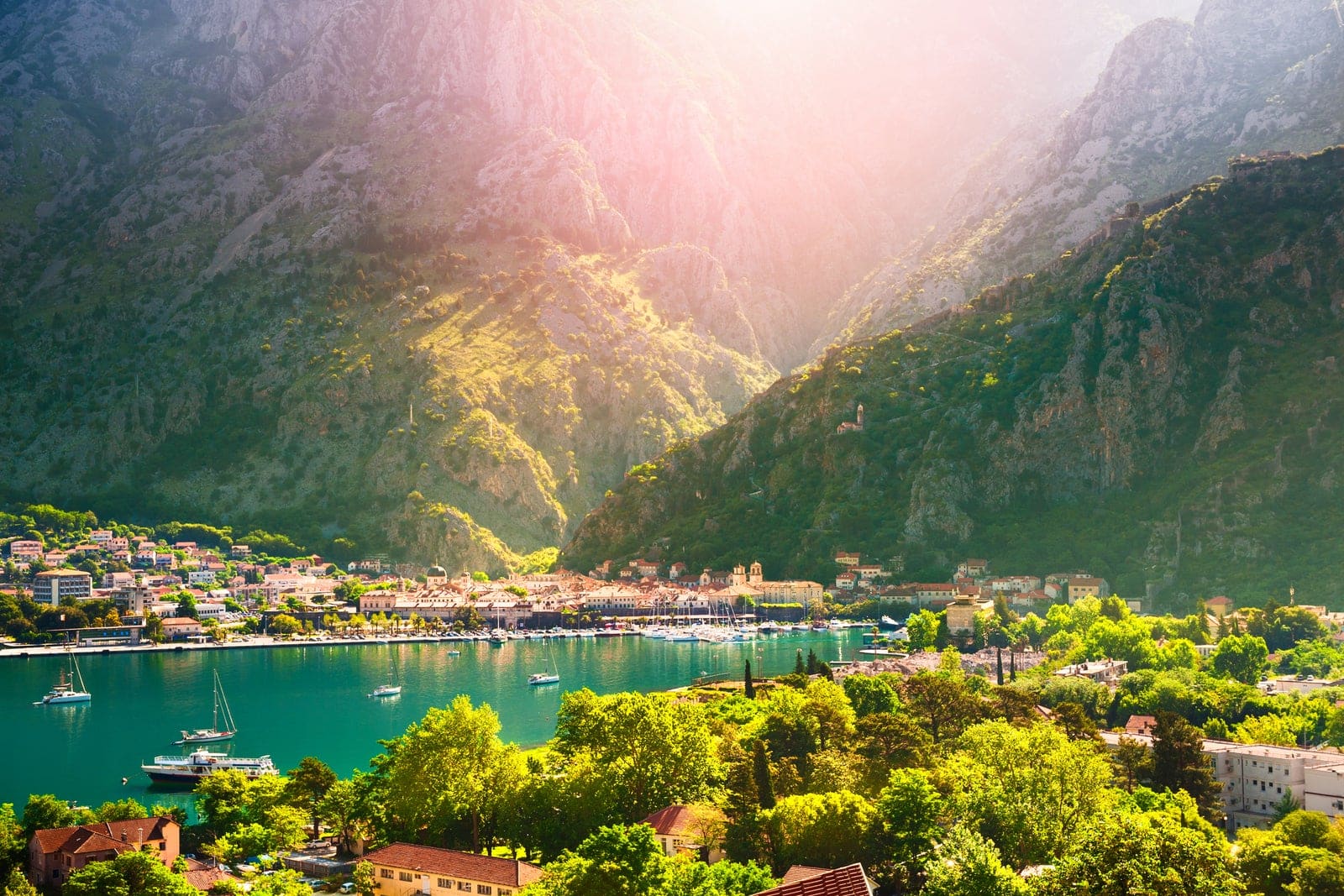
The Adriatic coast swings between exclusivity and accessibility. Sveti Stefan, with its Aman resort on a fortified islet, attracts celebrities and high-end travellers. But 117 beaches line the coast, and the Bay of Kotor blends Venetian-era architecture with dramatic mountain backdrops. The contrast is sharp and intentional.
Kosovo: Europe's Youngest Nation
Kosovo declared independence in 2008, though Serbia and a handful of other countries do not recognise it. The UK and more than 100 nations do, and travellers face no unusual entry complications.
Prishtina, the capital, is compact and walkable. Brutalist buildings stand alongside Ottoman mosques, and the city's coffee culture rivals any in the Balkans. The Ethnological Museum traces the country's heritage through traditional crafts and domestic life. Prizren, at the foot of the Sharr Mountains, preserves Ottoman architecture and Bronze Age fortifications.
Serbia: Nightlife and National Parks
Belgrade anchors Serbia's appeal for city breakers. The capital's nightlife scene thrives on floating splavovi clubs along the Sava and Danube rivers during summer months. Cultural highlights include Belgrade Fortress, the vast Saint Sava Temple, and the Skadarlija quarter with its kafanas and antique shops.
Beyond the capital, Tara National Park protects mountain peaks, Neolithic archaeological sites, and valley viewpoints like Banjska Stena. Serbia has five national parks in total, offering hiking and nature escapes within a few hours of Belgrade.
United Kingdom: The Staycation Default
For British travellers, the simplest way to avoid EES queues is to stay home. Scotland's Highlands and islands, the Pembrokeshire coast in Wales, and English countryside destinations like the Lake District and Cotswolds all see steady domestic tourism.
Northern Ireland's Giant's Causeway remains a geological standout. Lesser-visited cities like Dundee, Birmingham, and Newcastle offer weekend breaks without the crowds that descend on London and Edinburgh.
Why It Works
These ten countries share one practical advantage: no biometric border checks. But the real case for visiting has little to do with queues. Albania, Bosnia, North Macedonia, and Serbia offer compelling value. Cyprus and Montenegro deliver Mediterranean access with different entry rules. Ireland and the UK require no passport for British and Irish citizens travelling between the two. Moldova and Kosovo remain genuinely under-visited, with infrastructure improving and prices low.
The EES rollout has refocused attention on where borders slow travel down. These destinations remind travellers that Europe extends well beyond Schengen's boundaries, and that sometimes the path of least resistance leads somewhere worth going.