A Decade-Long Run Comes to a Close
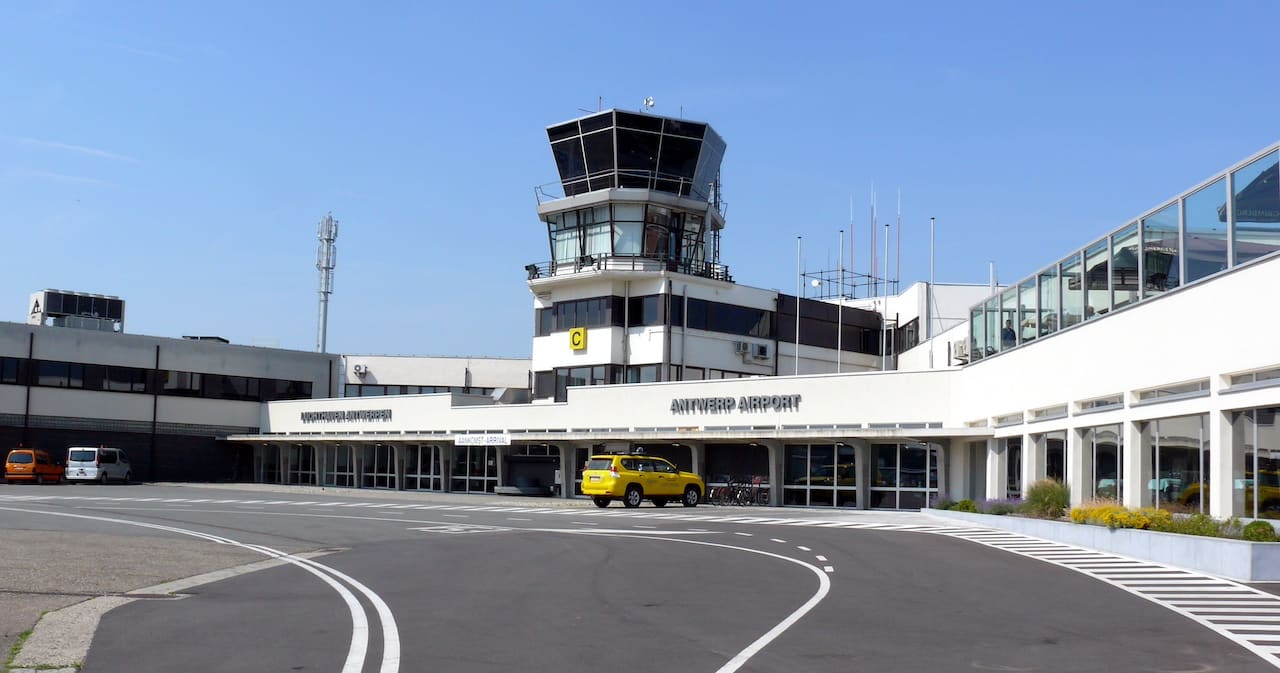
TUI fly Belgium will stop serving Antwerp Airport next spring, ending more than ten years of flights from the regional gateway. The carrier announced that its final departures will be on March 24, 2027 to Alicante and March 25 to Málaga, according to TUI. After that, passengers looking to fly with the airline will need to head to Brussels or Ostend-Bruges instead.
For travelers in and around Antwerp, the loss means fewer options close to home. The airport's compact size and easy access had made it a practical choice for regional passengers, but TUI had already been scaling back. In recent months, the carrier cut several holiday routes, signaling that the end was near.
The airline says the move is about efficiency. By concentrating flights at larger hubs, TUI expects to gain more flexibility in managing its fleet. The company also confirmed that no job cuts are planned as part of the shift.
Part of a Wider European Pattern
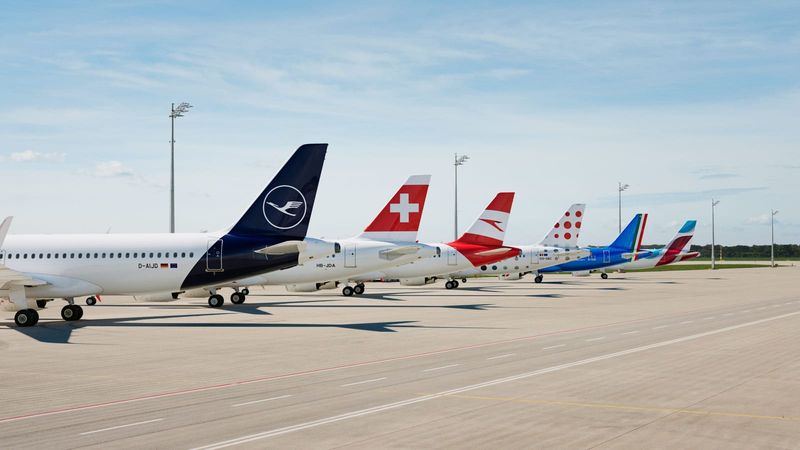
TUI's decision is not happening in isolation. Across Europe, airlines are rethinking their networks and pulling back from smaller airports. Lufthansa, for instance, plans to cancel up to 20,000 European flights and wind down Lufthansa CityLine operations, focusing instead on major hubs like Frankfurt, Munich, Zurich, Vienna, and Brussels, according to the carrier. Air France-KLM is similarly centralizing, integrating recent acquisitions such as SAS into its Paris and Amsterdam operations.
At the Airlines for Europe summit in Brussels earlier this year, executives from Lufthansa Group, Air France-KLM, and IAG argued that regulators should make consolidation easier to help European carriers compete globally. The message was clear: the industry sees efficiency and scale as survival tools in a challenging market.
But that strategy leaves smaller airports vulnerable. Regional facilities often lack the traffic volume to attract multiple carriers, and when a major airline pulls out, the impact can be severe.
A Controversial Airport Faces New Questions
Antwerp Airport has had its share of scrutiny. Environmental groups have criticized smaller regional airports for their emissions footprint, questioning whether they justify the environmental cost. Meanwhile, some economic analysts have argued that the airport does not merit the subsidies it receives from the Flemish government.
Despite the TUI exit, Antwerp is not shutting down. The airport will continue to handle corporate and private aviation, training flights, and a handful of scheduled services. SkyAlps still flies to Bolzano, Italy, and ASL Fly Executive operates winter routes to Sion (a gateway to Verbier), Innsbruck, and Ibiza.
Nathan De Valck, CEO of Antwerp Airport, said the airport "regrets" TUI's decision but stressed that the priority is ensuring smooth operations for passengers until the final flight. "Together with TUI fly, the airport will ensure that the remaining operations run smoothly, safely, and professionally until the end of the winter season," De Valck stated.
What's Next for Regional Airports
The Flemish government has already signaled plans to reduce subsidies for regional airports, adding pressure on facilities like Antwerp to find sustainable revenue models. In response, the airport has introduced a new pricing structure aimed at stabilizing its finances and attracting additional airlines.
Whether that effort will succeed remains uncertain. The broader trend in European aviation is unmistakable: carriers are prioritizing hub airports where they can fill larger planes and offer more connections. For smaller cities, the convenience of a nearby airport is increasingly a luxury rather than a given.
Antwerp's situation reflects a tension playing out across the continent. Regional airports offer proximity and ease, but in an industry focused on cost control and fleet efficiency, they often struggle to compete. As airlines consolidate, travelers in smaller markets may find themselves with longer drives to reach their flights, even as the industry argues that centralization benefits the system as a whole.
The question is whether regional airports can adapt quickly enough to remain relevant, or if the next decade will see more closures and cutbacks as the hub model tightens its grip on European air travel.