A Cautious Green Light
The UK Foreign Office has dropped its recommendation against non-essential travel to the United Arab Emirates, a shift that effectively reopens Dubai and Abu Dhabi for British holidaymakers after months of uncertainty. The advisory change, finalized on 18 June, marks the first time since February that the Emirates have been fully accessible without government caution.
The timing reflects a broader recalibration. Earlier waves of strikes targeting US military infrastructure across the Middle East, including facilities in Jordan and the UAE, had prompted the travel warning. Those attacks followed escalating confrontations between Iran and the United States that began in February and periodically flared through the summer.
Yet the Foreign Office remains clear that the situation is far from settled. Its current guidance warns that "the situation in the Middle East remains unpredictable" and that British nationals should stay prepared for sudden changes. The agency advises travelers to monitor local authorities, keep travel documents current, and avoid areas near security or military installations.
What Travelers Should Expect
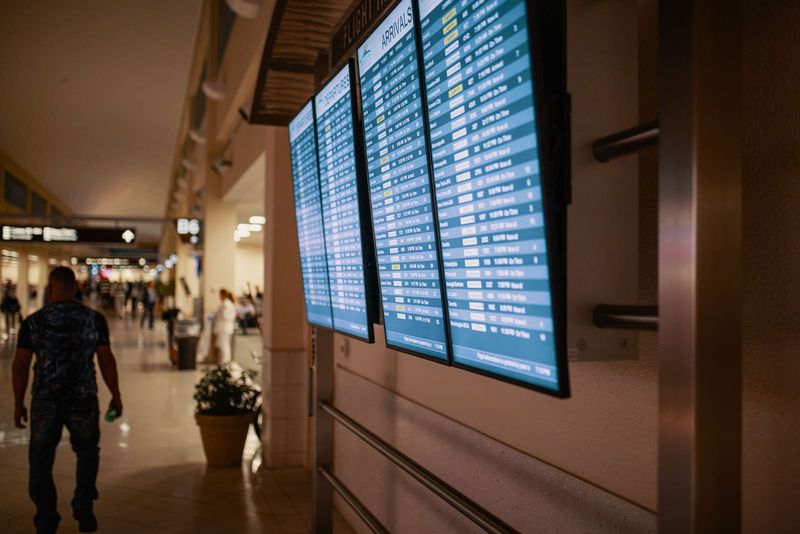
The advisory shift does not mean seamless travel. As of early September, both Dubai International and Abu Dhabi airports are reporting significant delays, with more than 320 and 140 flights affected respectively. Several major carriers, including British Airways and Virgin Atlantic, have canceled or temporarily suspended routes in the region, though commercial service between the UAE and the UK has resumed.
Under European air passenger rights rules, travelers whose flights are canceled are entitled to rebooking on any available airline at no extra cost. But the persistent delays underscore the operational fragility that lingers even as formal warnings lift.
The Foreign Office continues to flag the risk of further strikes and what it calls "unforeseen escalation." Its guidance notes that Iranian officials had previously stated intentions to target locations associated with the US and Israel, including businesses and institutions. While a ceasefire has held since July, the agency cautions that British nationals in the region should be ready for flight cancellations and airspace closures.
Insurance and Refunds
The practical effect of the advisory change is most visible in travel insurance. Policies typically become invalid when travelers visit destinations subject to Foreign Office warnings. With that restriction now lifted, insurance coverage for trips to the UAE should be standard, though travelers are advised to confirm terms with their providers.
For those who booked trips during the advisory period, the landscape is less favorable. Package holidays are expected to resume as usual, but there are currently no grounds for refunds if travelers choose to cancel. Travel insurance is unlikely to cover cancellations made voluntarily at this stage.
If the Foreign Office were to reinstate its warning, the calculation would shift. In that scenario, travelers could cancel package holidays without penalty and claim full refunds. But absent such a reversal, the financial risk falls on the traveler.
A Market in Flux
The UAE has long been a cornerstone of British outbound travel, with Dubai and Abu Dhabi drawing visitors for their mix of luxury retail, modern architecture, and year-round sun. The months-long advisory represented a significant disruption to that flow, one that tour operators and airlines are now working to reverse.
Yet the resumption is uneven. Flight schedules remain in flux, and the region's broader instability means that confidence is rebuilding slowly. The Foreign Office's emphasis on preparedness signals that while the worst may have passed, the situation is not yet stable enough to ignore.
For travelers weighing a trip, the question is less about whether it is officially safe and more about their tolerance for uncertainty. The government has given its clearance, but the fine print suggests keeping backup plans close at hand.