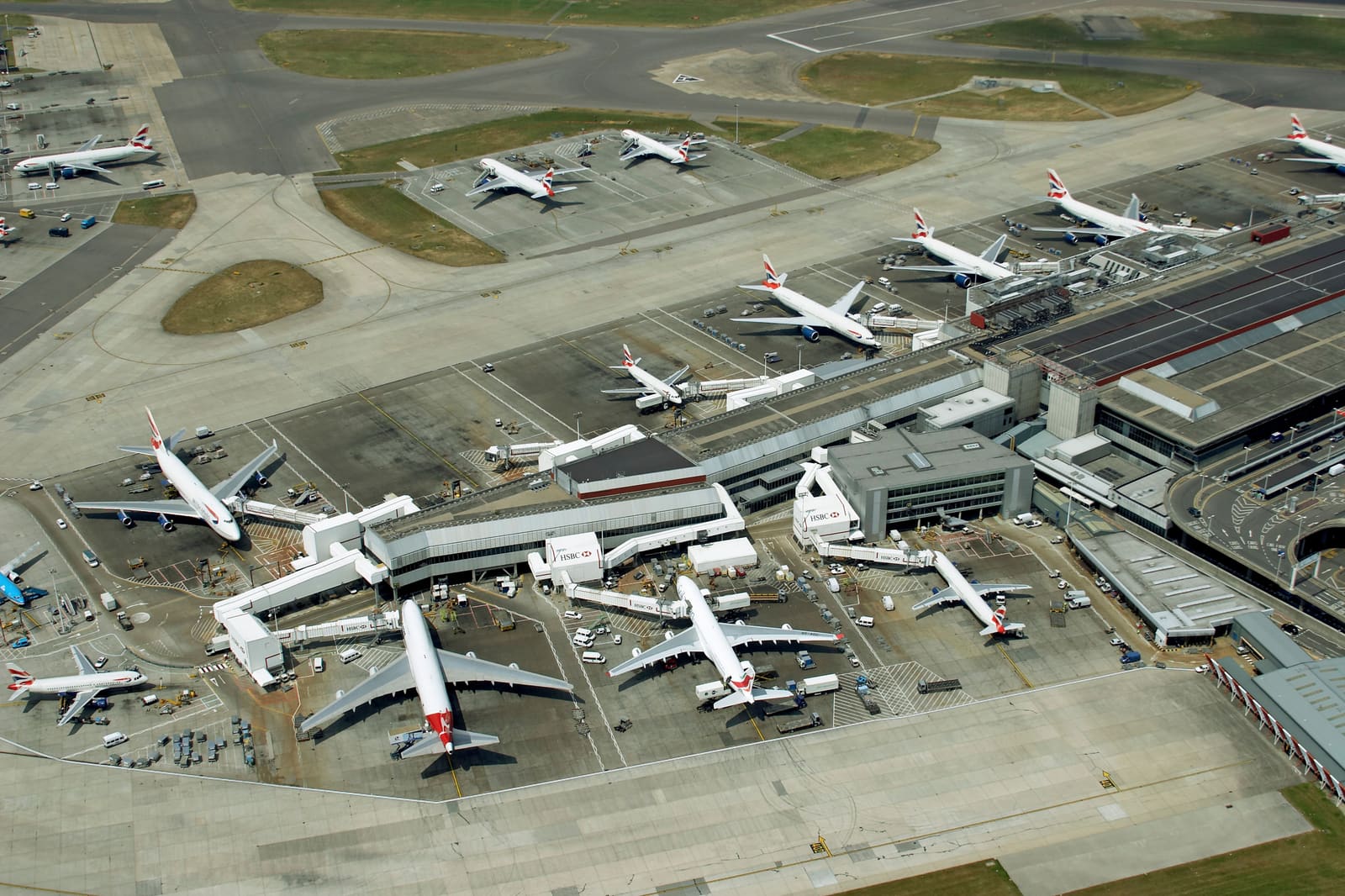
A System Failure With Nationwide Reach
A technical fault in Britain's air traffic control network brought chaos to UK airports on Tuesday 8 September, and the fallout is still unfolding. The National Air Traffic Services resolved the issue affecting its flight processing system late Tuesday, but the knock-on effects have left airlines and airports grappling with a complicated recovery that stretches into Wednesday.
Around 1,300 flights to and from UK airports were cancelled on Tuesday alone, according to flight tracking data. Heathrow, Gatwick, Manchester, and Stansted were among the hardest hit, with disruption rippling out to airports across Europe as connecting flights fell apart. By Wednesday morning, another 177 flights had been scrapped, most of them at Heathrow, with more delays anticipated as carriers work to get aircraft and crew back where they need to be.
Martin Rolfe, chief executive of National Air Traffic Services, told the BBC that the organisation would conduct a full investigation into what went wrong. In a statement, the air traffic control provider acknowledged that resolving the problem "had taken longer than hoped" and described the recovery as "very complex," noting it would take time for the aviation network to return to normal.
What Travellers Are Facing
Heathrow suspended all arrivals for the remainder of Tuesday, resuming departures only later in the day. On Wednesday, the airport warned passengers that disruption would persist as airlines repositioned planes and crew. The airport's official guidance urged travellers to check flight status directly with their airline and to travel only if their departure was confirmed.
The same advice applied across the board. London Gatwick, Luton, Stansted, Manchester, Birmingham, Belfast City, Edinburgh, East Midlands, and Jersey airports all reported disruption. The complexity of the recovery means that even if the technical fault is fixed, the logistical puzzle of getting the right aircraft to the right place with the right crew takes days, not hours.
For passengers caught in the mess, the immediate question is whether they can get their money back or claim compensation. The answer depends on the nature of the delay and the airline's policies.
Compensation Rules and What They Cover
Under UK Civil Aviation Authority guidelines, passengers may be entitled to compensation if a delay causes them to reach their destination more than three hours late. The amounts range from £220 to £520 per person, depending on the distance and delay length. If a delay exceeds five hours, travellers can opt not to fly and receive a full refund.
However, air traffic control failures typically fall under "extraordinary circumstances" outside an airline's control, which means cash payouts are unlikely in this case. That said, many carriers will still provide food and drink vouchers, airport transfers, and hotel accommodation if delays stretch overnight. If a flight is cancelled outright, the airline must offer an alternative flight or a full refund.
Compensation is not automatic, and the process for claiming varies by carrier. Passengers need to submit claims directly to their airline. For UK travellers, EU passenger rights now apply only in limited situations: if the flight arrives in an EU country and is operated by an EU airline. A London to Paris flight on Air France, for example, would be covered; a London to Paris flight on British Airways would not.
A Complicated Recovery
The scale of the disruption underscores how fragile the air travel system can be when a single point fails. Flight processing systems are designed to handle thousands of movements a day, and when one goes down, the effects cascade. Aircraft end up in the wrong cities, crew hit their legal working hour limits, and passengers miss connections that were supposed to be straightforward.
National Air Traffic Services has pledged to investigate, but for now, the focus is on getting the network moving again. Airlines are working through a backlog of displaced passengers, rebooking where possible and managing the inevitable frustration that comes with cancelled plans. Airports are urging patience and advising travellers to stay in close contact with their carriers before heading to the terminal.
The incident is a reminder that air travel, for all its speed and convenience, rests on infrastructure that must work flawlessly. When it does not, the consequences are immediate and far-reaching.