The Rising Cost of Saying Goodbye
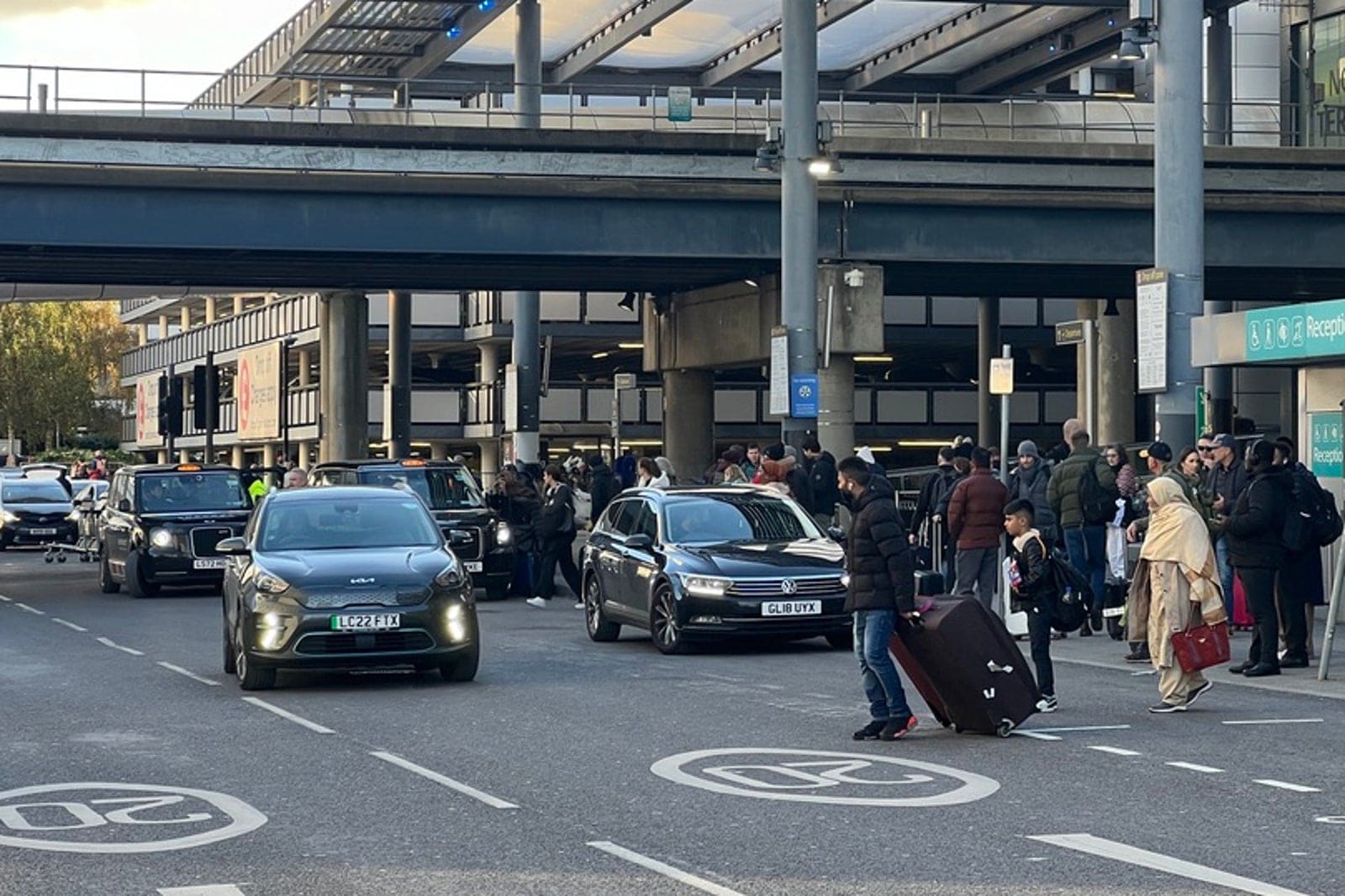
Dropping someone off at a UK airport has become noticeably more expensive. New analysis shows that sixteen out of twenty surveyed British airports have either introduced or raised their forecourt fees over the past twelve months, pushing the average cost up by roughly a third.
Gatwick and Stansted now sit at the top of the price list, charging £10 for ten and fifteen minutes respectively. Edinburgh and Bristol follow close behind at £8.50 for ten minutes. London City Airport, which until recently allowed free drop-offs, now charges £8 for just five minutes, making it the steepest rate per minute in the country.
The increases have been particularly sharp for some travelers. Electric vehicle owners at Edinburgh, for example, saw their costs jump by 183 percent after the airport eliminated a previous half-price concession.
A Global Outlier
The pricing gap between UK airports and their international counterparts is striking. None of the ten busiest airports across the European Union charge for drop-offs, according to the RAC, which conducted the research. Major global hubs including Dubai, Shanghai, and Istanbul also provide free forecourt access.
British airports do offer no-cost alternatives, but these typically involve parking in mid- or long-stay lots located some distance from terminals, followed by a shuttle bus ride. For travelers with luggage, tight schedules, or mobility concerns, that trade-off is often impractical.
The contrast raises questions about whether forecourt fees are truly necessary for traffic management or whether they have become a reliable revenue stream that airports are reluctant to give up.
The Business Case and the Backlash
Industry representatives defend the charges as essential to their operations. AirportsUK, the trade body representing British airports, points to differences in ownership and funding models. Most UK airports are privately owned and pay full commercial tax rates, while many European counterparts benefit from public ownership, state subsidies, or tax breaks.
The organization also argues that drop-off fees help manage congestion and address air quality concerns raised by local communities. Airports are required by government and local authorities to control traffic around their terminals, and charging for access is one tool they use to do so.
Still, the speed and scale of the increases have drawn criticism. Four airports, Liverpool John Lennon, East Midlands, Belfast City, and Southampton, held their fees steady this year, suggesting that blanket increases are not inevitable.
Hidden Costs and Enforcement
Beyond the advertised fees, there is another layer of risk for drivers. Some airports operate "park now, pay later" zones without physical barriers. Missing a sign or forgetting to pay online within the required window can result in penalty notices as high as £100.
The RAC has urged drivers to be cautious in these areas, noting that the fines feel disproportionate to the infraction. For someone who simply missed a payment deadline by a few hours, a £100 charge is a steep consequence.
A Political Response
The issue has caught the attention of lawmakers. Conservative peer Lord Moylan has proposed an amendment to the Civil Aviation Bill calling for a formal review of drop-off charges. Whether that leads to regulatory changes remains to be seen, but the growing public frustration suggests the topic will not fade quietly.
The Full Price List
For travelers planning trips this summer, here is what to expect at major UK airports. Gatwick and Stansted lead at £10, followed by Bristol and Edinburgh at £8.50. Bournemouth, Leeds Bradford, and London City charge £8. Aberdeen, Birmingham, Glasgow, Heathrow, Luton, and Southampton are at £7. Liverpool John Lennon and Newcastle sit at £6, with Manchester at £5.50. Belfast International and East Midlands charge £5, Cardiff £4.50, and Belfast City £4.
The range is wide, but the trend is clear. Forecourt access in the UK is no longer a courtesy, it is a priced service, and one that appears increasingly disconnected from international norms.