What Happened
A technical failure in the UK's National Air Traffic Services flight processing system brought air travel to a near standstill on Tuesday afternoon, forcing the cancellation of approximately 1,300 flights to and from UK airports. The breakdown began around 1pm and lasted roughly four hours before engineers at Nats identified and resolved the issue, according to the organisation.
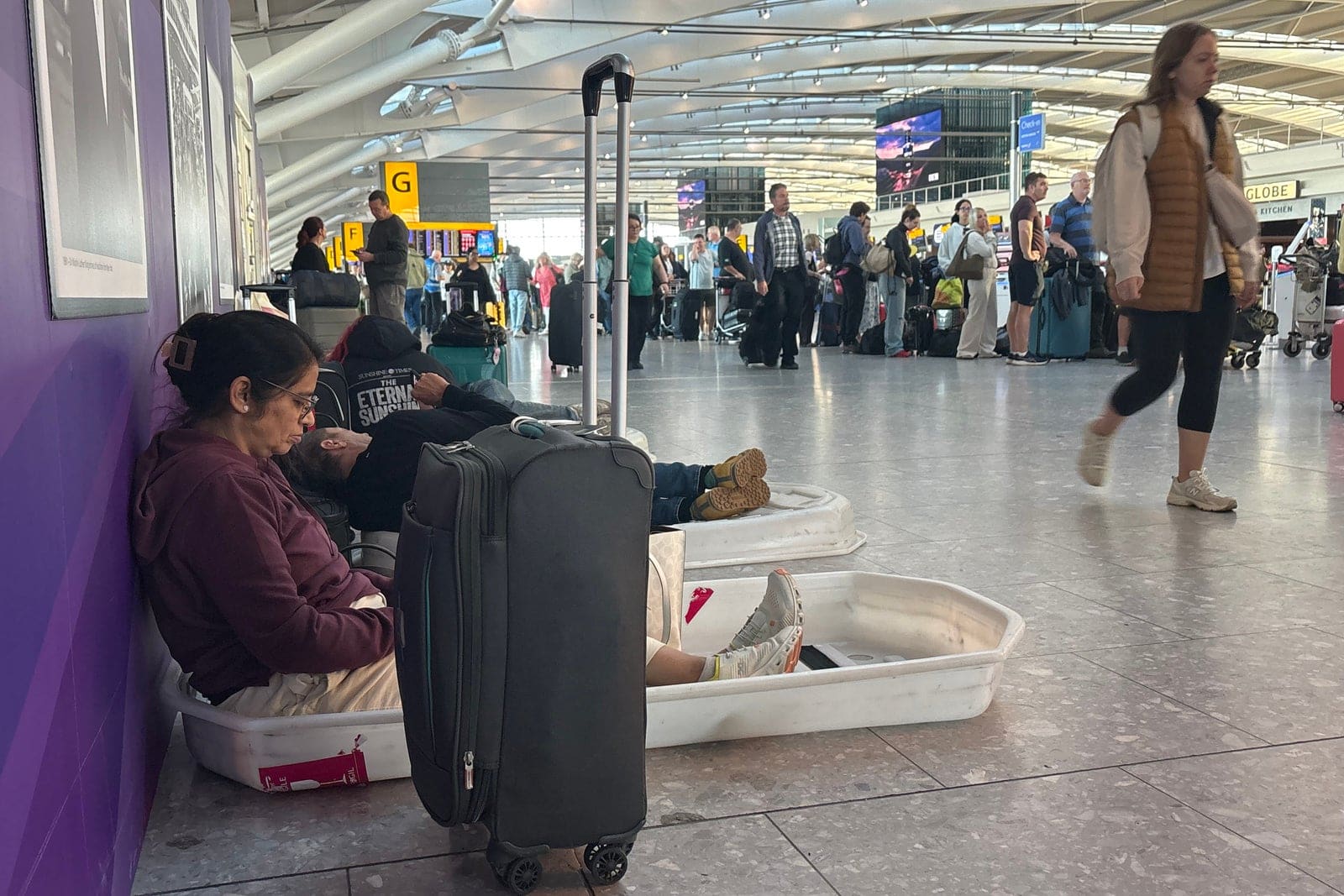
By that point, the damage was done. Tens of thousands of passengers had already abandoned their travel plans, and the backlog of delayed and cancelled flights continued to ripple through the system well into Wednesday morning. Flightradar24 recorded 279 additional cancellations early Wednesday at Heathrow and Gatwick alone.
The disruption affected nearly every major airport in the UK, including Heathrow, Gatwick, Manchester, Edinburgh, Glasgow, Birmingham, Bristol, and London's smaller hubs such as City, Stansted, and Southend. Regional airports in Aberdeen, Southampton, Belfast City, Liverpool, East Midlands, and Jersey also reported delays and cancellations.
The System at Fault
Martin Rolfe, chief executive of Nats, explained that the fault originated in the flight data processing system, the software responsible for handling flight plan information. He was quick to clarify that this was not the same system that failed during the August Bank Holiday weekend in 2023, suggesting the organisation has faced recurring technical vulnerabilities.
Rolfe is scheduled to brief transport secretary Heidi Alexander and is expected to tell MPs that a cyber attack was categorically not the cause. The exact nature of the fault remains under investigation, leaving passengers and airlines with little clarity on how such a critical failure could occur in a system designed with multiple redundancies.
The lack of transparency around the root cause is likely to fuel frustration, particularly given that air traffic control systems are meant to be fail-safe. The fact that engineers required four hours to diagnose and fix the problem raises questions about system monitoring and response protocols.
Recovery Takes Longer Than Expected
Nats initially suggested the system would be back to normal shortly after the fix was implemented, but air traffic chiefs later admitted that recovery had taken longer than anticipated. The backlog proved difficult to clear, with airlines scrambling to reposition aircraft and crew across a disrupted network.
By Wednesday morning, some airports reported a return to normal operations. Manchester and Bristol said flights were operating as usual, though delays persisted. Stansted told passengers to continue with their travel plans, describing operations as normal. Gatwick and Heathrow, the UK's two busiest airports, resumed flights but warned that disruption would continue as airlines worked to restore schedules.
The ripple effect of Tuesday's failure is expected to last days, not hours. When air traffic control goes down, the consequences extend far beyond the initial window of disruption. Aircraft end up in the wrong cities, crew members exceed their legal duty hours, and passengers miss connections, creating a cascade of complications that can take 48 to 72 hours to fully resolve.
What It Means for Passengers
For travellers caught in the chaos, the advice has been consistent but unhelpful: check with your airline before heading to the airport, and only travel if your flight is confirmed to be operating. That puts the burden on passengers to chase down information from airlines that are themselves struggling to assess the situation.
The scale of the disruption means thousands of people will be seeking refunds, rebooking, or compensation under UK and EU passenger rights regulations. Airlines are required to provide alternative flights or refunds for cancelled services, and in many cases must also cover meals, accommodation, and other expenses for stranded passengers.
The timing of the failure, on a Tuesday afternoon in early September, was at least less catastrophic than it might have been during peak summer travel or a bank holiday weekend. Still, the disruption affected a significant volume of business and leisure travel, with knock-on effects for hotels, car hire firms, and onward travel plans across Europe and beyond.
A Pattern of Fragility
This is not the first time Nats has faced scrutiny over system failures. The reference to a separate fault in August 2023 suggests a pattern of technical fragility that will likely draw regulatory and political attention. Air traffic control is a monopoly service in the UK, meaning there is no competitive pressure to drive investment in resilience or redundancy.
The incident also highlights the vulnerability of modern air travel to single points of failure. Despite decades of investment in automation and digital systems, a fault in one piece of software can still ground an entire national aviation network. The fact that engineers needed four hours to diagnose the problem suggests that backup systems either did not exist or did not function as intended.
For airlines, the disruption is both a logistical nightmare and a financial hit. Cancellations and delays cost carriers millions in compensation, rebooking, and lost revenue, and the reputational damage lingers. For passengers, it is a reminder that air travel, for all its sophistication, remains vulnerable to technical failures that can upend plans with little warning.