Four Hours That Grounded a Nation
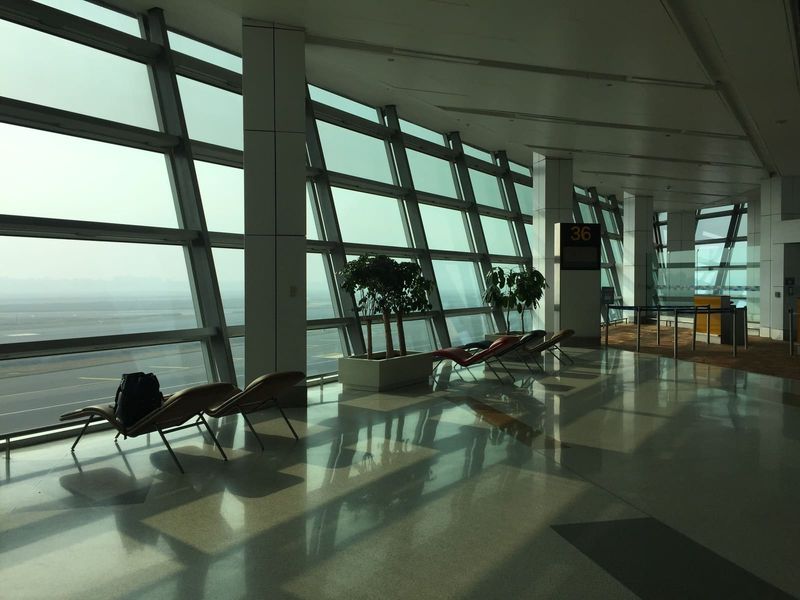
British airports spent days untangling the consequences of a four-hour technical failure at National Air Traffic Services on 8 September. The outage rippled through the system quickly: airlines cancelled flights, rerouted aircraft, and scrambled to reposition crews as the UK's air traffic control provider worked to restore normal operations.
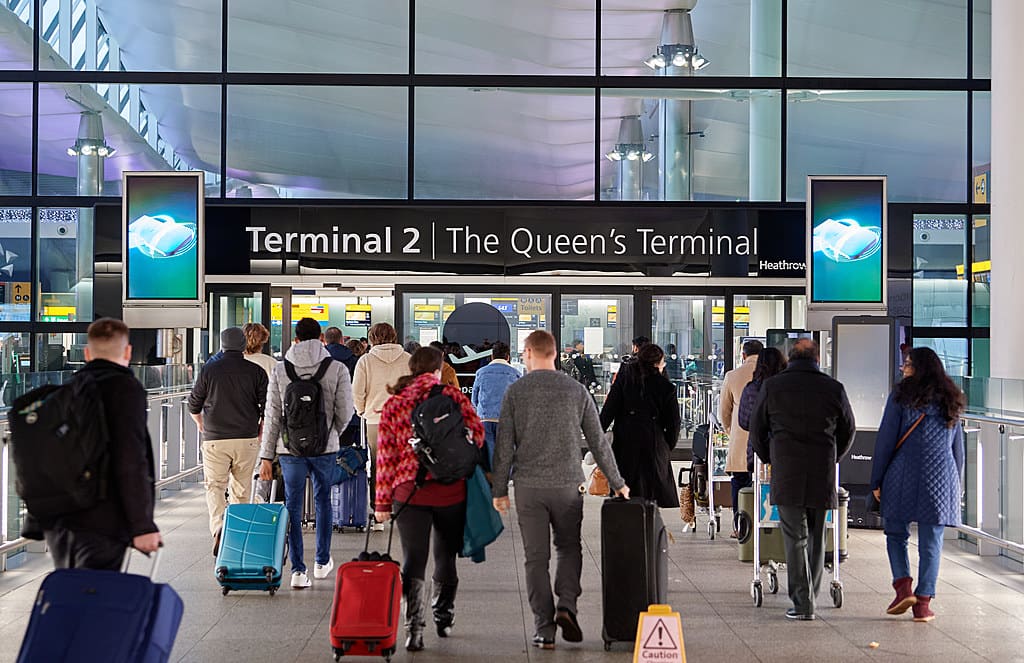
By Thursday evening, the backlog had largely cleared. Aviation analytics firm Cirium reported cancellation rates only marginally above typical levels, with 1.78 per cent of scheduled arrivals and 1.55 per cent of departures affected. Heathrow bore the brunt, with 23 inbound and 12 outbound flights cancelled that day.
The immediate crisis may be over, but the disruption touched more than 2,000 flights over three days. Airlines UK, the industry trade body, estimates that around 330,000 passengers faced delays or cancellations during the worst of it.
No Payout for Most Stranded Passengers
Travellers hoping for financial compensation will likely be disappointed. The UK Civil Aviation Authority has classified the outage as an "extraordinary circumstance" under passenger rights regulations, a designation that shields airlines from paying statutory compensation for delays and cancellations directly caused by the incident.
The distinction matters. Under normal circumstances, passengers facing long delays or last-minute cancellations can claim up to £520, depending on flight distance and delay length. But when disruption stems from events outside an airline's control, such as air traffic control failures, weather, or security threats, those payments don't apply.
Airlines still have obligations, though. Passengers are entitled to meals, refreshments, and hotel accommodation when disruption extends overnight. If a flight is cancelled, carriers must offer a refund or alternative transport. But cash compensation, the part that tends to generate the most frustration, won't be on the table for most.
A Pattern of Failures
This marks the third major system failure at National Air Traffic Services in three years. The organisation experienced similar outages in August 2023 and July 2025, a track record that's drawing scrutiny from regulators and politicians alike.
Transport Secretary Heidi Alexander has requested a rapid internal review from NATS, with findings due within a week. She's also asked the Civil Aviation Authority to conduct an independent investigation, expected to report within six months. Alexander said publicly she does not believe the latest failure was unavoidable, a pointed comment that suggests official patience is wearing thin.
Martin Rolfe, chief executive of NATS, has ruled out a cyber attack as the cause. Beyond that, details remain scarce. The organisation is conducting its own investigation, but the pressure to explain what went wrong, and why it keeps happening, is mounting.
What Resilience Looks Like
Air travel depends on invisible infrastructure. Most passengers never think about the software and systems that keep aircraft separated in the sky until something breaks. When it does, the consequences cascade quickly. A four-hour outage becomes three days of disruption as airlines work to put planes and crew back where they need to be.
The financial cost falls unevenly. Airlines absorb the expense of re-accommodating passengers, rebooking flights, and paying for hotels. Passengers lose time, miss connections, and bear the stress of uncertainty. And while some will be reimbursed for out-of-pocket expenses, many won't see compensation that reflects the scale of the inconvenience.
The question now is whether the UK's air traffic control system can be made reliable enough to prevent a repeat. Three failures in three years suggests a structural problem, not a run of bad luck. The independent review may offer answers, but the travellers stranded this week are unlikely to wait six months to book their next trip.