A European Feature Crosses the Atlantic
United Airlines is borrowing a page from European short-haul playbooks. The carrier announced it will introduce a blocked middle seat configuration in one row of its Economy Plus cabin aboard the new Airbus A321XLR, expected to enter service in fall 2026. Instead of a standard middle seat, passengers will find an armrest-to-armrest shared table with cup holders.
The approach is standard practice for many European carriers flying business class on short and medium routes, but it remains rare in the United States. Frontier Airlines launched a similar product called UpFront Plus in spring 2024, making it one of the few American carriers to experiment with the format. United's version will sit within its existing Economy Plus product, which already offers additional legroom compared to standard economy.
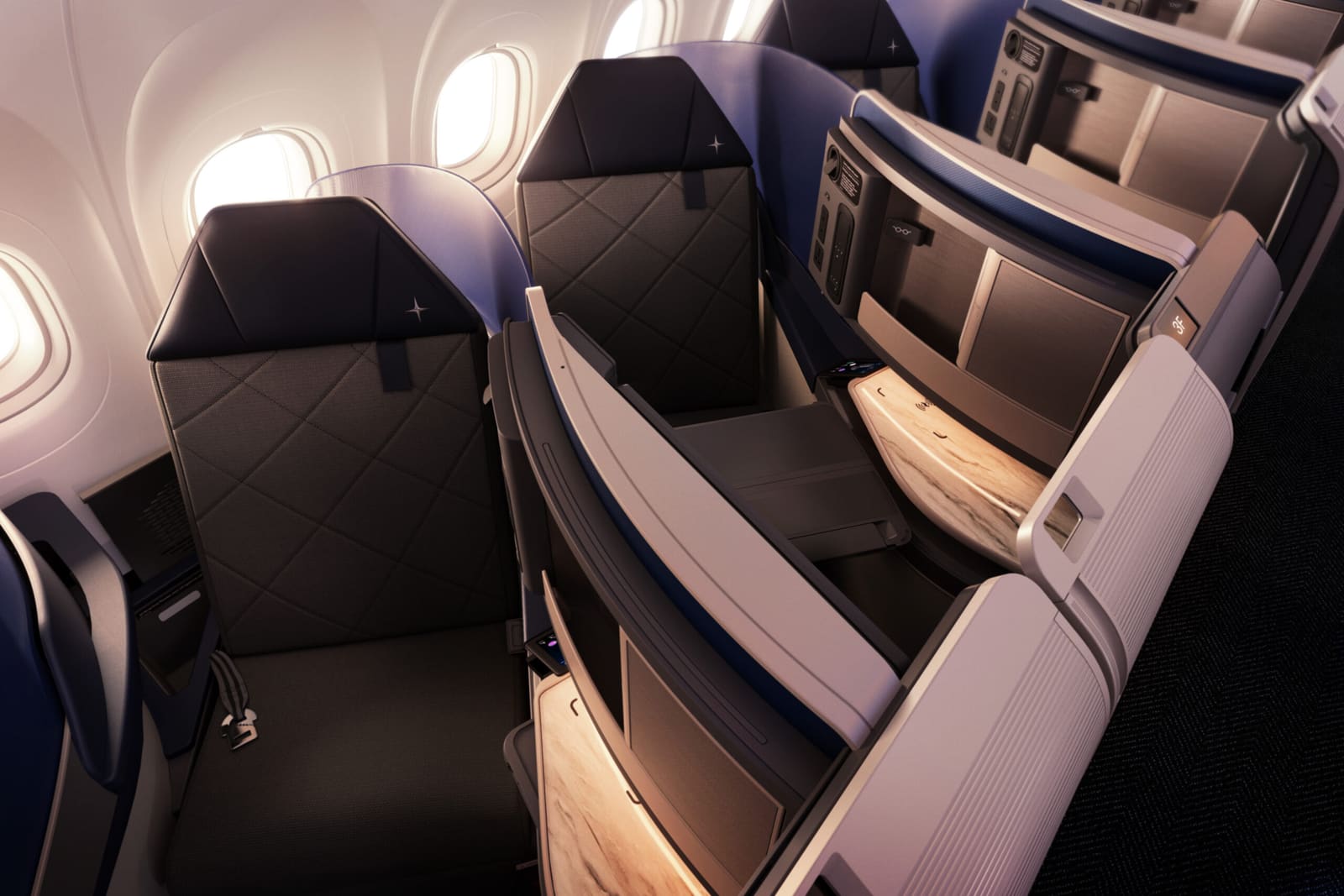
Andrew Nocella, United's executive vice president and chief commercial officer, positioned the move as part of a broader fleet investment. The A321XLR will also feature all-aisle-access lie-flat seats in Polaris business class, plus upgraded in-flight entertainment across all cabins.
Six Tiers, One Plane
With the new option, United will offer six distinct seat categories on the A321XLR: Polaris business, Premium Plus premium economy, the blocked middle seat Economy Plus, standard Economy Plus, Preferred Seating at the front of the economy cabin, and United Economy. The airline has not yet disclosed pricing for the blocked middle seat row, nor has it confirmed an exact launch date beyond "fall 2026."
United has ordered 50 A321XLRs in total. The aircraft will initially operate on domestic routes before expanding to short and medium-haul international flights in early 2027. By 2028, the carrier expects about 25 of the planes to be in service, with some replacing aging Boeing 757s.
More Than Just Seats
The A321XLR will also debut other cabin upgrades. According to United, the aircraft will feature 4K OLED entertainment screens with Bluetooth connectivity throughout, a self-service snack station in economy, and larger overhead bins. The Polaris seats will include privacy doors, a feature the carrier has been rolling out across its long-haul fleet.
The blocked middle seat announcement follows United's unveiling of another seating product earlier this year. The carrier plans to launch Relax Row in 2027 on its Boeing 787 and 777 aircraft, allowing passengers to purchase a row of three economy seats that can convert into a couch using adjustable leg rests. That option will sit between standard economy and Premium Plus.
A Trend Worth Watching
The blocked middle seat format raises questions about how airlines balance yield and passenger comfort. European carriers have long used the configuration as a low-cost way to differentiate business class on short flights, where demand for full flat-bed seats is limited. In the U.S., where domestic premium cabins typically feature wider seats with more pitch, the blocked middle approach has been slower to catch on.
United's experiment will test whether American travelers value the extra elbow room and table space enough to pay a premium. If successful, the format could offer a middle ground for passengers who want more space than economy but are unwilling to pay for Premium Plus or business class. The carrier's decision to limit the option to one row suggests it is proceeding cautiously, likely gauging demand before expanding the configuration across more aircraft.
The A321XLR itself represents a shift in how airlines approach route planning. With a range of up to 4,700 nautical miles, the aircraft allows carriers to operate narrow-body planes on routes traditionally served by wide-bodies, potentially opening thinner long-haul markets that cannot support larger jets. United's choice to outfit the plane with a diverse seating mix reflects an effort to maximize revenue across different passenger segments on these routes.