A Push Into Underserved Markets
United Airlines has outlined plans to serve ten new international cities starting in early 2027, according to the carrier. The expansion focuses on secondary European cities and a Japanese island destination, with most of the new routes launching from Newark, the airline's largest transatlantic gateway.
Eight of the ten destinations will mark the first time any U.S. airline has offered nonstop service to those cities, United said. The list includes Okinawa, Japan; Toulouse and Marseille in southern France; Luxembourg City; Ibiza and Valencia, Spain; Terceira in Portugal's Azores archipelago; Ljubljana, Slovenia; and Olbia and Catania in Italy.
Service from San Francisco to Okinawa will start March 27, 2027, operating three times weekly. Washington Dulles will add daily flights to Toulouse beginning April 26. Newark will handle the bulk of the expansion, with eight new destinations including daily service to Luxembourg from April 2.
Beyond the New Cities
The airline is also adding flights to places it already serves. Los Angeles will gain a connection to Osaka, Japan, starting March 27. Washington Dulles will begin flights to Milan on May 28, and Denver will add service to Paris on May 27. United also plans to restart flights between San Francisco and Tel Aviv on March 28.
Patrick Quayle, United's Senior Vice President of Global Network Planning and Alliances, said the carrier has added service to nearly 60 new international cities over the past decade. The strategy appears aimed at offering a wider range of destinations than competitors, particularly in cities that have historically required connections through European or Asian hubs.
The Aircraft Behind the Expansion
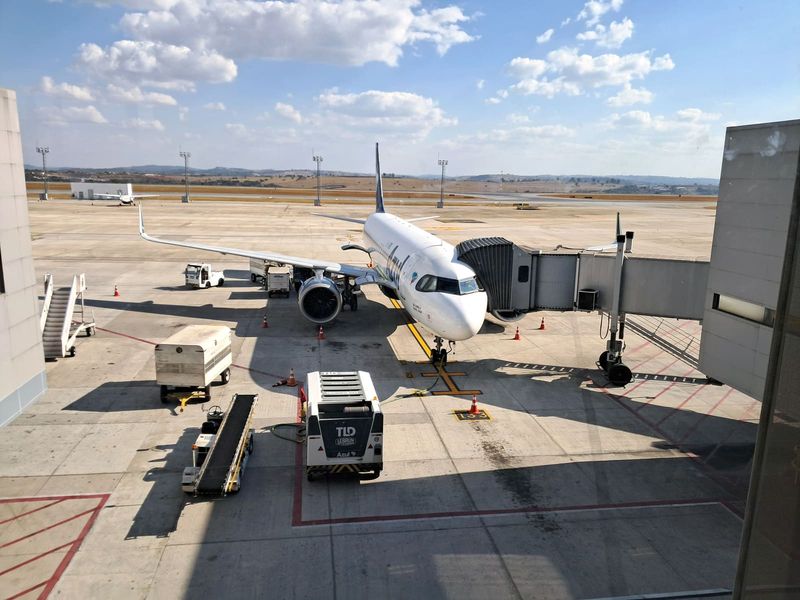
Several of the new European routes will be operated by the Airbus A321XLR, a single-aisle jet designed for long, thin routes that might not fill a widebody aircraft. United will use the plane on flights from Newark to Luxembourg, Ibiza, Valencia, and Marseille, as well as Washington Dulles to Toulouse.
The A321XLR features United Polaris business-class suites with privacy doors, a product typically found on widebody aircraft. The plane also includes Economy Plus seating and other cabin upgrades, according to the carrier.
Washington Dulles will be the first United hub to operate the A321XLR internationally, with service to Amsterdam and Dublin beginning December 1. Tickets for those inaugural flights are scheduled to go on sale August 27.
What It Means for Travelers
The expansion reflects a broader trend among U.S. carriers to serve smaller international cities that have grown in popularity but lack direct air links. Many of the destinations on United's list are leisure markets that have historically been accessible only via connecting flights through major European hubs like London, Paris, or Frankfurt.
Okinawa, for example, is a beach destination in southern Japan that has seen growing interest from international travelers but has limited long-haul service. Toulouse is France's fourth-largest city and home to Airbus headquarters, suggesting potential demand from both business and leisure travelers. Ljubljana, the capital of Slovenia, has emerged as a Central European destination in recent years but remains relatively difficult to reach from the United States.
The economics of these routes will depend on whether United can sustain year-round demand or whether some flights will operate seasonally. The airline did not specify whether all routes will be year-round, though it listed daily frequencies for several of them.
The A321XLR's role in the expansion is significant. The aircraft's range allows airlines to serve destinations that would be unprofitable with a larger, more expensive widebody jet. That opens up possibilities for routes that might have been dismissed in the past due to insufficient demand.
For travelers, the new routes eliminate the need for connections in crowded European airports, saving time and reducing the risk of missed connections or delayed luggage. The trade-off is typically a longer flight in a narrower cabin compared to widebody aircraft, though United's decision to install its premium Polaris product on the A321XLR may ease that concern for business-class passengers.
Whether these routes endure will depend on factors beyond United's control, including economic conditions, currency fluctuations, and shifting travel preferences. But for now, the expansion offers more direct options for travelers heading to parts of Europe and Asia that have been underserved by U.S. carriers.