A Shift From Document Checks to Cameras
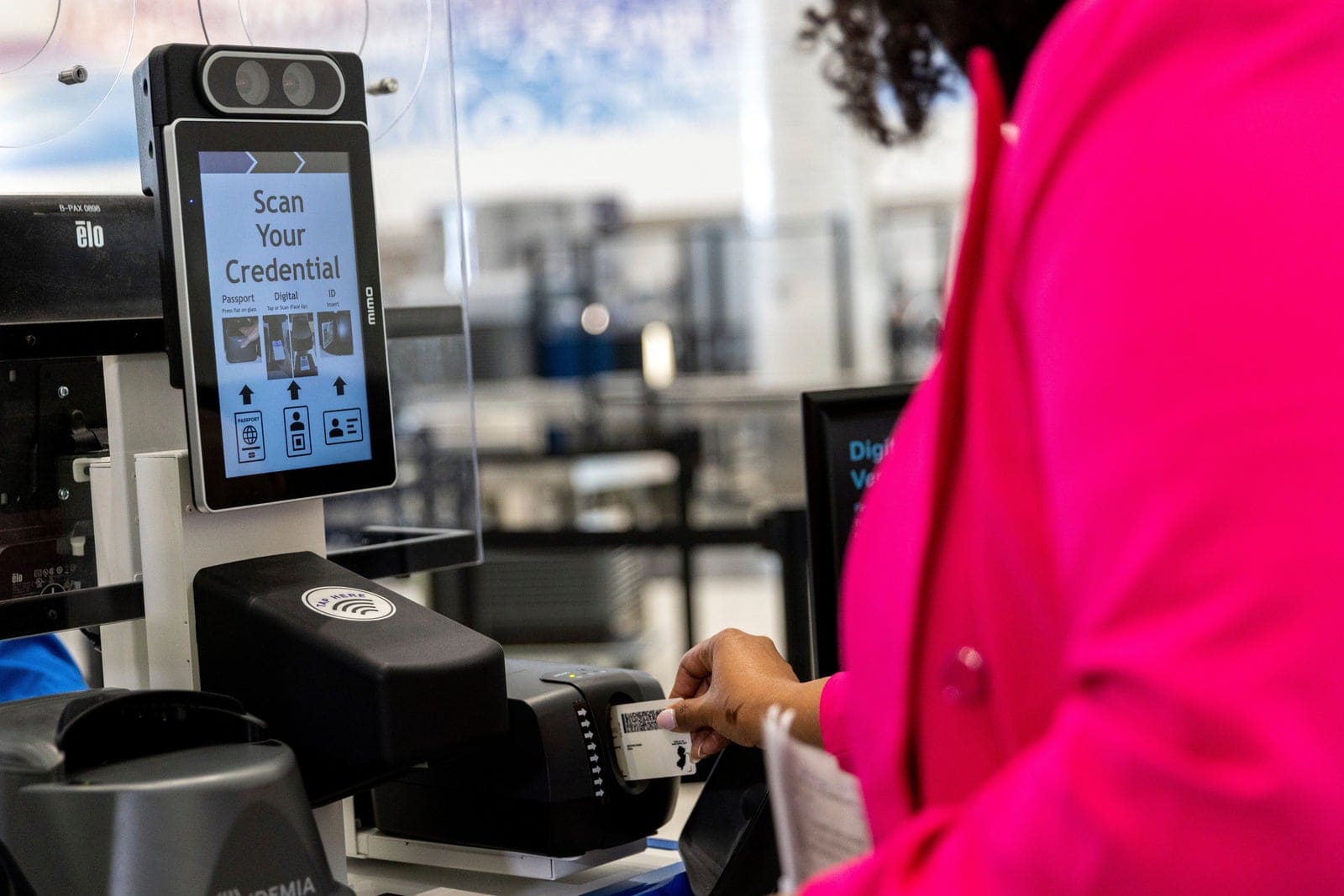
Walk up to a screen. Look into a camera. Move on. That sequence may soon define how most international travelers enter the United States, as customs officials accelerate plans to replace manual passport checks with facial recognition systems.
US Customs and Border Protection already operates facial comparison technology at 238 airports nationwide, according to Diane Sabatino, the agency's executive assistant commissioner for field operations. The system matches a live photo against an existing government image, typically from a passport or visa application. For travelers enrolled in the Global Entry trusted-traveler program, a pilot called Seamless Border Entry clears them in under three seconds at seven airports.
Within a few years, Sabatino said, Global Entry members will walk through without stopping at most US airports, unless an officer flags them for conversation. The agency's strategic plan for 2026 through 2030 prioritizes shifting from manual paperwork to digital, contactless workflows.
Why Customs Wants to Automate
CBP screens roughly 390,000 travelers daily at airports alone. The agency frames facial recognition as a way to free officers from repetitive administrative tasks, such as swiping documents and cross-checking databases, so they can focus on assessing intent and identifying threats.
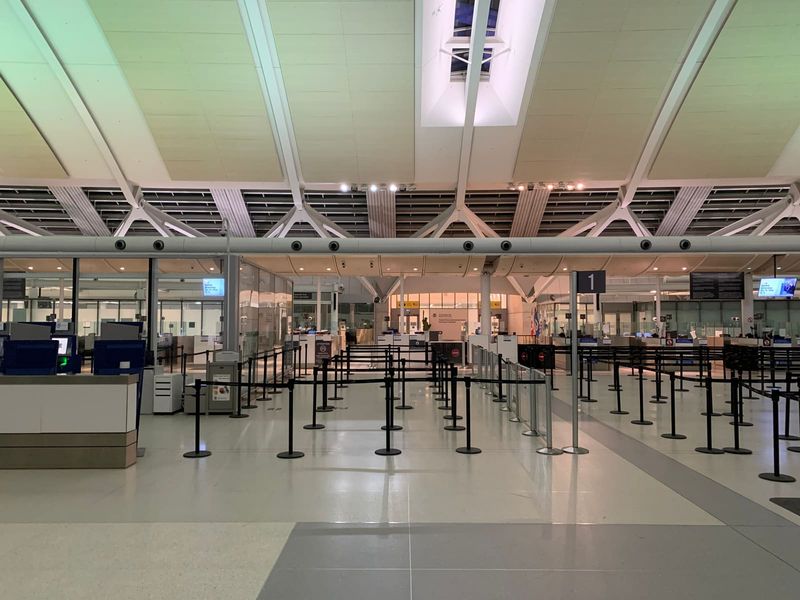
Sabatino described the old process: officers sitting in booths, handling stacks of documents, directing passengers to a second checkpoint for customs clearance. The new model consolidates those steps, she said, into a single touchpoint where technology handles verification and officers intervene only when needed.
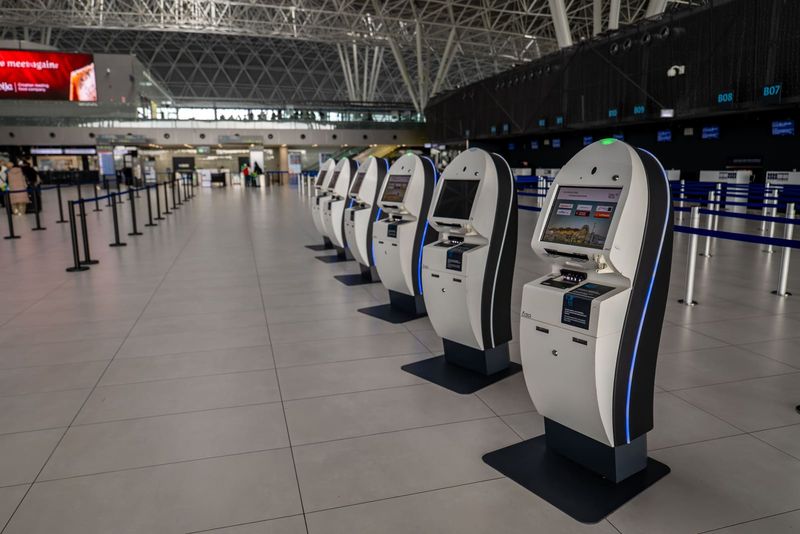
Enhanced Passenger Processing, launched in May 2025, already allows US citizens to complete identity checks at self-service kiosks at 33 airports. A faster variant for pre-vetted Global Entry holders operates at a handful of hubs.
Who Can Say No
American citizens retain the right to refuse a face scan. Travelers can request a manual document check from a CBP officer at any point. Those using Enhanced Passenger Processing kiosks who prefer not to have their photo taken can alert an officer and be routed to a separate line for traditional verification, according to the agency's published guidelines.
Foreign nationals have no such option. Since December 2025, all visitors entering or leaving the United States must submit to biometric identity checks, whether they arrive by air, land, or sea. That requirement now extends to children under 17 and adults over 79, groups previously exempt under an earlier rule. Both face scans and fingerprints are collected on arrival and departure.
Privacy and Accuracy Questions
The expansion comes without a broad public debate over accuracy, data retention, or the potential for misidentification. Facial recognition systems have documented higher error rates for women, people of color, and the elderly, raising concerns about unequal treatment at checkpoints.
CBP has not published detailed performance metrics for its airport biometric systems, nor has it specified how long images are stored or who else may access them. The agency says photos of US citizens taken during entry processing are deleted within 12 hours, but images of foreign visitors are retained in Department of Homeland Security databases.
Civil liberties groups argue that normalizing face scans for routine travel erodes expectations of privacy and sets a precedent for broader surveillance. For now, the distinction remains sharp: Americans can opt out; visitors cannot.
What Happens Next
The rollout will accelerate as CBP integrates biometric systems into more airports and expands eligibility for fast-track programs. Officers will spend less time at static checkpoints and more time circulating among passengers, Sabatino suggested.
For travelers, the practical effect depends on citizenship. US passport holders who object to face scans will still find a manual option, though it may require asking for it explicitly. Everyone else will step in front of the camera as a condition of entry.