A Decades-Old Restriction Lifted
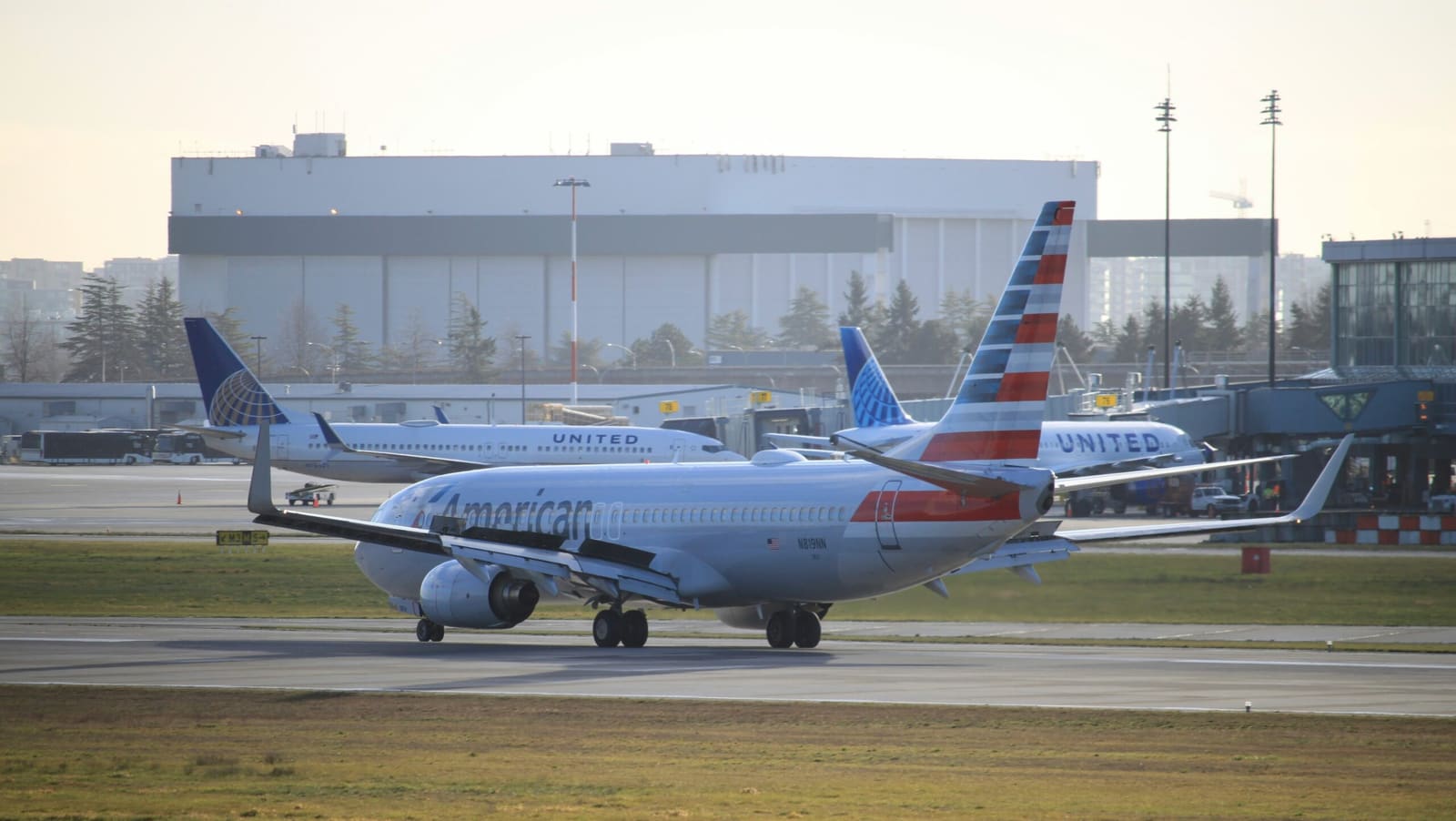
The White House announced on 21 July that US carriers may once again operate direct flights to Lebanon, ending a prohibition that has stood since 1985. President Donald Trump issued the directive following a meeting with Lebanese President Joseph Aoun, marking the first visit to Washington by a Lebanese head of state in 17 years.
The policy shift opens the door to nonstop service between the two countries, though significant practical and security hurdles remain. No airline has yet committed to launching a route or announced a timeline for service.
Trump said the decision would allow Americans to visit Lebanon more easily and expressed hope that other nations might follow suit. Prime Minister Nawaf Salam welcomed the move, describing it as an opportunity to boost connectivity and support Lebanon's economy.
Why Flights Stopped in 1985
Direct service between the US and Lebanon was suspended under the Reagan administration after TWA Flight 847 was hijacked shortly after departing Athens in June 1985. The aircraft was diverted to Beirut, where hijackers held passengers hostage for more than two weeks. US Navy diver Robert Stethem was killed during the crisis, and the incident became one of the most high-profile acts of air terrorism in the 1980s.
Washington responded by prohibiting American carriers from flying to Lebanon, a ban that remained in force for over 40 years. During that time, passengers traveling between the US and Lebanon had to connect through hubs in Europe or the Middle East, adding hours to the journey.
The lifting of the ban is largely symbolic for now. Restoring actual service will depend on airlines assessing both the security environment and commercial viability of the routes.
Security Reviews Come Next
Before any carrier can begin flying to Beirut, the US Federal Aviation Administration must conduct a thorough security assessment of Rafic Hariri International Airport and certify that it meets American safety standards. The FAA said it looks forward to working with airlines and government agencies to implement the directive and support the safe return of flights.
Lebanon currently operates one international passenger airport, located south of the capital. The facility remained open through much of the recent conflict between Israel and Hezbollah, though operations were periodically disrupted. The country is also working to convert a former military airbase at Qlayaat, near the Syrian border, into a second civilian gateway.
The US State Department continues to advise against travel to Lebanon, citing risks that include armed conflict, terrorism, kidnapping and civil unrest. That advisory is unlikely to change quickly, and it complicates the case for airlines considering whether to commit aircraft and crews to the market.
Will Airlines Actually Fly?
Even with regulatory clearance, US carriers face a difficult calculation. Demand from the Lebanese diaspora in the United States is substantial, particularly in cities like Detroit, Los Angeles and New York, but airlines must weigh that against operational costs, insurance premiums and the reputational risk of flying into a region with ongoing instability.
Middle Eastern and European carriers have maintained service to Beirut throughout the ban, offering one-stop connections that many travelers have come to rely on. Direct flights would save time, but they would also need to be priced competitively and operate frequently enough to build a passenger base.
Lebanon's aviation market has been shaped by decades of conflict, economic crisis and infrastructure strain. The country's flag carrier, Middle East Airlines, has kept flying through multiple wars, but its operations have been constrained by fuel shortages, currency devaluation and political paralysis.
Restoring direct US service would be a meaningful step for Lebanon's international image and for the estimated several hundred thousand Lebanese Americans who maintain ties to the country. But the timeline for that restoration remains unclear, and the decision now rests with airlines rather than governments.
A Symbolic Shift With Practical Limits
The White House directive represents a significant policy reversal, one that acknowledges both the passage of time since 1985 and the diplomatic importance of strengthening ties with Lebanon. Aoun's visit to Washington was part of a broader effort to secure international support for stability following years of internal strife and external conflict.
Yet symbols and operations are different things. The FAA's security review will take time, and airlines will need to see a stable operating environment before committing to routes. Insurance costs for flights into conflict-adjacent regions can be prohibitive, and crew scheduling becomes more complex when destinations carry elevated risk.
For now, the announcement offers a signal of intent rather than an immediate change in how people travel between the US and Lebanon. The next few months will reveal whether that intent translates into actual flights, or whether the lifting of the ban remains a diplomatic gesture without commercial follow-through.
If carriers do return, it will mark the end of one of the longest suspensions of direct air service between the United States and a foreign capital, and a tentative vote of confidence in Lebanon's ability to manage its airspace and airports under challenging conditions.