A Decade of Drift
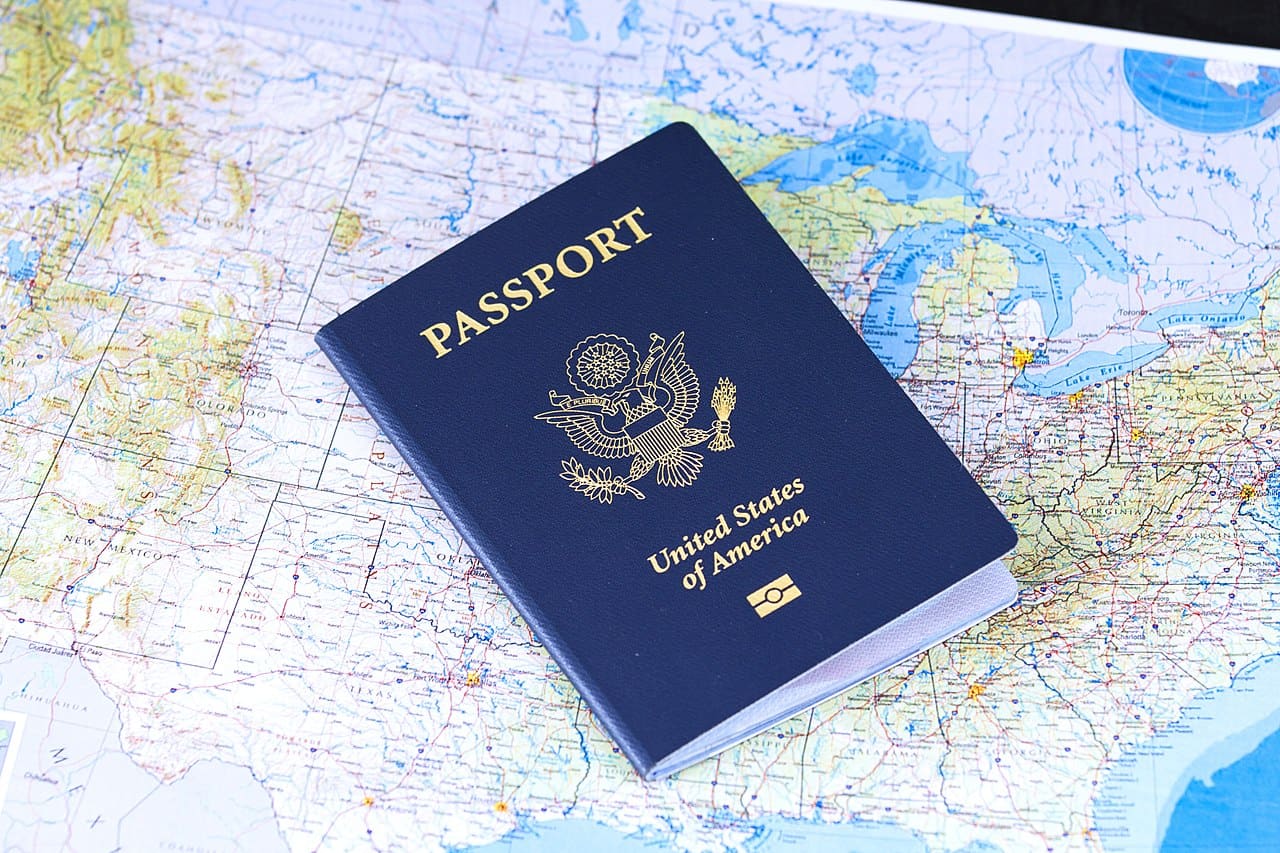
The American passport sits at tenth place in global mobility rankings, unchanged since January and a far cry from its historic dominance. According to the Henley Passport Index, which measures visa-free travel access, U.S. passport holders can now visit 180 destinations without advance visas, just one more than six months ago.
The stagnation marks a continuation of a longer slide. Last October, the U.S. fell to twelfth place for the first time in the index's two decades of tracking. While it recovered slightly to tenth, the country now trails 36 other nations in passport power, many of them sharing higher ranks.
The plateau reflects what analysts describe as a shift in global mobility patterns. Traditional Western powers no longer monopolize the top spots. The United Kingdom, once ranked third, has dropped to sixth over the past twenty years, part of what Henley describes as a move away from transatlantic dominance.
Gulf Momentum
While established passport powers tread water, Gulf states have been climbing steadily. The United Arab Emirates stands out for its rapid ascent, driven by aggressive diplomatic outreach and bilateral visa agreements. The strategy has paid off in measurable access gains, positioning the UAE as a case study in how targeted policy can reshape travel freedom.
The approach contrasts sharply with the U.S. experience. American diplomatic efforts on visa policy have remained largely reactive, focused on security concerns rather than expanding access for citizens. The result is a passport that opens fewer doors than it once did, relative to global peers.
Other countries have taken note. Singapore, Japan, and several European nations maintain top-tier positions through a mix of diplomatic reciprocity, economic leverage, and stability. Their citizens enjoy broader travel access than Americans, a shift that carries implications beyond tourism.
Business Costs
Passport rankings matter most to the people and companies that depend on cross-border movement. For business travelers, visa requirements translate directly into time and money. An American executive flying to China faces application fees, processing delays, and documentation hurdles that competitors from visa-exempt countries avoid entirely.
The friction adds up. A last-minute business trip becomes impossible when a visa takes weeks to process. Conference attendance gets complicated. Site visits and client meetings require advance planning that some markets simply do not demand from other nationalities.
Travel companies track these patterns closely. Airlines adjust route networks based on demand shaped partly by visa policies. Hotels see booking patterns shift when access rules change. Tour operators build itineraries around which nationalities can move freely and which cannot.
What Drives Change
Passport power does not improve by accident. Countries that have climbed the rankings typically pursued deliberate strategies: signing reciprocal visa-waiver agreements, strengthening diplomatic ties, demonstrating low overstay rates, and building reputations for rule-following travelers.
The UAE's rise illustrates the formula. The country has negotiated dozens of new visa agreements in recent years, often linking them to trade deals and investment partnerships. The approach treats visa access as a component of economic diplomacy, not just a consular service.
The U.S. faces different constraints. Security concerns weigh heavily in American visa policy, and reciprocity cuts both ways. When the U.S. maintains strict entry requirements for certain countries, those countries have less incentive to offer Americans easy access. The dynamic creates a feedback loop that is difficult to reverse.
Demographic factors play a role too. Countries with higher rates of illegal immigration or overstays face skepticism when negotiating visa waivers. The perception, fair or not, shapes what access their citizens receive abroad.
Lagging Indicators
Passport rankings capture a snapshot of current access, but they lag behind the policy decisions that drive change. A country might sign a new visa agreement today that takes months to appear in the data. Conversely, a ranking boost might reflect diplomatic work done years earlier.
For travelers, the index offers a useful benchmark but not a complete picture. Visa-free access does not always mean easy entry. Some countries allow visa-free arrival but impose strict conditions, short stays, or unpredictable enforcement. Others offer visa-on-arrival programs that function almost identically to visa-free entry but do not count in the rankings.
The real value lies in tracking trends over time. A passport that consistently gains access signals a country investing in global engagement. One that stalls or declines suggests shifting priorities or diminished influence.
What Comes Next
The U.S. is unlikely to reclaim the top spots without significant policy changes. That would require a willingness to negotiate new visa-waiver agreements, ease entry requirements for partner countries, and treat travel access as a strategic priority rather than an afterthought.
Whether that happens depends partly on how much the decline matters to American interests. For leisure travelers, the difference between tenth and first place is marginal. Most popular destinations remain accessible. But for business, education, and diplomacy, the gap has tangible consequences.
Other countries will keep pushing forward. The Gulf states show no signs of slowing their diplomatic campaigns. Asian nations continue to strengthen regional travel agreements. European countries maintain their positions through careful reciprocity.
Passport power is not fixed. It reflects choices about openness, security, and engagement. The U.S. passport remains strong by any historical measure, but the rest of the world has been catching up and, in some cases, pulling ahead.