More Seats, More Options
Vietnam Airlines is stepping up its service to Northeast Asia with a wave of new frequencies across several key routes. The expansion targets three markets that have become increasingly important for Vietnamese travelers and their counterparts heading the other direction: Japan, South Korea, and Taiwan.
From Hanoi, the airline is boosting its Taipei service from seven to 11 flights per week. The Hanoi-Osaka route will see an even bigger jump. Between late October and the end of November this year, frequencies will climb to 11 weekly departures. Come December, that number rises again to 14, effectively offering two flights daily for travelers who need flexibility.
Over in Da Nang, the airline has been quietly building out its Northeast Asia connections. The Da Nang-Seoul route now operates 14 times a week, while Tokyo sees 11 weekly flights and Osaka gets five. For passengers in central Vietnam, that translates to more direct options without routing through Hanoi or Ho Chi Minh City.
Promotional Fares to Match
Vietnam Airlines announced special round-trip fares to accompany the schedule changes. Hanoi to Taipei starts at around 220 British pounds, taxes and fees included. Hanoi to Osaka begins at roughly 417 pounds. Both figures are based on promotional pricing available for tickets issued by the end of July.
There are some conditions. Travel on the Taipei route must be completed by July 31, while Osaka bookings remain valid through the end of December. Frequent flyers enrolled in the carrier's Lotusmiles program can also collect bonus miles depending on the fare class they book.
The fares are competitive but not dramatically below market averages for the region. They do, however, offer a nudge for travelers who have been weighing a trip and prefer to lock in plans before peak season pricing takes hold.
Why Northeast Asia Matters
The three markets Vietnam Airlines is targeting are not random picks. According to Vietnam's Ministry of Finance, South Korea was the second-largest source of international visitors to Vietnam in the first half of this year, sending more than 2.16 million arrivals. Japan and Taiwan contribute steady traffic as well, driven by a mix of tourism, business investment, and family visits.
The relationship runs both ways. Vietnamese travelers are increasingly heading to Japan for shopping and cultural tourism, to South Korea for entertainment and medical services, and to Taiwan for business and education. Trade ties have deepened, and so have cultural exchanges, particularly as visa policies have relaxed in recent years.
For Vietnam Airlines, Northeast Asia represents a reliable revenue stream with room to grow. The routes are mature enough to support frequent service but still expanding as middle-class travel accelerates across the region.
Part of a Broader Push
The Northeast Asia expansion is one piece of a larger strategy. Earlier this year, Vietnam Airlines launched new direct routes to Amsterdam, Phuket, and Colombo. The carrier is clearly positioning itself to capture both regional and long-haul traffic, betting that Vietnam's economic growth and rising tourism appeal will sustain demand.
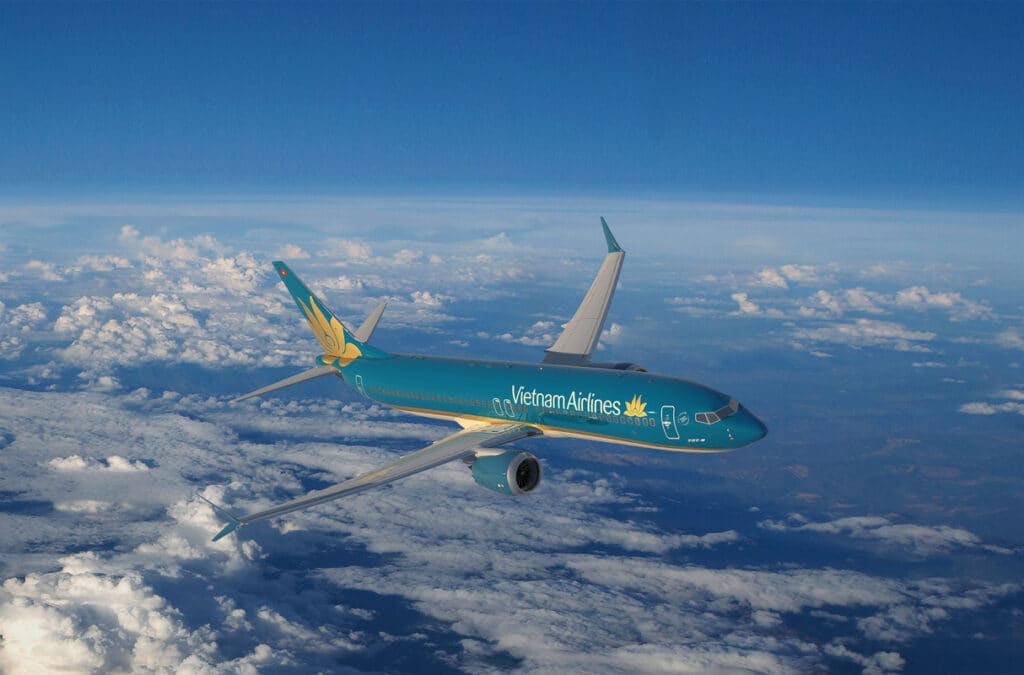
The airline operates a relatively modern fleet, including Boeing 787 Dreamliners and Airbus A350s, which helps keep operating costs manageable on longer routes. On shorter regional hops, the carrier deploys A320 and A321neo aircraft. That fleet mix gives it flexibility to adjust capacity as demand shifts.
Vietnam Airlines is also a member of SkyTeam, which provides connectivity advantages for passengers traveling beyond its own network. That alliance membership becomes especially useful on routes where the carrier can feed traffic into hubs like Seoul, Tokyo, and Taipei for onward connections to North America or Europe.
What It Means for Travelers
For passengers, the immediate benefit is choice. More frequencies mean more departure times, shorter layovers, and better odds of finding a seat during busy periods. Business travelers, in particular, tend to value same-day flexibility, and the move to two daily flights on Hanoi-Osaka addresses that.
The expansion also signals confidence in sustained demand, at least through the end of the year. Airlines rarely add capacity without forward bookings or load factor data to back it up. The fact that Vietnam Airlines is committing to these increases suggests it sees both leisure and corporate travel holding steady, even as some other markets show signs of cooling.
There are trade-offs. More flights can mean more competition, which is good for fares but can also lead to schedule volatility if demand doesn't materialize as expected. And while promotional pricing is attractive, travelers should compare carefully. Low-cost carriers in the region sometimes undercut full-service airlines on base fares, though they typically charge extra for checked bags, seat selection, and meals.
Looking Ahead
Vietnam Airlines has not announced further route expansions beyond what is already scheduled, but the pattern suggests more could be coming. The carrier has been methodically adding frequencies on proven routes rather than launching entirely new destinations, a strategy that minimizes risk while still growing the network.
For now, the focus remains squarely on Northeast Asia. The region offers a combination of high demand, manageable flight times, and strong yields, making it an ideal target for capacity growth. Whether that momentum continues into next year will depend on broader economic conditions, fuel prices, and competition from both legacy and low-cost carriers in the region.
For travelers planning trips between Vietnam and Japan, South Korea, or Taiwan, the expanded schedule is welcome news. More seats, more choices, and a bit of promotional pricing to sweeten the deal.