Ships Stuck in Port
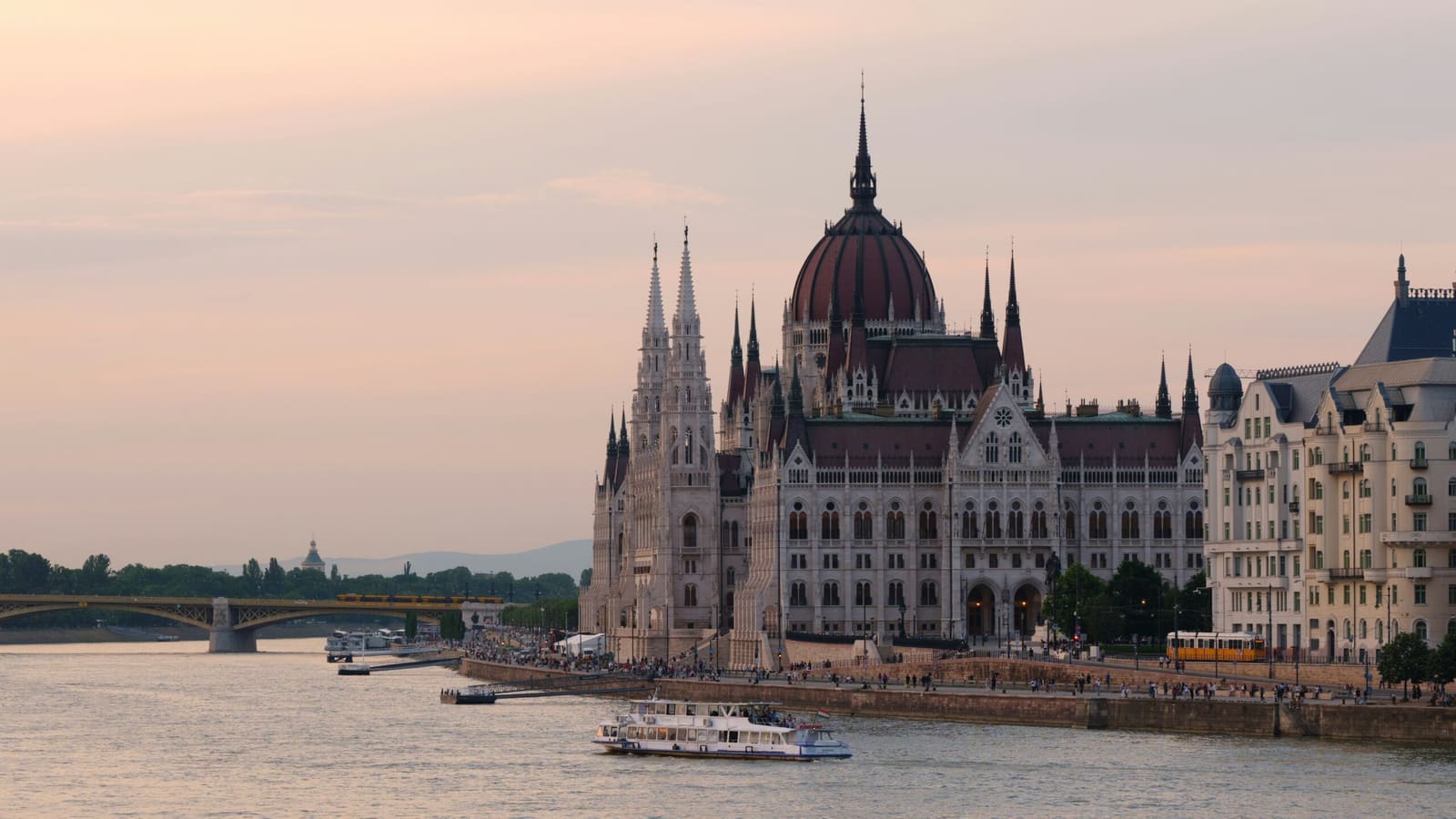
The Danube is now just eight centimeters above its all-time low of 38 centimeters, recorded in 2018. That narrow margin has left several cruise ships stranded or waiting in Budapest, unable to navigate north toward ports like Gönyű and Komárom. According to MAHART-PassNave, Hungary's largest passenger cruising company, vessels can still enter the country but face severe operational limits once they arrive. Laszlo Somodi, the company's chief executive, confirmed that low water has forced multiple ships to remain docked.
The immediate consequence has been a sharp drop in bookings. Reservations for July fell 18 percent as travelers canceled trips after learning that northern sightseeing routes were inaccessible. Avalon Waterways reported that it had scrapped a handful of departures on both the Danube and the Rhine, citing unsafe water conditions.
A Pattern, Not an Anomaly
This is not the first time drought has disrupted river traffic. A severe episode in 2022 halted shipping and exposed sunken warships from World War II. Historical records suggest that low water has plagued the Danube for centuries. During the fourth and fifth centuries AD, Attila the Hun reportedly demanded a wide strip of land along the river, a move some historians interpret as an effort to secure better grazing territory during another period of drought.
Rain is forecast for the coming days, but the relief will be temporary. Water levels on the Danube have been volatile and trending downward for years, driven by recurring heat waves and persistent drought across much of Central and Southeastern Europe. The river, which flows from Germany's Black Forest through ten countries before emptying into the Black Sea, has become a barometer for the continent's changing climate.
What It Means for Tourism
River cruising is a major economic engine for Hungary. The country welcomes roughly 600,000 cruise passengers each year, representing about 40 percent of Europe's total river cruise traffic in 2025. Those visitors spend heavily, supporting not only Budapest's hotels, restaurants, and attractions but also smaller northern towns that depend on transit traffic.
Tourism as a whole contributes approximately 13 percent to Hungary's national GDP. With the country's economy projected to reach around 236.9 billion euros in 2026, that translates to roughly 30.8 billion euros tied to the sector. If the 18 percent cancellation rate in July extends through the peak season, the financial impact could be substantial.
The timing is particularly awkward for AmaWaterways, which plans to launch the AmaRudi in April 2027. Billed as Europe's largest river cruise ship, the vessel will carry 98 rooms and feature multiple restaurants, a wine bar, a pool, a spa, and a pickleball court. But the AmaRudi and her sister ship, the AmaMagna, both require a minimum depth of 1.5 meters to operate safely. If water levels remain low or continue their downward trend, the debut could be complicated.
Broader Disruptions
The drought has consequences beyond tourism. Record temperatures across Europe have closed tourist sites, buckled roads, and disrupted rail service. Water shortages have affected agriculture, energy production, and freight shipping. The Danube, historically a frontier of the Roman Empire and a vital commercial artery for centuries, is now a visible reminder of how infrastructure built for one climate struggles to adapt to another.
For now, the cruise industry is adjusting itineraries, rerouting ships, and hoping for heavier rainfall. But the underlying trend is harder to ignore. The Danube is shrinking, and the systems built around it are being forced to change.