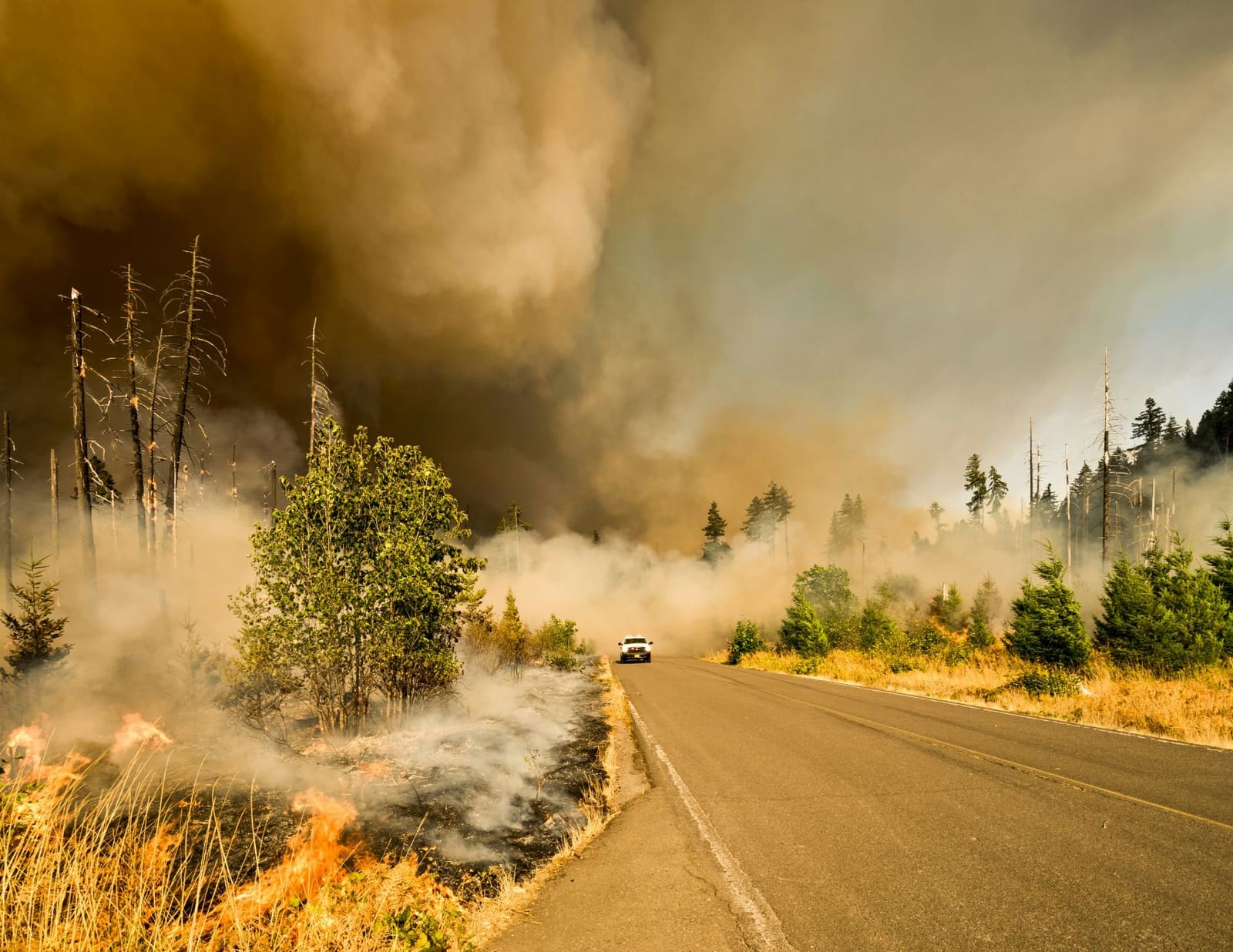
A Season of Flames
Southwestern France and central Spain are grappling with large-scale wildfires that have displaced tens of thousands of residents and prompted fresh travel advisories for visitors. The blazes, fueled by prolonged drought and high temperatures, have turned what is typically peak summer travel season into a period of uncertainty for both tourists and local communities.
The UK Foreign, Commonwealth & Development Office updated its guidance for both countries, urging travelers in affected areas to monitor local emergency services and follow evacuation orders. For France, the advisory notes a high wildfire risk between April and October, recommending that visitors confirm trip details with accommodation providers and local authorities before departure. In Spain, the guidance highlights ongoing fires in the Madrid and Ávila regions, instructing anyone in danger zones to call 112 for emergency assistance.
Spain's Largest Recorded Fire
Spain has declared a national emergency as firefighters work to contain multiple fronts. The fire at Burgohondo in Ávila province has consumed 43,000 hectares, making it the largest wildfire in Spanish history, according to national authorities. That blaze alone forced 40,000 people from their homes and continues to burn.
Around 24,000 residents in Toledo, Madrid, Ávila, and Castellón have been allowed to return, while another 20,000 have been released from lockdown. Yet Spanish Prime Minister Pedro Sánchez warned that the next 12 hours would be decisive in efforts to control the flames. A separate fire near Vall d'Uixó, northwest of Valencia, remains uncontained.
France Evacuates Coastal Zones
In France, authorities have cleared campsites, tourist lodgings, and some residential neighborhoods in Gironde, where fires are active around Saumos, Le Porge, and Lège-Cap-Ferret. To the north, in the Landes department, the surf town of Biscarrosse near the Bay of Arcachon is also threatened by advancing flames.
French officials caution that roads may close with little notice, limiting both access and evacuation routes. An information line operates from 9 a.m. to 5 p.m. at +33 (0)9 70 80 90 40, with callers selecting option 1 for Gironde or option 2 for Landes. Real-time wildfire tracking is available through the government's Feux de Forêt map.
The Insurance and Ethics Dilemma
As wildfires become more frequent across Europe, travelers face a difficult choice. When governments issue advisories short of outright Do Not Travel warnings, most travel insurance policies will not cover cancellations, leaving people to absorb the full cost of abandoned trips.
Some travelers opt to proceed, reasoning that tourism revenue supports communities already strained by disaster. That debate echoed through Hawaii after the deadly fires of August 2023, where residents and officials wrestled with the balance between economic need and recovery space.
In fire-affected areas of Spain, the consequences extend beyond immediate danger. Lucía Moya, mayor of Chapinería, told Telemadrid that many residents have lost homes and livelihoods, and that rebuilding will be a long process. Roads choked with tourist traffic can also delay emergency vehicles, a concern that grows more pressing as fire seasons lengthen and intensify across southern Europe.
What Travelers Should Know
Anyone planning travel to central Spain or southwestern France should check local fire maps and contact accommodation providers before departure. The French Feux de Forêt platform and Spain's emergency services offer near-real-time updates on active fires and closures.
For those already in affected regions, local authorities recommend keeping mobile devices charged, monitoring official channels, and preparing to evacuate at short notice. The 112 emergency number works across the European Union.
The broader question of whether to travel during active disasters remains personal, shaped by individual risk tolerance, financial constraints, and views on the role of tourism in recovery. What is clear is that the window for carefree summer travel in parts of France and Spain has narrowed, replaced by a season that demands more vigilance and flexibility than most visitors expect.