Fires Spread Across Multiple Countries
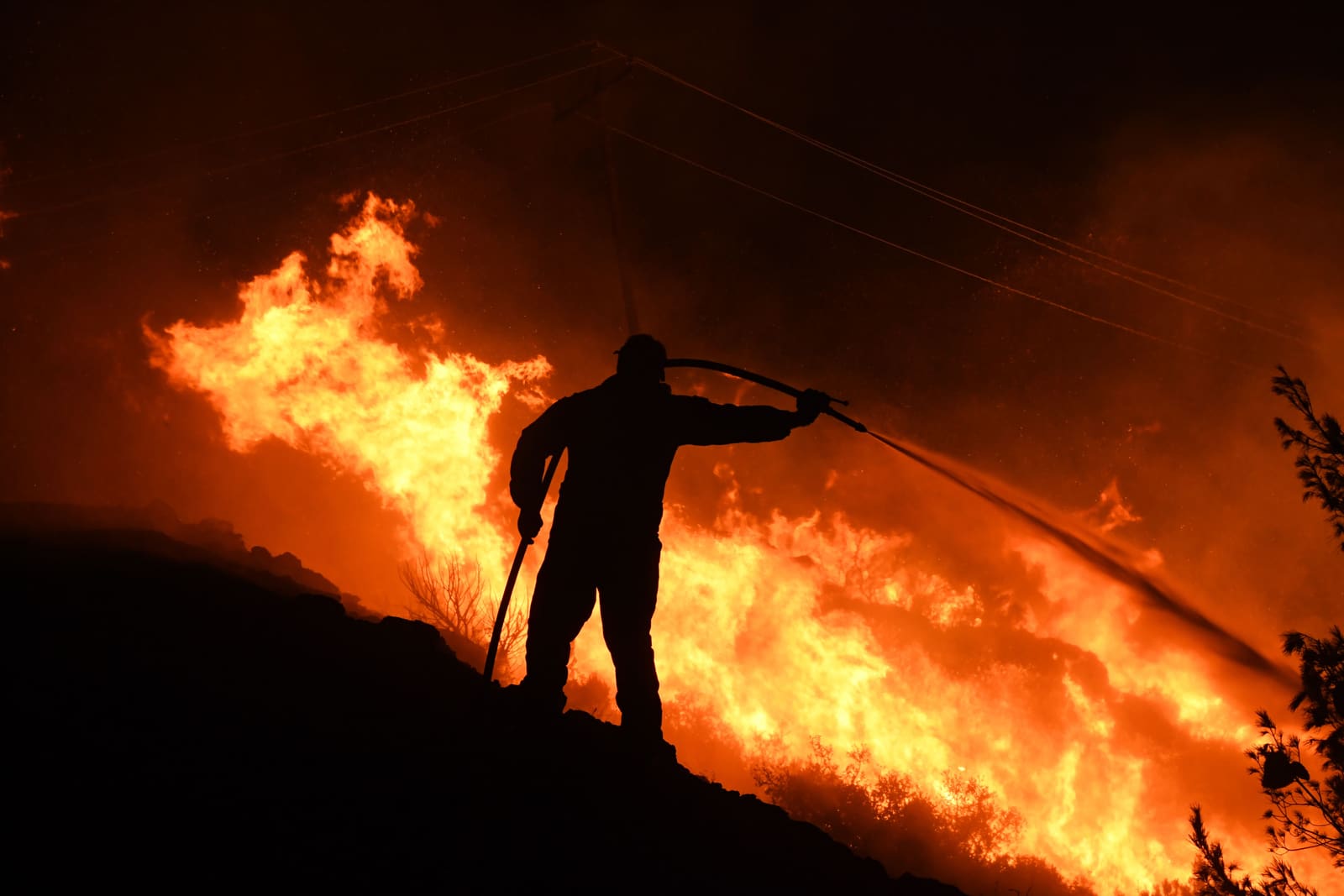
Summer 2026 has brought extreme heat to Europe, and with it, a wave of wildfires that have forced evacuations and disrupted travel in several popular destinations. Emergency services in Spain, France, Greece and even parts of the UK are battling blazes as drought conditions turn vegetation into tinder.
In France's Gironde region, fires have advanced toward Bordeaux, affecting an area roughly four times the size of Paris during peak holiday season. Tens of thousands of residents and travellers were evacuated, though many have since been allowed to return as of late July.
Spain has seen a major fire west of Madrid that authorities say is now largely contained, though it continues to burn in pockets. A smaller blaze near Valencia remains active. The interior ministry has declared much of northern Spain a red zone, signaling heightened risk for additional fires as temperatures remain elevated.
Greece has faced deadly consequences. Three firefighters died battling fires on Crete, the country's largest island. Blazes have also been reported on Paros and Lesbos in recent days.
Even the UK, not typically associated with wildfire risk, has seen firefighters deployed to Suffolk to tackle a blaze that destroyed trees and forced local evacuations.
What This Means for Travellers
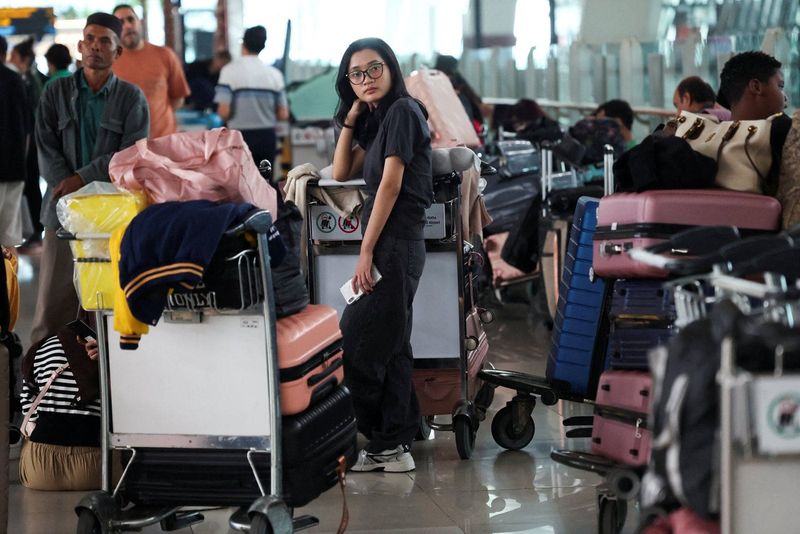
So far, there have been no widespread holiday cancellations tied directly to the fires. Airports in affected regions are largely operating as usual. But the situation remains fluid, and conditions can shift quickly.
The UK's Foreign, Commonwealth and Development Office updates its travel advice by country and region. Travellers should check those pages before departure to see if any official warnings have been issued for their destination.
For now, most advisories stop short of "do not travel" language, which means standard cancellation and refund policies remain in effect. If you booked a package holiday with ABTA or ATOL protection and your trip is cancelled by the provider due to wildfire disruption, you're entitled to a refund. The same applies to flights cancelled or delayed by more than three hours, provided the delay stems from circumstances beyond the airline's control.
But if you choose to cancel on your own and the FCDO has not issued a do-not-travel advisory, getting money back is unlikely. Travel insurance may cover some scenarios, but policies vary, so it's worth reading the fine print.
Tracking the Risk
The European Forest Fire Information System offers real-time maps and a wildfire risk viewer that flags areas by risk level: high, intermediate or low. It's a useful tool for anyone planning travel in southern Europe over the coming weeks.
The system draws on satellite data and ground reports to show active fires and forecast where conditions might worsen. Checking it a day or two before departure can help travellers avoid surprises.
A Broader Pattern
Wildfires in Europe are no longer rare summer events. They're becoming predictable, driven by rising temperatures and prolonged dry spells. The UK Health Security Agency noted in July 2026 that wildfires are now an expected part of the British summer, a shift attributed to climate change.
Most fires are sparked by human activity: an unattended barbecue, a cigarette tossed from a car window, glass left in dry grass that focuses sunlight. Drought conditions do the rest, turning small mistakes into large-scale emergencies.
Authorities across Europe are urging visitors to follow local guidance. That means no open fires in the countryside, using barbecues only in designated areas, disposing of cigarettes properly and taking all rubbish home. Glass bottles and mirrors can act as lenses in direct sun, so they're particularly risky to leave behind.
If you spot a fire, the advice is clear: move away, call emergency services, provide your location as precisely as possible using GPS coordinates or a mapping app, and wait in a safe spot. Do not try to fight the fire yourself.
What Comes Next
With much of southern Europe still under heat warnings, the wildfire season is far from over. Spain's red zone designation suggests officials expect more fires in the weeks ahead. Greece and France are similarly braced for continued risk.
For travellers, that doesn't necessarily mean avoiding the region altogether. It does mean staying alert, checking official sources regularly and being prepared to adjust plans if conditions deteriorate. The fires are a reminder that summer in southern Europe now comes with variables that didn't exist a decade ago.