A Park Built for Walkers
Acadia National Park, perched on the northeast edge of the United States in Maine, pulls in four million visitors each year. That figure places it among the busier units in the national park system, yet the 130 miles of hiking trails and 45 miles of carriage roads spread the load. More surprising: getting around without a hire car is both feasible and, by some accounts, less stressful than navigating the crowded car parks.
From May through October, the free Island Explorer shuttle runs 12 routes around Mount Desert Island seven days a week. The buses serve trailheads, beaches and the gateway town of Bar Harbor on a predictable timetable, sidestepping the scramble for parking at popular sites like Sand Beach. In a country where 92 per cent of households own at least one vehicle, the shuttle system is an outlier. For visitors flying into Bangor and catching the seasonal bus to Bar Harbor, the whole trip can be done without touching a steering wheel.
Cold Water and Hidden Coves
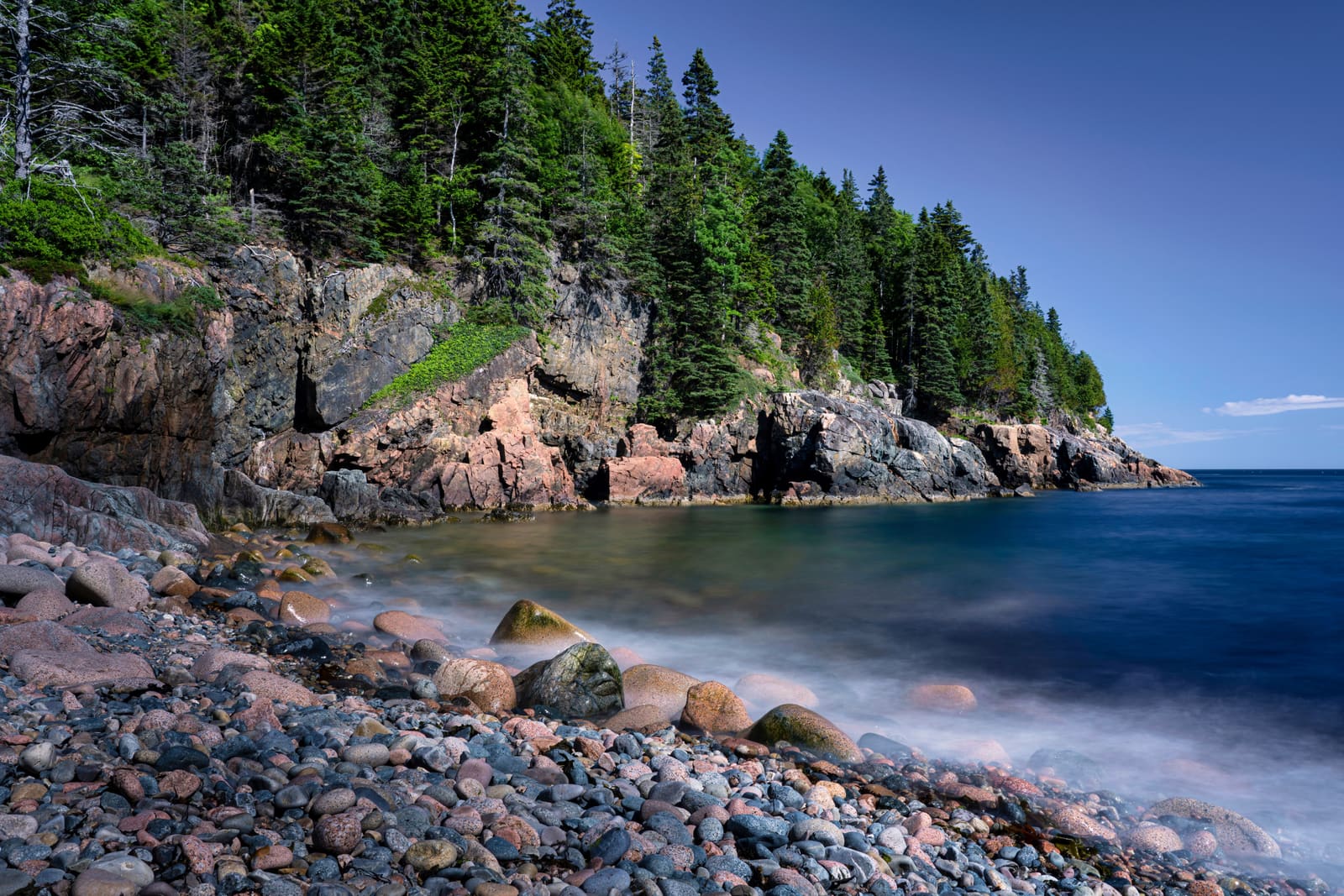
Wellness offerings have crept into the Acadia area in recent years. One example is saltwater immersion therapy, a polite term for plunging into the Atlantic when the water hovers between 10°C and 13°C. A handful of local guides know the less-travelled stretches of coastline and will lead small groups to secluded pebbled coves on the southern edge of the park.
The ritual involves breathing techniques before the dip, robes afterwards, and hot tea sipped on the beach. The experience leans more towards deliberate discomfort than spa pampering, but the draw is the setting. On a calm morning, with no other beachgoers in sight, the cold shock gives way to a peculiar calm. It is worth noting that these hidden coves exist precisely because they require a guide who knows unmarked trails; turning up alone with a map is unlikely to yield the same result.
Trails That Dodge the Crowds
Cadillac Mountain, the highest point on the eastern seaboard, is famous for sunrise views, and parking permits must be reserved well in advance. The Beehive Trail, with its metal rungs bolted into a narrow cliff face, often has queues. Both are popular for good reason, but neither is essential.
Jordan Pond, a glacially carved lake ringed by a flat loop trail, offers an easier walk with views of the Bubble Mountains. A detour from the loop climbs steeply to Bubble Rock, where the forest opens onto a panorama of the pond and, on clear days, the surrounding islands. The descent is trickier than the ascent; loose rock and tree roots demand attention.
For those willing to trade iconic landmarks for solitude, the Gorham Mountain trail runs close to the coast and sees far fewer boots. The views rival those of the busier routes, and encountering more than a handful of other walkers is unusual.
Bar Harbor as Base Camp
Bar Harbor, the main town on Mount Desert Island, functions as the logistical hub for park visits. The Village Green serves as the central departure point for shuttle buses. Main Street is heavy on souvenir shops, but the restaurant scene compensates. Lobster rolls and blueberry ale are the default pairing, and several spots execute both well.
The Barnacle serves oysters, McKay's Public House does a seafood risotto, and Side Street Café is known for lobster macaroni cheese followed by blueberry pie. Havana, a Latin-American restaurant, occupies the upscale end of the spectrum and displays a photograph of Barack and Michelle Obama's 2010 visit in the window. Reservations are advisable.
Tides, Islands and Wildlife
Bar Island sits just offshore and becomes accessible on foot during low tide, when a sandbar emerges for a narrow window of a few hours. The sandbar vanishes when the tide returns, and locals recount stories of tourists stranded on the island for nine hours or paying lobster boat operators for an expensive lift back to the mainland. Checking tide tables is not optional.
Despite the prevalence of moose-themed merchandise in Bar Harbor's shops, moose sightings in Acadia are rare. Wildlife is more reliably spotted on the water. Sailing trips on traditional schooners and kayaking excursions around the Porcupine Islands regularly turn up bald eagles, ospreys, grey seals and the occasional curious harbour seal pup.
Where to Sleep
Two accommodation styles serve different priorities. Terramor Outdoor Resort, open May through October, offers canvas tents equipped with proper beds, heating, double showers, electricity and WiFi. The resort has a pool, jacuzzi and a main lodge where dinner is served by the fire. Guided hikes and the saltwater immersion sessions cost extra. One restriction: outside food is not permitted, so cooking at the tent's fire pit is off the table. Breakfast is included, and the lack of light pollution makes for clear night skies. Prices start around £212 per night.
The Pathmaker Hotel in downtown Bar Harbor sits on a quiet side street two minutes from Main Street. Rooms are spacious, and the breakfast, included in the rate, is generous enough to carry guests through a morning hike without needing a packed lunch. Freshly baked biscuits appear at reception each afternoon, and hot drinks are available around the clock. Prices start around £113 per night.
Getting There
Bangor Airport, a short flight from New York and daily connections from Boston, Chicago O'Hare and Washington during peak season, is the nearest hub. Return flights from UK airports via US gateways start around £224. A seasonal bus runs from Bangor to Bar Harbor Monday to Friday from May to October; outside that window, local taxis or ride-hailing services cover the gap. Booking a return taxi in advance is recommended, as availability can be patchy.