A Different Tuscany
Most visitors to Tuscany arrive with a mental checklist: Florence's Duomo, Chianti vineyards, hilltop towns. The Oasi Dynamo nature reserve, tucked into the Apennine Mountains near San Marcello Piteglio, offers something harder to pin on an itinerary - silence.
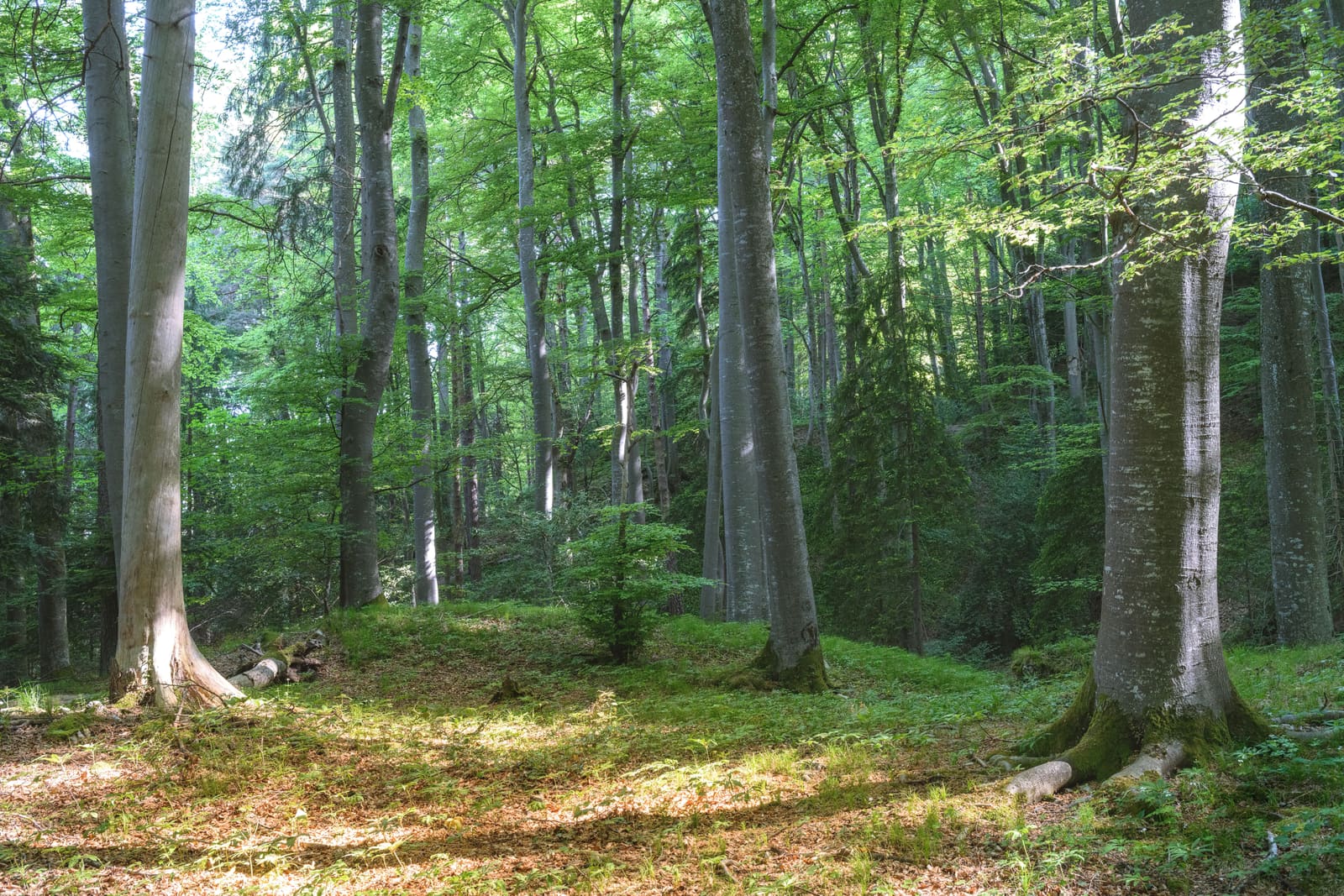
The 1,000-hectare reserve, Italy's first WWF-affiliated nature oasis, operates Oasyhotel from late March through October. The property's 17 wooden lodges sit scattered under beech trees, far enough apart that guests might go hours without seeing another person. There are no televisions except in a small basement cinema. Mobile signal is patchy. The loudest sounds are often birdsong and the occasional plane overhead.
Antonella Bua, the hotel's sales director, describes the quiet as a form of luxury. "Peace here is a privilege," she said during a walk through the reserve's contemporary art trail.
Forest Bathing Comes to the Apennines
For its 2026 season, the Oasi Dynamo introduced four dedicated forest bathing paths. The practice, known in Japan as Shinrin Yoku, was launched as a public health initiative by Japan's Ministry of Agriculture in 1982 to address urban stress and technology overload. Research since then has linked time spent in forests to lower cortisol levels and improved immune function.
At Oasyhotel, forest bathing sessions are led by therapist Lia Defilippi. One morning ritual involves body tapping - rhythmic, firm touches starting from the wrists, designed to stimulate circulation and lymphatic drainage. The technique requires focus: participants must maintain their balance, breathe steadily, and tap continuously without causing pain.
The sessions take place early, when the forest is still waking. Guests walk barefoot on dirt paths, pause to observe moss patterns, and spend minutes in silence listening to the rustle of leaves. For visitors accustomed to scrolling through screens before breakfast, the shift can feel jarring at first.
Art That Asks You to Stop
The Oasy Contemporary Art and Architecture Museum (OCA) runs a permanent trail of installations throughout the reserve. One piece, a collaboration between Italian architect Michele De Lucchi and poet Mariangela Gualtieri, invites visitors to lie flat on the forest floor and stare at the sky. The accompanying text reflects on the value of stopping, of stepping away from what the artists call "busybodying".
The installations are spread across the reserve's walking paths, which wind past San Vito Lake and through groves of yellow gorse. Guests are encouraged to move slowly, to sit on benches without checking the time, to notice the texture of bark and the way light filters through branches.
The approach is deliberate. While Florence, an hour south, sees crowds surge through the Uffizi and queue for gelato, the Oasi Dynamo limits its footprint. The hotel has no plans to build more cabins, keeping the number of guests low enough that the forest still feels remote.
Lodges Built for Looking Out
Each of Oasyhotel's lodges is constructed almost entirely from wood, with floor-to-ceiling windows and wide verandas. Two Adirondack-style chairs sit outside every cabin, positioned to face the valley. Doors open fully, blurring the line between indoor and outdoor space. Showers and toilets are stainless steel, functional rather than decorative.
The design is more alpine chalet than rustic shed, but the emphasis is on what lies beyond the walls. Guests spend mornings on their verandas with coffee, evenings watching the sunset from hilltop vantage points. The lack of televisions and the scarcity of wifi mean that entertainment is largely self-directed - reading, walking, or simply watching the weather change.
At breakfast, served communally, guests might discuss deer sightings or compare notes on which art installation surprised them. Otherwise, interaction is minimal. The isolation is part of the draw.
Wildlife and Foraged Menus
The reserve is home to multiple deer species, wild boar, and occasionally wolves, though sightings of the latter are rare. Guided night safaris with thermal imaging cameras offer the best chance, but even then, most visitors leave without spotting one.
The reserve's three restaurants - La Felci Restaurant, La Felci Bistrot, and Casa Luigi Farmhouse - use ingredients foraged from the Dynamo's gardens and orchards. Menus change with the seasons: stuffed ravioli in spring, fresh pomodoro pasta in summer, mushroom dishes in autumn. Meals are served without rushing; courses arrive slowly, and tables are spaced widely enough that conversations remain private.
The food is simple but precise, reflecting the broader ethos of the property. Nothing is overstated. Flavours are clean, portions are generous, and the wine list leans towards local producers from the surrounding hills.
The Challenge of Doing Less
For guests used to packing itineraries, the Oasi Dynamo can feel disorienting. There are no scheduled activities beyond the forest bathing sessions and guided nature walks. E-bikes are available to explore the reserve's trails, but there are no maps with suggested routes or estimated times. The assumption is that visitors will figure out their own pace.
Some find this liberating. Others struggle with the lack of structure, unsure how to fill hours without a plan. The absence of external noise - no traffic, no construction, no sirens - can make the internal noise louder. Thoughts that usually get drowned out by commutes and notifications have space to surface.
The digital detox is not enforced but is difficult to avoid. With weak mobile signal and no television, guests are left with books, conversations, or their own company. For those who resist it, the quiet can feel oppressive. For those who lean in, it can shift the rhythm of the stay entirely.
What Silence Teaches
By the final morning, routines shift. Instead of reaching for a phone, guests might open the cabin doors first, letting in the cool mountain air. Breakfast becomes slower. The impulse to check messages fades, replaced by an awareness of how light moves across the valley.
The change is subtle but noticeable. Conversations with guides become less about filling silence and more about observation. Walks through the forest feel less like exercise and more like attention practice. The deer, which bark loudly when startled, no longer seem like an interruption but part of the soundscape.
The Oasi Dynamo does not advertise itself as a wellness retreat, but the effect is similar. Guests leave quieter, more deliberate, often surprised by how quickly they adapted to the slower pace. The challenge is carrying that rhythm back into cities where silence is rare and stillness is suspect.
Rates at Oasyhotel start from €600 (£517) per night, including daily breakfast and complimentary e-bike hire. The reserve is accessible by car from Florence, roughly an hour and a half north into the Apennines.