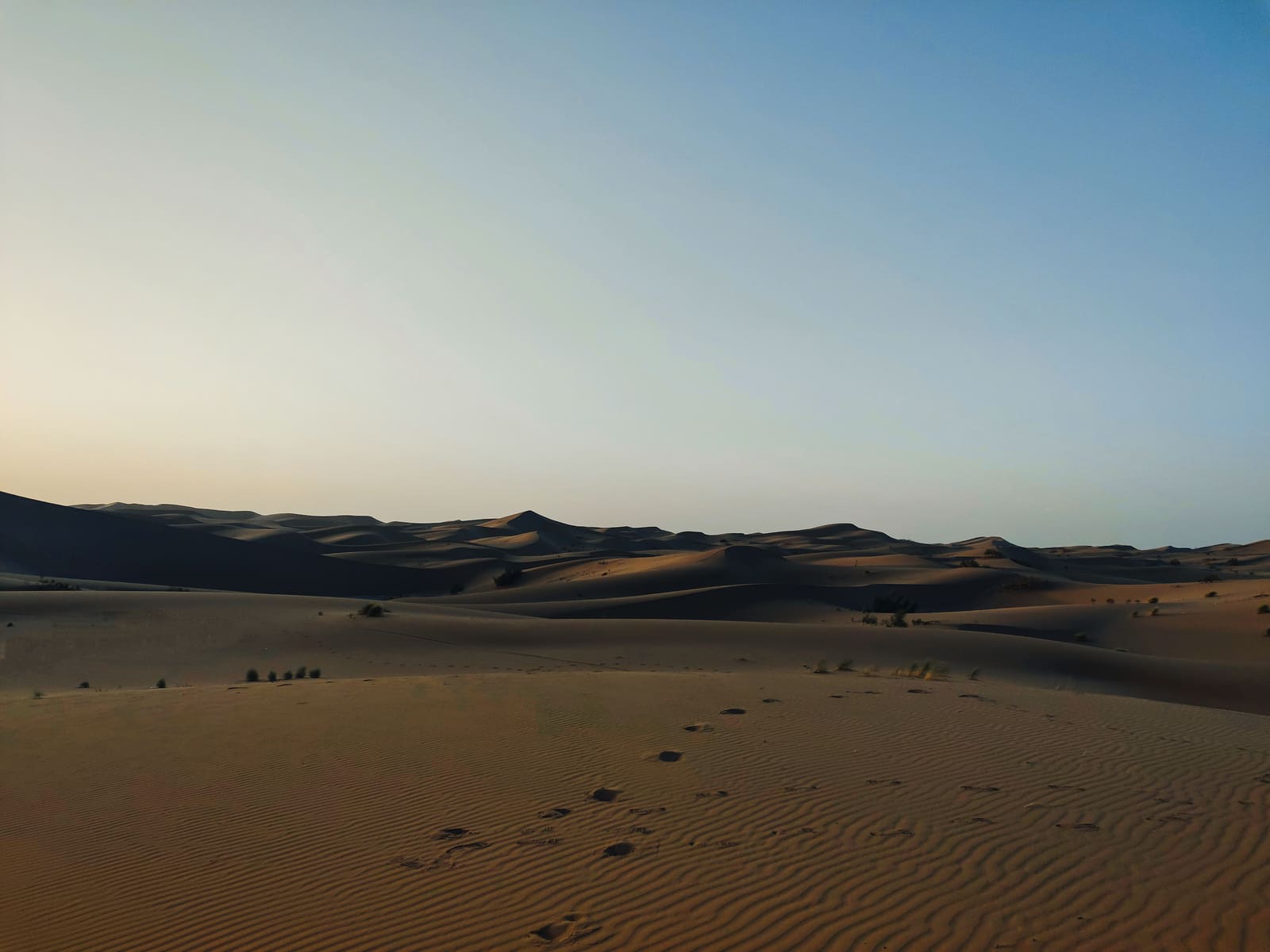
A Shift Away From Water
Wellness travel has long gravitated towards coastlines and lakesides. Yet a growing number of travellers now head inland, choosing aridity over waves. The shift reflects a search for something harder to find near populated shores: genuine quiet, uninterrupted darkness and room to think.
Desert properties in Arizona, Utah and California report stronger bookings for spa-focused stays, particularly outside peak summer heat. The appeal lies not in what these places add, but in what they strip away. No crowds jostling for sunset photos. No hum of jet skis. Just geology, sky and the occasional rustle of wind through creosote.
Indigenous groups across the American Southwest have used desert springs and mineral-rich clay for centuries. Contemporary resorts build on that history, incorporating local plants and thermal waters into treatments without the gloss of invented tradition.
What Makes Desert Wellness Different
Temperature swings between day and night can exceed 20 degrees Celsius, prompting the body to adjust and recalibrate. Dry air clears sinuses and eases breathing. Low humidity means sweat evaporates quickly, making outdoor movement comfortable even under sun.
Darkness matters, too. Light pollution erases stars in most urban areas, but desert skies still offer the Milky Way in full. Some properties schedule stargazing as part of evening programming, framing it as sensory reset rather than astronomy lesson.
The term "beige therapy" has emerged to describe this approach. Where blue therapy centres on water's calming effect, beige therapy leans into earth tones, open horizons and the absence of visual clutter. It is less about doing and more about noticing.
Architectural choices reflect that philosophy. Buildings sit low, echo the colour of surrounding rock and use shadow to define space. Glass walls frame views without competing with them. The goal is immersion, not insulation.
Eight Properties Worth Considering
Four Seasons Resort Scottsdale at Troon North
Adobe casitas nestle into the Sonoran foothills, designed to mirror the terrain rather than dominate it. Treatments draw on jojoba, prickly pear and palo verde, all native to the region. One signature option uses warmed cactus gel from prickly pear paddles, applied during massage to soothe muscles.
Outdoor pavilions for couples sit among saguaro cacti. At dusk, the sky shifts through shades of amber and violet, and the silence is near total. Best visited between October and May, when wildflowers bloom and trails become walkable without pre-dawn starts.
Amangiri
Carved into red rock near the Utah-Arizona border, Amangiri works with existing geological formations rather than bulldozing them. The pool, now widely photographed, sits within a natural rock amphitheatre. Spa offerings include bentonite clay sourced locally, Ayurvedic sessions and a water pavilion with plunge pools.
One unusual option: helicopter yoga atop Tower Butte, a flat-topped mesa 1,500 metres above the valley floor. The vitality pool overlooks sedimentary layers deposited 180 million years ago, a reminder of scale and time. April, May, September and October offer the best light for photography and the mildest conditions for hiking.
Two Bunch Palms
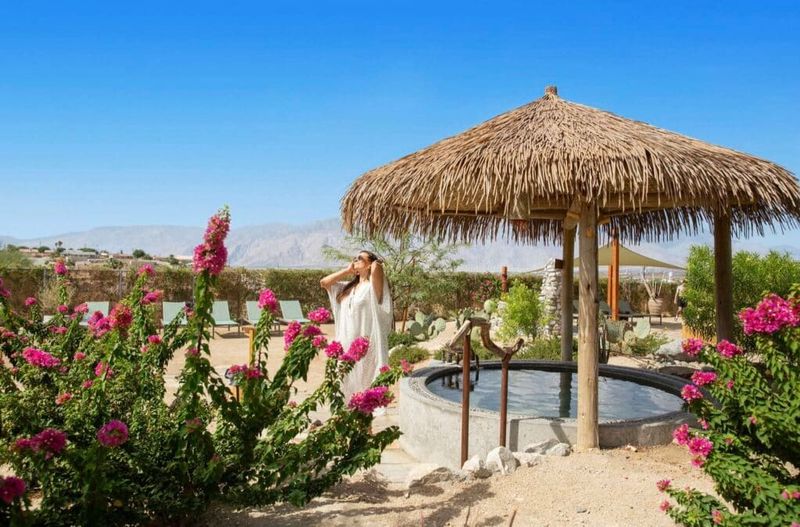
North of Palm Springs, this property centres on geothermal springs that have bubbled up for six centuries. The mineral content ranks among the highest in North America, rich in calcium, magnesium and trace elements. Guests soak in outdoor pools, often at night when stars are sharpest.
Programming leans bohemian: energy work, sound baths, long stretches of unscheduled time. The vibe is intentionally unhurried. November through March brings cooler air, ideal for alternating between hot pools and crisp desert evenings.
Enchantment Resort
Boynton Canyon in Sedona provides the backdrop, with red rock walls rising on three sides. The on-site spa at Mii amo incorporates local clay and references the area's reputation for vortex energy, though the treatments stand on their own merits regardless of metaphysical belief.
Hiking trails lead directly from the property. After dark, the canyon becomes a natural observatory. March through May and September through November avoid both summer heat and winter chill, with light that turns rock faces orange and crimson.
Sanctuary Camelback Mountain Resort & Spa
Perched on Camelback Mountain's northern slope, Sanctuary blends desert surroundings with Asian wellness elements. A meditation garden overlooks the valley, and a reflection pond anchors the spa courtyard. The outdoor lap pool runs 25 metres, long enough for serious swimmers but serene enough for floating.
Treatments combine desert botanicals with techniques borrowed from Bali and Thailand. October through April offers the widest weather window, warm enough for poolside lounging but cool enough for midday hikes.
L'Auberge de Sedona
Unlike most Sedona properties that emphasise red rock vistas, L'Auberge sits beside Oak Creek, where cottonwoods and sycamores provide shade. Treatments use juniper oil and red clay, and the sound of running water becomes part of the sensory experience.
Creekside massage tables let guests listen to the current while therapists work. April, May, September and October bring the creek to its fullest flow, and temperatures hover in the comfortable range for both indoor and outdoor activities.
Parker Palm Springs
Jonathan Adler's interior design leans playful, with bold patterns and nautical touches in the spa despite being hours from any ocean. Treatments include oxygen facials, seaweed wraps and Ayurvedic-inspired bodywork. The indoor pool nods to mid-century Palm Springs, complete with retro tilework.
The aesthetic is quirky, but the wellness programming is serious. November through March delivers classic desert weather: warm days, cool nights and reliably blue skies.
Tommy Bahama Miramonte Resort & Spa
Set in the Coachella Valley, Miramonte pairs Mediterranean design with desert plants. Citrus groves and date palms soften the landscape, while the spa incorporates regional ingredients into facials and massage. An open-air saltwater pool faces the Santa Rosa Mountains, offering a quiet spot to decompress after treatments.
October through April marks the best visiting window, when temperatures moderate and wildflowers begin their spring showing.
What to Expect
Desert wellness properties vary widely in tone. Some lean minimal and meditative; others embrace colour and whimsy. What they share is a willingness to let the landscape shape the experience.
Expect early mornings and long evenings. Midday heat in warmer months pushes activity to the margins of the day, which suits the pace of spa-focused travel. Meals often feature ingredients that thrive in arid climates: dates, citrus, cactus fruit, native herbs.
Stargazing, whether guided or solo, appears on many itineraries. The absence of artificial light reveals constellations obscured in most places people live. Some properties offer telescopes; others simply provide blankets and a place to lie down.
Hiking trails range from flat, accessible paths to steep scrambles. Guides can point out petroglyphs, identify plants used in traditional medicine and explain how geology shaped the terrain. The point is not to cover distance but to notice details.
Why It Works
Desert environments demand adjustment. The dryness, the temperature swings, the unfiltered sun all require the body to respond. That recalibration can feel restorative, a biological reminder that adaptation is possible.
Silence, too, has physiological effects. Studies suggest that extended quiet lowers cortisol, slows heart rate and improves focus. In a desert setting, silence is not manufactured but inherent. You hear your own footsteps, your breathing, the occasional bird.
The lack of visual noise matters as well. Flat horizons and monochrome palettes reduce sensory input, which some researchers link to lower stress and improved mood. The effect is not universal, but for those accustomed to crowded, colourful environments, the contrast can be striking.
Planning a Visit
Most desert spa properties see peak demand between October and April, when daytime temperatures stay below 30 degrees Celsius. Summer months bring heat that confines activity to early morning and evening, though rates drop and crowds thin.
Book spa treatments in advance, especially during high season. Popular time slots fill weeks ahead. If stargazing matters, check the lunar calendar; new-moon periods offer the darkest skies.
Pack layers. Even in warm months, evenings cool quickly. Sunscreen, a wide-brimmed hat and reusable water bottles are non-negotiable. Closed-toe shoes with grip help on rocky trails.
Ask about programming before arrival. Some resorts offer guided meditation, sound healing or talks on desert ecology. Others leave schedules open, assuming guests prefer unstructured time.
Desert wellness is not for everyone. Those who crave constant stimulation or prefer lush, green surroundings may find the landscape austere. But for travellers seeking space to think, silence to hear themselves and skies that reveal stars, the desert delivers what few other places can.