The Podium Shift
Sardinia has claimed second place in a European island ranking, with Greece's Hydra taking the top position for 2026. The Mediterranean competition saw Greece place seven islands in the list, including Naxos in third place after holding the lead the previous year. Italy secured two spots, with Sicily rounding out the top five.
The car-free island of Hydra, situated near Athens, overtook last year's winner through its combination of accessibility and tranquillity. Other Greek entries included Sifnos, Paros, Santorini, Mykonos, and Crete.
Beyond the Yacht Harbours
Sardinia's recognition reflects a broader understanding of the island that extends past its well-known luxury enclaves. The Costa Smeralda and Porto Cervo have long attracted wealthy visitors, functioning as Italy's equivalent to France's St Tropez. Yet the island spans 24,090 square kilometres of varied terrain, much of it untouched by resort development.
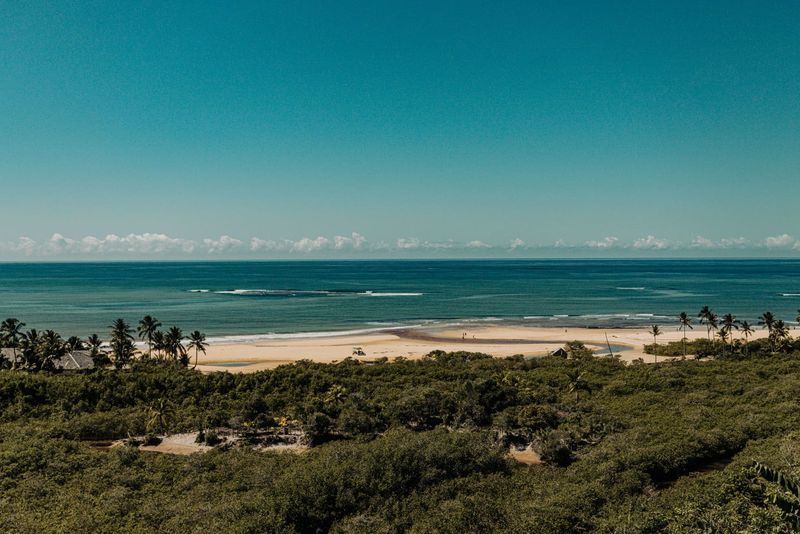
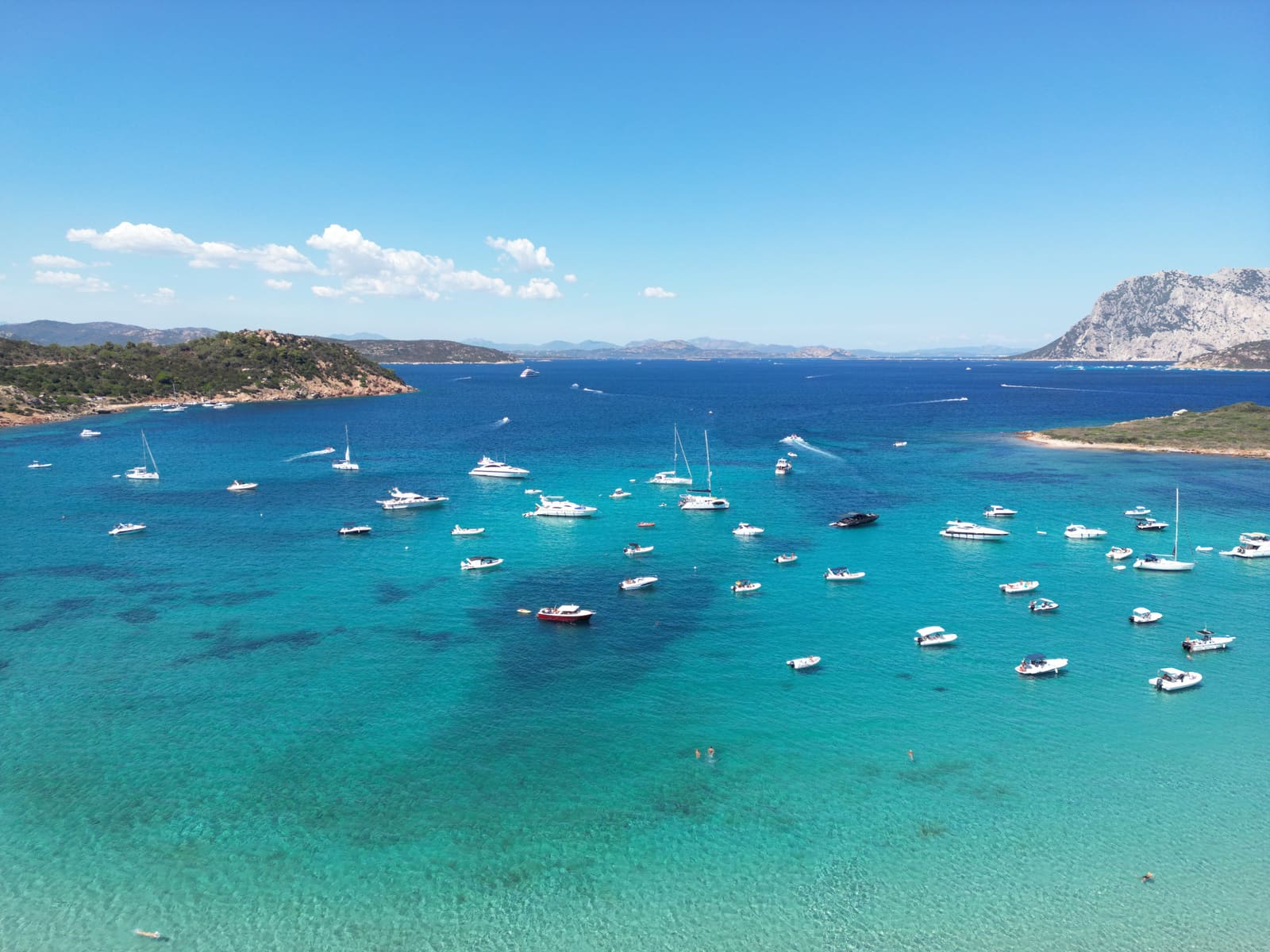
The Gulf of Orosei offers a string of coves accessible by boat or hiking trails. Su Gorropu, one of Europe's deepest canyons, draws trekkers and climbers to its limestone walls. San Teodoro's beaches stretch along the northeast coast, where white sand meets shallow turquoise water. The island sits within a recognised Blue Zone, regions where residents demonstrate unusual longevity linked to diet and lifestyle patterns.
Archaeological sites across Sardinia include thousands of nuraghi, Bronze Age stone towers unique to the island. The cuisine relies on ingredients shaped by pastoral traditions: pecorino cheese, pane carasau flatbread, and porceddu roast suckling pig.
The Inland Route
Budget airlines have made Sardinia more accessible in recent years, though the island's interior remains less visited than its coastline. Inland villages preserve customs that differ markedly from mainland Italian culture. Santu Lussurgiu, a medieval settlement, sits on volcanic slopes in the Montiferru region. Mamoiada, in the central highlands, hosts the Mamuthones ritual during winter carnival season.
The Mamuthones are masked figures wearing heavy cowbells and sheepskins, their origins debated among historians but potentially pre-Christian. The festival of Sant'Antonio Abate in January marks the start of carnival celebrations that continue through February. Witnessing the procession requires timing a visit outside the conventional beach season, when accommodation prices drop and crowds thin.
Seasonal Windows
Sardinia's Mediterranean climate allows for beach visits from May through October. Spring and autumn offer calmer seas and fewer tourists at coves that become congested in July and August. Cala Coticcio, on the Maddalena archipelago's Spargi island, requires a boat trip but rewards visitors with granite rock formations and clear water. Cala Spinosa lies near the northern tip at Capo Testa, accessible by a short walk from parking areas. Cala Mariolu, along the central-eastern coast, sits beneath limestone cliffs and can be reached by boat from Arbatax or Cala Gonone.
Water temperatures peak at 25 degrees Celsius in August but remain swimmable through September. Winter months see the island's character shift entirely, with focus moving to mountain villages, cork oak forests, and traditional food festivals.
The Comparison Question
The ranking places Sardinia ahead of other Mediterranean contenders but behind Hydra, an island roughly 50 square kilometres in size with a permanent population under 2,000. The comparison highlights different travel priorities. Hydra's appeal lies in its compact scale and car ban, which preserves a specific atmosphere. Sardinia requires more time to explore and offers less uniformity.
Sicily's fifth-place finish suggests voters responded to scale and variety, though smaller Sicilian satellites like Favignana, Filicudi, and Alicudi remain outside the mainstream travel conversation. These islands, part of the Aeolian and Egadi archipelagos, attract visitors seeking isolation and volcanic landscapes but lack the infrastructure that makes larger destinations easier to navigate.
What the Numbers Reflect
Reader rankings measure sentiment rather than objective criteria, capturing which destinations resonated with travellers during a specific period. Greece's dominance in the list correlates with increased flight connections and social media visibility over the past five years. Italy's two entries reflect strong performance despite competition from Spanish islands, which have historically drawn northern European tourists in large numbers.
Sardinia's position suggests growing interest in destinations that balance accessibility with authenticity. The island has managed to expand tourism without erasing regional identity, maintaining linguistic distinctiveness and culinary traditions that feel separate from the Italian mainland. Whether that balance holds as visitor numbers grow remains an open question.