The Vibrating Bed Experiment
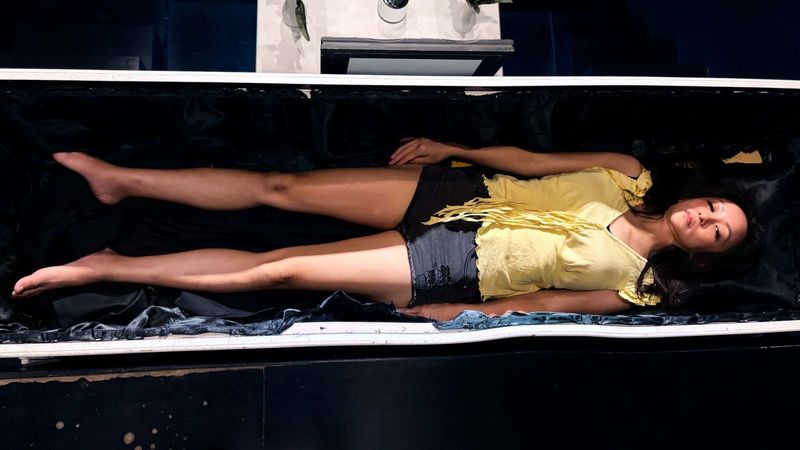
The treatment bed hums beneath your back, filled with water and lit from within. Noise-canceling headphones pipe in what the therapist calls quantum harmonics - tinkling, psychedelic sounds that feel strange until they don't. A weighted blanket settles over you. Five minutes later, you're gone.
This is the Sleep Wave Table at Equinox Hotel New York, part of a two-night program designed to rewire how you rest. For someone who typically wakes three times a night, the 30-minute session delivers something close to magic: the sensation of having slept for hours. Pair it with a NutriSLEEP IV drip - magnesium, amino acids, and other relaxation agents pumped into your arm for 60 minutes - and drowsiness arrives like a prescription.
The setup is clinical, expensive, and surprisingly effective. On night two, seven hours of uninterrupted sleep knock out jet lag just 48 hours into a transatlantic trip. The cost? $1,700 per night for the room alone, treatments extra.
Why New York Hotels Are Selling Sleep
New York has never been a restful city. Sirens, honking, construction noise - the soundtrack is part of the appeal, until you need to sleep through it. Yet over the past few years, a handful of hotels have turned that challenge into a selling point, packaging sleep as a luxury product.
The trend grew out of broader wellness travel in the late 2010s, gaining traction in the early 2020s as brands like Six Senses began designing entire properties around circadian rhythms and recovery. Now, hotels in Manhattan are layering in high-tech bedding, IV therapy menus, and Ayurvedic treatments, betting that exhausted travelers will pay a premium to rest well.
It's not unique to New York, but the city's relentless energy makes it a compelling test case. If you can sleep here, the logic goes, you can sleep anywhere.
The Sleep Lab at Equinox
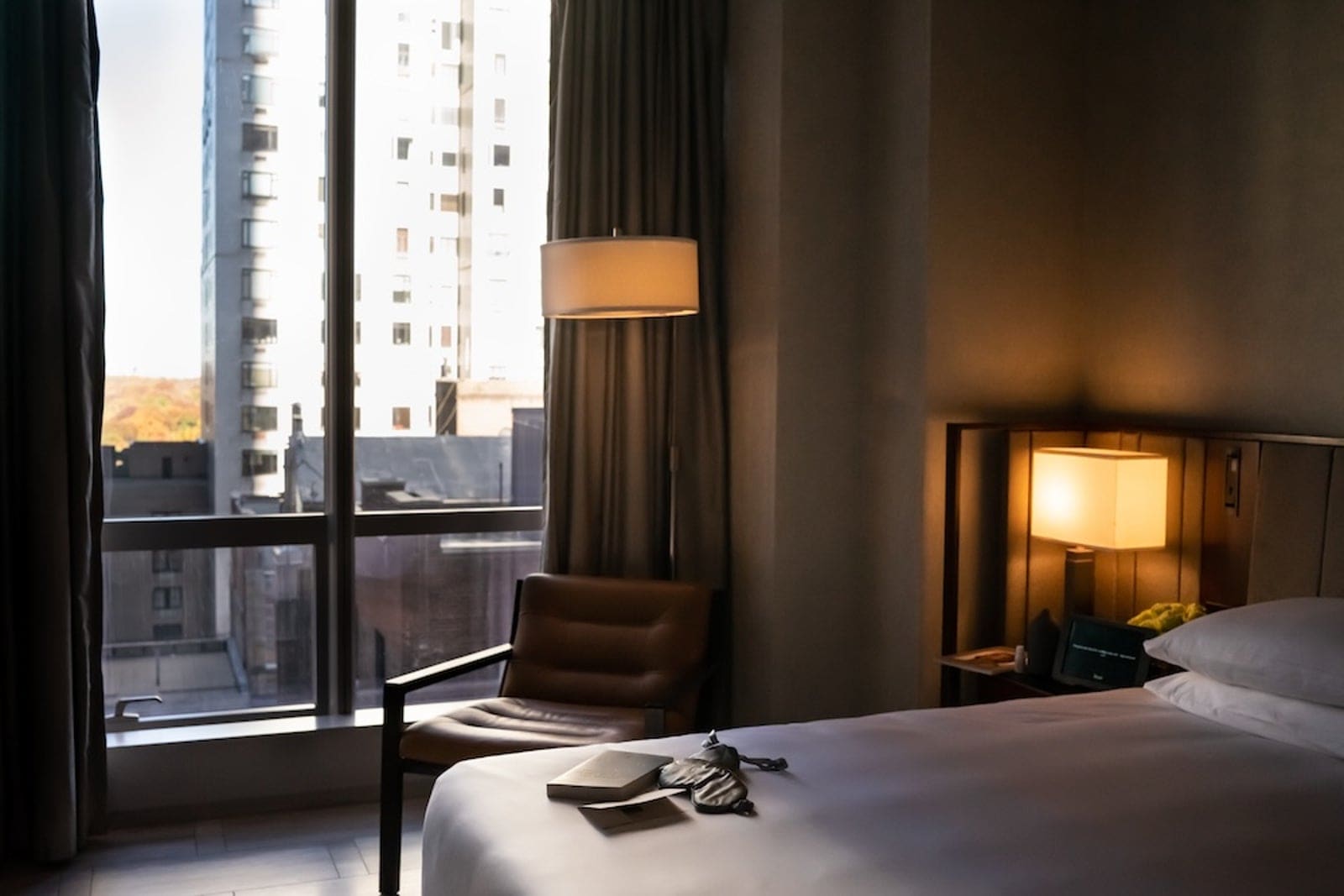
The room is a cream-toned sanctuary overlooking Hudson Yards. Floor-to-ceiling double-glazed windows block street noise. Blackout curtains seal out light. The bed adjusts its temperature, and you control everything - wake time, ambient sound, lighting schedules - via a bedside tablet and your phone.
A mini pharmacy sits in the "RoomBar": vitamins, electrolytes, magnesium patches, energy shots. The in-room dining menu includes bone broth, rich in glycine, which supposedly promotes relaxation. At sunset, you sip it on a low-slung velour sofa while the room begins its automated shutdown sequence. Lights dim. Drapes close. You slap on a magnesium patch and slide into bed as the system syncs with your preset preferences.
The routine feels like boot camp. Morning starts with a Nespresso, a session in the hotel's sprawling gym, a steam shower infused with lavender and frankincense, and a breakfast smoothie laced with ashwagandha. By day two, it's the healthiest start to any New York trip on record - also the most regimented.
The Pillow Menu at Benjamin Royal Sonesta
After the high-tech intensity of Equinox, the four-star Benjamin Royal Sonesta in Midtown East offers a simpler pitch: a 10-pillow menu tailored to how you sleep. Front, side, or back. Soft, firm, cooling, contouring.
The Cooling Cloud 10 and Satin Beauty arrive based on name appeal alone. A white-noise machine drowns out most of the sirens, though a few still break through. The "rest and renew" program costs $449 per night, a fraction of Equinox's rate, and includes options for children. It's lower-key, less clinical, and still effective enough to keep energy levels steady two days in.
The AI Mattress at Park Hyatt
The Bryte bed is the star attraction in the Sleep Suite at Park Hyatt, facing Central Park. The mattress is embedded with sensors that detect movement and adjust firmness in real time, shifting as you shift to keep you asleep. You control it via a phone portal, tweaking softness levels, reviewing sleep reports, and setting a wake-up vibration instead of an alarm.
It's the most comfortable bed in the test, delivering two uninterrupted nights. One morning, a technical glitch extends the lie-in by an hour - fortunate timing, given no hard commitments. The AI element feels less gimmicky than expected, more like a mattress that finally pays attention. Rooms start at $1,500 per night.
The Oil-Drip Treatment at Peninsula New York
The Peninsula sits on Fifth Avenue, away from the tourist crush. Flexible check-in and check-out times ease the usual hotel pressure. The highlight is a two-hour Ayurveda-based Sleep Support Therapy, designed to reset circadian rhythms and combat insomnia.
After a foot soak, you lie on a heated table for a full-body massage targeting pressure points tied to energy flow. The final stage is Shirodhara: warm oil dripped slowly onto your forehead from a copper vessel suspended above. Most clients don't remember the end of the session, the therapist says. True to form, consciousness fades within minutes.
Waking up feels like surfacing from deep water. Your body is heavy, glued to the table. The $635 price tag is steep, but the treatment delivers the deepest relaxation of the trip - 22 floors above a city that refuses to stop moving.
What Works and What Doesn't
Technology helps. Double glazing, blackout systems, and AI-powered mattresses make a measurable difference in a noisy city. So do structured routines: controlled lighting, pre-sleep rituals, and elimination of decision fatigue around bedtime.
But the real shift comes from permission. Hotels that build flexibility into check-in times, offer in-room wellness menus, and treat sleep as a serious priority remove the pressure that often keeps travelers awake. You're not fighting the city's rhythm; you're opting out of it temporarily, with institutional support.
The downside is cost. Accessible sleep tourism remains rare. Equinox and Park Hyatt price out most travelers, and even the mid-tier Benjamin option runs $449 per night. The treatments - IV drips, specialty massages, quantum-harmonic tables - add hundreds more. For chronic insomniacs or executives on tight schedules, the expense may pencil out. For everyone else, it's aspirational.
The Morning After
By the end of the week, jet lag is gone. Energy is stable. The usual overtired haze that accompanies New York trips has lifted. Whether that's due to the Bryte bed, the Shirodhara oil, or simply paying $1,700 to prioritize rest is hard to say.
What's clear is that sleep, once a basic need bundled into the cost of a hotel room, has become its own category of luxury travel. New York hotels are betting that enough people will pay for it - and in a city that never sleeps, they might be right.